
Tag: Behaviour

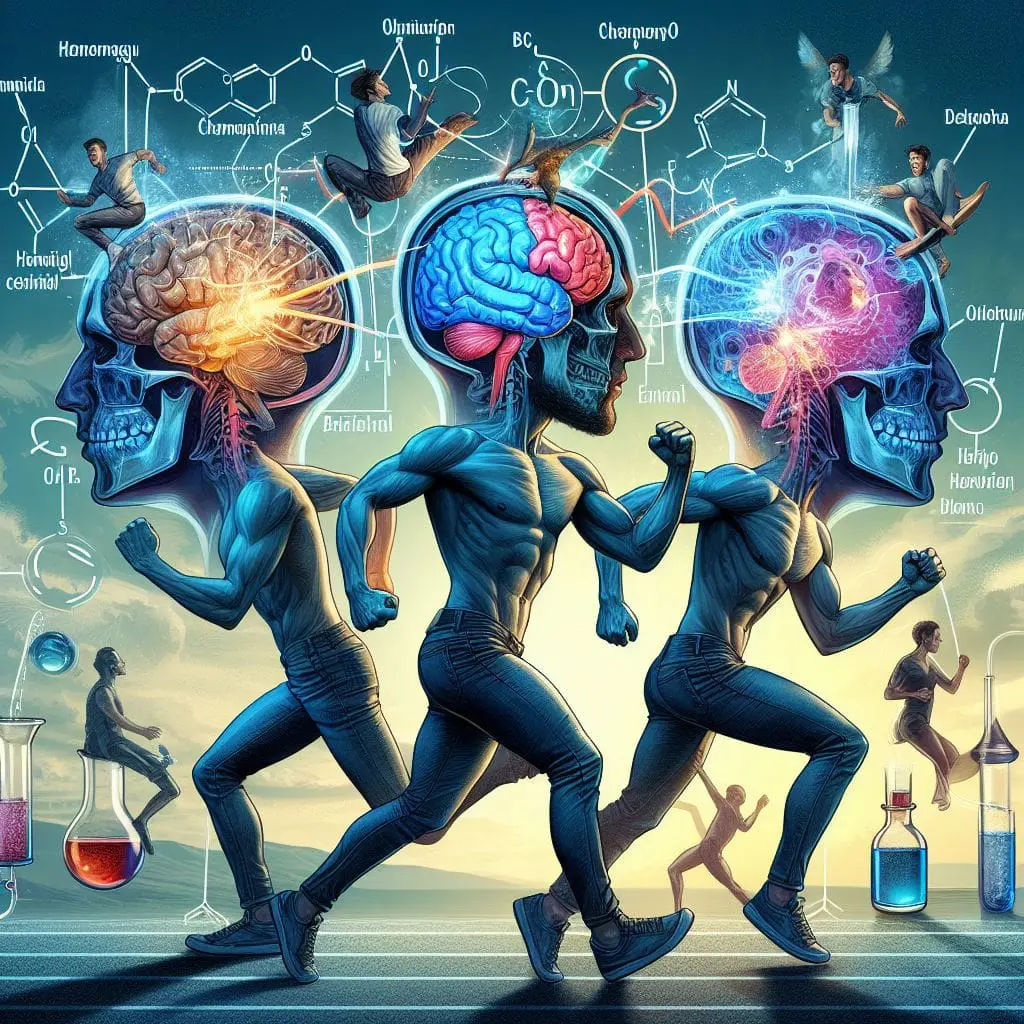
  • Social Chemistry: Exploring the Link Between Hormones and Behaviour

    Social Chemistry: Exploring the Link Between Hormones and Behaviour

    Advertisements

    One of the key hormones that influences our social behaviour is oxytocin, often referred to as the “love hormone.” Oxytocin is released during social bonding activities such as hugging, kissing, and even breastfeeding. It promotes feelings of trust and emotional connection, making us more inclined to form and maintain social relationships.

    On the other hand, testosterone is known for its role in aggression and dominance. Higher levels of testosterone have been associated with more competitive and assertive behaviour, as well as increased aggression towards others. This hormone can influence social hierarchies and the dynamics of power within social groups.

    Another important hormone that influences social behaviour is serotonin. Serotonin is often referred to as the “feel-good” hormone, and it plays a key role in regulating mood and social behaviours such as cooperation and empathy. Low levels of serotonin have been linked to increased aggression and impulsive behaviour, while higher levels are associated with better social interactions and emotional stability.

    It is important to note that hormones do not act in isolation when it comes to social behaviour. They interact with each other and with external factors such as environment, upbringing, and personal experiences to shape how we behave in social situations. For example, a person with high levels of testosterone may still exhibit prosocial behaviour if they have a strong sense of empathy and have learned positive social skills.

    Understanding the role of hormones in social behaviour can help us make sense of our own actions and interactions with others. By recognising how our hormones influence our thoughts, feelings, and behaviours, we can better navigate social situations and cultivate more fulfilling relationships. So next time you find yourself in a social setting, remember that your hormones may be playing a significant role in how you respond and interact with others.


  • The Social Cognitive Theory Perspective: Understanding Behaviour

    The Social Cognitive Theory Perspective: Understanding Behaviour

    Advertisements

    One of the key concepts of Social Cognitive Theory is that people are not just passive observers in their environment, but rather active agents who actively engage with their surroundings. Bandura argued that individuals are not simply shaped by their environment, but also play an active role in shaping their own behaviour through self-regulation and self-control.

    According to Social Cognitive Theory, learning occurs through a process of observational learning, where individuals watch and imitate the behaviours of others. Bandura identified several key factors that influence observational learning, including attention, retention, reproduction, and motivation. For example, individuals are more likely to imitate a behaviour if they pay attention to it, remember it, are able to reproduce it, and are motivated to do so.

    Furthermore, Social Cognitive Theory emphasises the role of reinforcement in shaping behaviour. Individuals are more likely to repeat a behaviour if they are rewarded for it and less likely to repeat it if they are punished. This concept highlights the importance of positive reinforcement in promoting desirable behaviours and discouraging undesirable ones.

    Social Cognitive Theory has been widely applied in various fields, including education, psychology, and marketing. In education, teachers can use observational learning to model desired behaviours for students and provide positive reinforcement to encourage those behaviours. In psychology, therapists can help clients change their behaviour by helping them develop self-regulation and self-control skills. In marketing, advertisers can use observational learning to influence consumer behaviour by showing positive outcomes associated with certain products or services.

    Overall, Social Cognitive Theory provides a comprehensive framework for understanding how individuals learn and change their behaviour. By acknowledging the role of observation, imitation, and reinforcement in shaping behaviour, this theory offers valuable insights into how people acquire new skills, beliefs, and attitudes. It is an important tool for educators, therapists, marketers, and others who seek to promote positive behaviour change and enhance learning experiences.

  • The Interpolation of Unconscious Acts: Exploring the Depths of Human Behaviour

    The Interpolation of Unconscious Acts: Exploring the Depths of Human Behaviour

    Advertisements

    To understand the concept of unconscious acts, we first need to delve into the workings of our mind. Our conscious mind, the part we identify with most often, is responsible for our voluntary actions, thoughts, and decisions. However, underneath the surface lies our vast unconscious mind , where our emotions, desires, memories, and instincts reside. It is this unconscious realm that plays a crucial role in the interpolation of unconscious acts.

    One of the fundamental principles guiding this exploration is Sigmund Freud’s groundbreaking psychoanalytic theory. Freud proposed that our unconscious mind holds repressed thoughts, emotions, and desires that influence our conscious behaviour. According to him, our unconscious acts are expressions of these hidden elements seeking some outlet in the external world. They are like whispers from the depths, subtly guiding our actions in ways we are often unaware of.

    An example of an unconscious act can be seen in the creative process. Artists often describe moments of pure inspiration, where their ideas seem to appear out of thin air, bypassing conscious thought. The painter strokes the canvas, the writer pens a profound line, or the musician creates a melody seemingly from nowhere. These instances highlight the interpolation of unconscious acts, as if the creative force within had taken over momentarily, guiding their artistic expression.

    The implications of unconscious acts extend beyond the realms of artistry. In our daily lives, we may find ourselves acting on impulses, making snap decisions, or experiencing sudden bursts of emotions that seem to originate from nowhere. These unconscious acts can be influenced by our past experiences, beliefs, cultural conditioning, and even our evolutionary instincts. Understanding their origin and influence can provide valuable insights into our motivations and behaviours.

    While the interpolation of unconscious acts may seem mysterious, it is not completely beyond comprehension. Techniques such as dream analysis, hypnosis, and mindfulness meditation have been employed to delve deeper into the unconscious mind and shed light on our hidden desires and motivations. These practices offer glimpses into the subtle interplay between our conscious and unconscious selves, revealing the intricate tapestry of human behaviour.

    In conclusion, the interpolation of unconscious acts is a captivating phenomenon that invites us to explore the depths of our psyche. By acknowledging and understanding the power of our unconscious mind, we can gain a deeper awareness of our motivations, desires, and behaviours. Whether in creative pursuits or daily life, we can find value in recognising the whispers from our unconscious and welcoming them as valuable contributors to our conscious experiences. So, next time you find yourself acting on an impulse or being struck by a moment of inspiration, pause and appreciate the intriguing dance between your conscious and unconscious selves.

    Advertisements
  • The Psychology of Punishment: Understanding its Impact on Behaviour

    The Psychology of Punishment: Understanding its Impact on Behaviour

    Advertisements

    Understanding Punishment

    Punishment is an age-old concept that serves as a disciplinary tool in various settings, such as schools, workplaces, and even in our personal relationships. Its primary aim is to discourage undesirable behaviours while promoting adherence to societal norms and rules. Beyond mere consequences, the psychology behind punishment is complex and multifaceted, intertwining cognitive, emotional, and social factors.

    1. Behavioural Conditioning

    At its core, punishment operates through behavioural conditioning. Often associated with operant conditioning, punishment aims to suppress unwanted behaviours by introducing negative consequences. Through this process, individuals learn to associate certain actions with unfavourable outcomes, generating a strong disincentive for repeating those behaviours.

    2. Deterrence and Social Norms

    Punishment also serves a crucial role in deterring potential transgressors. By making the punishment for a particular behaviour public knowledge, society seeks to dissuade individuals from engaging in that behaviour due to fear of consequences. This aspect of punishment links closely with the psychological concept of social norms, as punishment reinforces the prevailing standards of behaviour in a community or society.

    3. Moral implications and Retribution

    While the behavioural and social elements of punishment provide a functional perspective, another significant aspect is the moral implications associated with its use. Punishment carries an inherent sense of retribution, where individuals navigate a delicate balance between justice and vengeance. It taps into deep-seated emotions and the desire for fairness, allowing victims or society at large to restore a sense of balance and order.

    Psychological Consequences of Punishment

    1. Fear and Avoidance: Punishment often evokes fear, which can have far-reaching consequences on behaviour. Individuals may become motivated to avoid engaging in certain behaviours altogether, even if they may have positive outcomes. This fear-induced avoidance can sometimes hinder creativity, risk-taking, and personal growth, leading to a more restricted behavioural repertoire.

    2. Emotional Impact: Punishment can generate various emotional responses, affecting both the punished and the punisher. For the punished, it may evoke feelings of shame, guilt, humiliation, and resentment. In contrast, the act of punishing can elicit guilt, regret, or even a sense of satisfaction in the punisher. These emotions can shape the dynamics of relationships and influence future interactions.

    3. Altering Perceptions and Beliefs: Repeated exposure to punishment can lead individuals to internalise and accept the negative labels associated with their actions. Over time, this could affect their self-perception, leading to diminished self-esteem, increased helplessness, and potentially reinforcing a cycle of undesirable behaviours.

    Promoting Effective and Ethical Punishment

    Understanding the psychology of punishment allows us to question traditional methods and explore alternatives that are more effective and ethical. These alternatives could include restorative justice practices, which aim to repair the harm caused while promoting accountability, personal growth, and empathy. Likewise, positive reinforcement techniques can be employed to shape behaviour, focusing on rewarding desired actions rather than merely punishing undesired ones.

    Conclusion

    The psychology of punishment is a fascinating subject that goes beyond surface-level observations. It involves intricate processes of conditioning, social norms, morality, and emotions, influencing both the punished and the punisher. By exploring this psychological landscape, we can strive for punishment methods that are not only effective in altering behaviour but also cultivate personal growth, empathy, and a sense of justice in both individuals and society.

    Advertisements
  • Predictable Behavioural Tendencies: Understanding the Patterns in Our Actions

    Predictable Behavioural Tendencies: Understanding the Patterns in Our Actions

    Advertisements

    Let’s begin by acknowledging that as complex individuals, we can exhibit a wide range of behaviours, attitudes, and personality traits. However, when you take a step back and observe closely, you’ll notice that there are consistent patterns and tendencies that emerge across individuals and cultures. Exploring these predictable behavioural tendencies can enhance our self-awareness and pave the way for personal growth.

    One prominent tendency is our inclination towards seeking comfort and avoiding discomfort or uncertainty. Evolutionarily, this characteristic served us well as it helped us survive and adapt to our environments. Fast forward to the present, and we can see how this tendency plays out in various aspects of our lives. We often prefer the familiar over the unknown, sticking to routines and habits that provide a sense of security. This can manifest in our relationships, careers, and even in the choices we make on a daily basis.

    Another common behavioural pattern is our tendency to seek validation and approval from others. As social beings, we are wired to be a part of a community, and acceptance plays a crucial role in our psychological well-being. We seek validation from society, family, friends, and even strangers – often basing our self-worth and decisions on external opinions. This inherent need for approval can drive our actions, influencing important life choices and shaping our behaviour.

    Furthermore, our decision-making processes are also influenced by cognitive biases. Cognitive biases are the shortcuts our brains take to simplify complex information processing. These biases can affect our interpretation of events, leading to skewed judgements and decision-making. From confirmation bias, where we seek information that confirms our pre-existing beliefs, to the sunk cost fallacy, where we hold on to decisions based on past investments even when it’s no longer rational – these biases can have significant impacts on our choices.

    Understanding these predictable behavioural tendencies can help us become more self-aware and make conscious decisions. By recognising our inclination towards comfort, we can challenge ourselves to step out of our comfort zones and embrace growth opportunities. By realising our need for validation, we can strive to cultivate a strong sense of self-worth that is independent of external opinions. Finally, being aware of cognitive biases can help us make more rational and objective decisions.

    Are these behavioural tendencies fixed? Not necessarily. As complex and adaptable beings, we have the capacity to change and evolve over time. Recognising these patterns is the first step towards personal growth, but it’s the conscious effort and practice that ultimately lead to transformation.

    So, the next time you find yourself in a familiar pattern or making a decision based on external validation, take a moment to reflect. Ask yourself if this behaviour is aligned with your values and goals. Challenge yourself to venture into the unknown or seek feedback from within rather than relying solely on external sources. By doing so, you’ll break free from the limitations of these predictable behavioural tendencies and embark on a path of personal growth, self-discovery, and fulfilment.

    Advertisements
  • Appropriate vs. Inappropriate Social Behaviours: Navigating Etiquette in a Dynamic World

    Appropriate vs. Inappropriate Social Behaviours: Navigating Etiquette in a Dynamic World

    Advertisements

    1. Respectful Communication

    One fundamental aspect of appropriate social behaviour is maintaining respectful communication. This entails speaking and listening with consideration, empathy, and understanding, even when dealing with diverse perspectives or disagreements. Avoiding sarcasm, derogatory language, or interrupting others is key to fostering harmonious exchanges and deepening connections.

    2. Personal Boundaries

    Respecting personal boundaries is crucial in social interactions. It signifies understanding and acknowledging others’ comfort levels in terms of physical proximity and discussing personal matters. By being attentive to cues and being sensitive to others’ boundaries, we ensure that everyone feels safe and respected in social environments.

    3. Digital Etiquette

    The rise of social media and online interactions has inevitably necessitated the creation of digital etiquette guidelines. Being mindful of what we post, share, or comment on is essential to prevent misunderstandings, hurtful encounters, and potential damage to personal and professional relationships. Remember, online words have a lasting impact, so always exercise empathy and kindness when engaging with others in virtual spaces.

    4. Active Listening

    Active listening is a vital skill that demonstrates respect and shows that we value others’ perspectives. Engaging in active listening involves maintaining eye contact, nodding, and providing verbal or non-verbal cues to show that we are fully present in the conversation. By genuinely hearing others, we foster a sense of belonging, understanding, and empathy, which can significantly enhance our personal and professional relationships.

    5. Awareness of Cultural Differences

    In our increasingly multicultural societies, being aware of and respecting cultural differences is essential. Recognising and valuing diverse customs, languages, and traditions shows open-mindedness and acceptance. This cultural sensitivity fosters inclusivity, creating an environment where everyone feels appreciated and understood.

    6. Thoughtful Use of Humour

    Using humour is an effective way to build connections and ease tension, but it is essential to use it thoughtfully. Being mindful of the content and context, as well as gauging the appropriateness for the given situation and audience, is crucial to avoid potentially offensive or hurtful jokes. Ensuring humour is inclusive and not derogatory can pave the way for positive social interactions.

    Conclusion

    Mastering appropriate social behaviours is an ongoing process that requires self-awareness, empathy, and adaptability. By respecting personal boundaries, maintaining respectful communication, and being aware of cultural differences, we foster an environment that encourages harmonious relationships and meaningful interactions. In a world where technology is blurring traditional boundaries, it is crucial to stay mindful of our behaviour, both offline and online. Through conscientious efforts and continuous learning, we can create a more inclusive and compassionate society where everyone feels valued and respected.

    Advertisements
  • Decoding Signature Behaviours: Unveiling the Essence of Who We Are

    Decoding Signature Behaviours: Unveiling the Essence of Who We Are

    Advertisements

    Understanding Signature Behaviours

    Signature behaviours encompass the actions, habits, or traits that identify individuals and differentiate them from others. They are often deeply ingrained and tend to manifest across various aspects of their lives – both personal and professional. Whether they’re conscious or unconscious, these unique behaviours convey a sense of identity and leave an indelible mark on how we perceive and interact with others.

    Unveiling Their Importance

    1. Authentic self-expression: Signature behaviours are powerful vehicles for self-expression, reflecting our values, interests, and passions. By choosing to embody these distinctive traits, we showcase our authenticity and invite others to connect with us on a deeper level.

    2. Recognising personal growth: Signature behaviours can be emblematic of personal growth and development. As individuals evolve over time, their signature behaviours often evolve as well, representing progress and maturity. Recognising these changes helps us track our journey and embrace the transformative power of growth.

    3. Building credibility and trust: Consistency in signature behaviours helps establish trust and credibility. When people observe that our actions align with our words, they tend to perceive us as dependable and reliable individuals. This virtue is especially valuable in both personal relationships and professional endeavours.

    Harnessing Signature Behaviours Positively

    1. Introspection: To identify our own signature behaviours, it requires deep introspection and self-awareness. Reflect on the actions or traits that routinely emerge in your life and how they align with your core values. Understanding your signature behaviours allows you to harness them consciously to enhance personal growth and avoid any negative manifestations.

    2. Capitalise on strengths: Signature behaviours often highlight our strengths and areas of expertise. By embracing and further developing these traits, we can excel in our chosen pursuits. Whether it’s a natural inclination towards empathy or an unyielding zest for problem-solving, leveraging these strengths can lead to personal and professional success.

    3. Translate into positive change: By recognising signature behaviours, we can intentionally modify any negative aspects and turn them into strengths. For instance, if a signature behaviour involves an excessive need for control, we can channel it towards becoming an excellent project manager, adept at coordinating complex tasks while fostering collaboration.

    Conclusion

    Signature behaviours offer intriguing insights into our individuality and provide a blueprint for growth and improvement. Embracing these distinctive traits allows us to forge authentic connections, build trust, and make the most of our inherent strengths. By understanding and harnessing our signature behaviours, we unlock the potential to navigate through life with authenticity and purpose. So, let us celebrate our uniqueness and use these behaviours as a compass to guide us towards self-actualisation and meaningful relationships.

    Advertisements