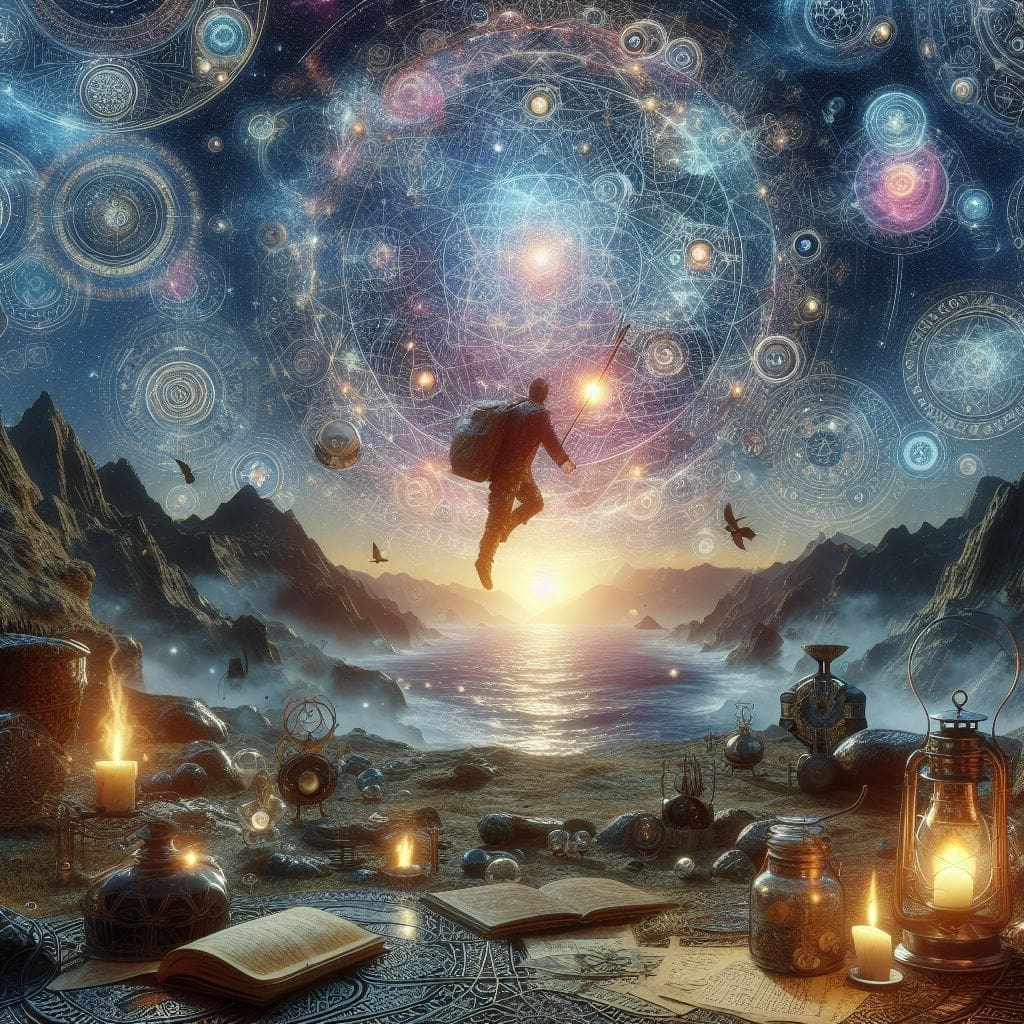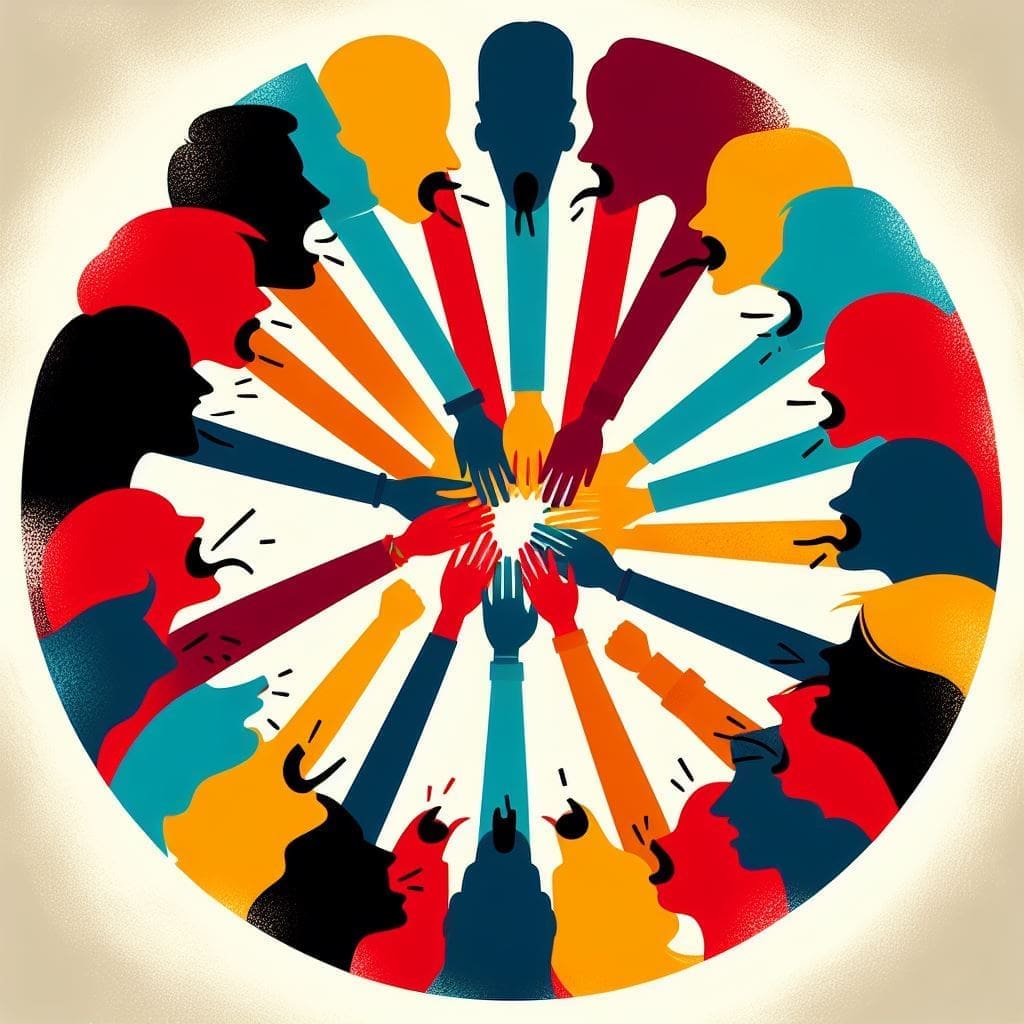

Perception is an essential cognitive process that allows us to interpret and make sense of the world around us. It plays a crucial role in our daily lives, influencing how we interact with our environment and perceive others. What is fascinating about perception is that it can vary greatly from person to person, as there are different types of perception that shape how we perceive the world.
1. Visual Perception: Visual perception is the most common and well-known type of perception. It refers to the process by which we interpret and understand visual stimuli. Our eyes receive information from the environment, which is then processed by the brain to form a visual representation of the world. Visual perception allows us to recognise objects, people, and their spatial relationships.
2. Auditory Perception: While visual perception relies on sight, auditory perception relies on hearing. This type of perception involves the interpretation of sound stimuli. Our ears receive sound waves, which are then processed by the brain to elicit meaning and create an auditory experience. It allows us to recognise and understand speech, music, and other auditory information.
3. Gustatory Perception: Gustatory perception refers to our ability to perceive and interpret taste stimuli. It involves our perception of different flavours, such as sweet, sour, salty, and bitter. The taste buds on our tongue receive chemical information from the food we consume, which is then transmitted to the brain for processing and identification of flavours.
4. Olfactory Perception: Olfactory perception is related to the sense of smell. It involves the processing and interpretation of various scents and odours. The receptors in our nose detect airborne chemicals, which are then transmitted to the brain for analysis. Olfactory perception allows us to distinguish between different smells, triggering emotional responses and memory recall.
5. Tactile Perception: Tactile perception involves the interpretation of touch and texture stimuli. Our skin contains receptors that are sensitive to pressure, temperature, and pain. When we touch an object or someone touches us, these receptors transmit information to the brain, which allows us to identify the object’s texture or perceive pain or pleasure.
6. Social Perception: Social perception focuses on how we perceive and interpret others’ behaviour and intentions. It involves understanding and interpreting non-verbal cues, such as facial expressions, body language, and tone of voice. Social perception allows us to form impressions of others, understand their emotions, and navigate social interactions effectively.
7. Time Perception: Time perception refers to our ability to sense and interpret the passage of time. It allows us to understand the duration of events, sequence actions, and plan for the future. Time perception can differ from person to person, with some individuals perceiving time as passing quickly and others perceiving it as slow.
Understanding the various types of perception provides insight into how we experience and interpret the world around us. Our perceptions can be influenced by a multitude of factors, including our past experiences, cultural background, and individual differences. By recognising and appreciating the diversity in perception, we can develop a more nuanced understanding of ourselves and those around us, leading to improved communication and empathy.
Share this:

You Might Also Enjoy Reading