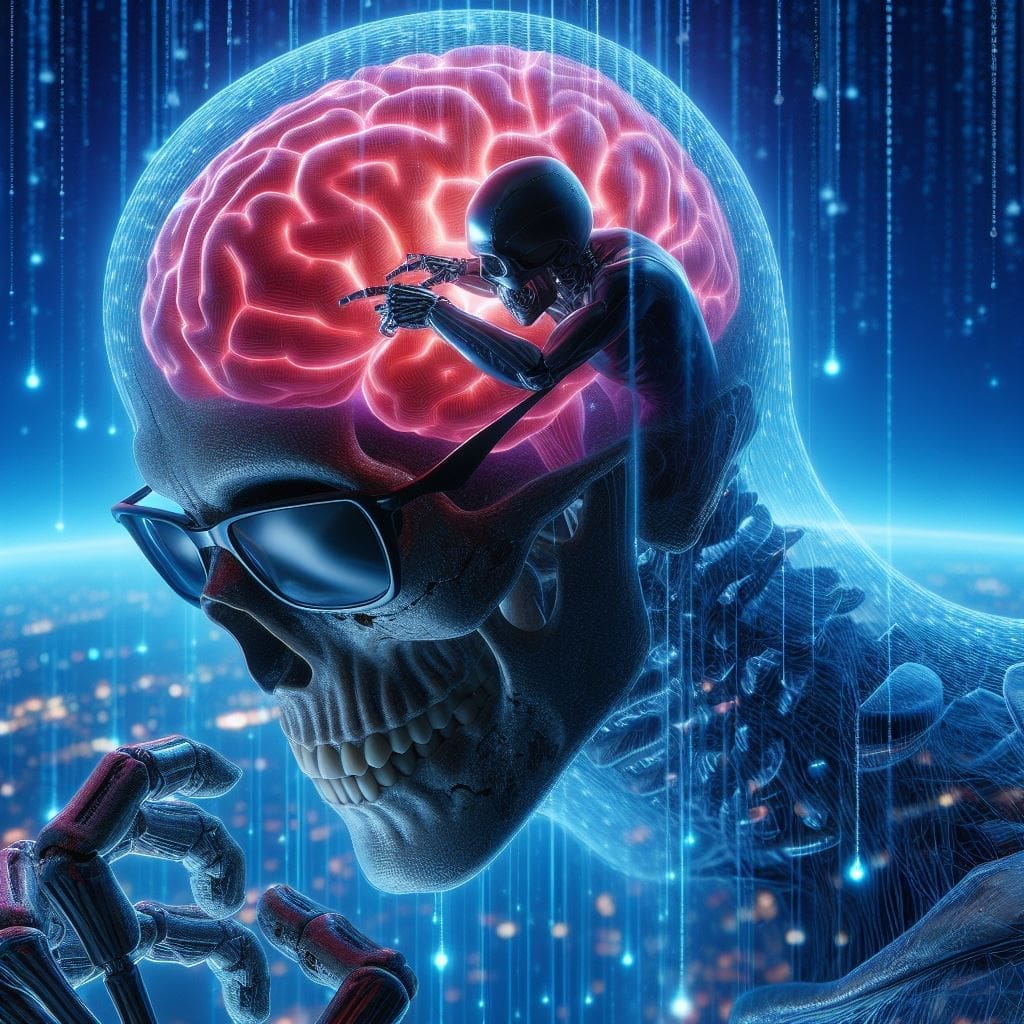

Our brain is a fascinating organ that controls everything we do, think, and feel. It is made up of billions of cells called neurons that communicate with each other through electrical signals and chemical messages. One of the most important chemical messengers in the brain are peptides, which are short chains of amino acids that play a crucial role in regulating our mood, behaviour, and overall brain health.
The brain-peptide connection is a complex and intricate system that involves the interaction between various peptides and their receptors in the brain. These peptides are produced in different parts of the brain and body, and they are involved in a wide range of functions, from regulating our appetite and sleep to influencing our emotions and stress responses.
One of the most well-known brain peptides is oxytocin, often referred to as the “love hormone” or “bonding hormone”. Oxytocin is released in response to social bonding activities such as hugging, kissing, and sexual intimacy, and it plays a key role in fostering feelings of trust, empathy, and connection with others. Research has shown that higher levels of oxytocin are associated with increased feelings of wellbeing and reduced stress levels.
Another important brain peptide is endorphin, which is often called the “feel-good hormone” because it is released in response to activities like exercise, laughter, and positive social interactions. Endorphins are our body’s natural painkillers, and they can help to reduce feelings of discomfort and boost our mood. Studies have shown that regular physical activity can increase endorphin levels in the brain, leading to a “runner’s high” and a sense of euphoria.
In addition to oxytocin and endorphins, there are many other peptides in the brain that play a role in regulating our mental and emotional wellbeing. For example, ghrelin is a peptide that stimulates appetite and promotes food intake, while leptin is a peptide that helps to regulate energy balance and body weight. Neuropeptide Y is involved in regulating stress responses and anxiety, while corticotropin-releasing hormone (CRH) is a key player in the body’s response to stress.
The brain-peptide connection is a fascinating area of research that has the potential to revolutionise our understanding of mental health and wellbeing. By studying how different peptides interact with each other and with the brain, scientists are beginning to unravel the complex mechanisms that underlie our thoughts, feelings, and behaviours.
In conclusion, the brain-peptide connection is a vital aspect of our overall health and wellbeing. By understanding how peptides influence our brain function and mental health, we can develop new treatments and therapies to improve our quality of life and support our brain’s optimal functioning. So next time you feel a surge of happiness after a good workout or a warm embrace, remember that it’s all thanks to the intricate interplay between your brain and its amazing array of peptides.
Share this:

You Might Also Enjoy Reading