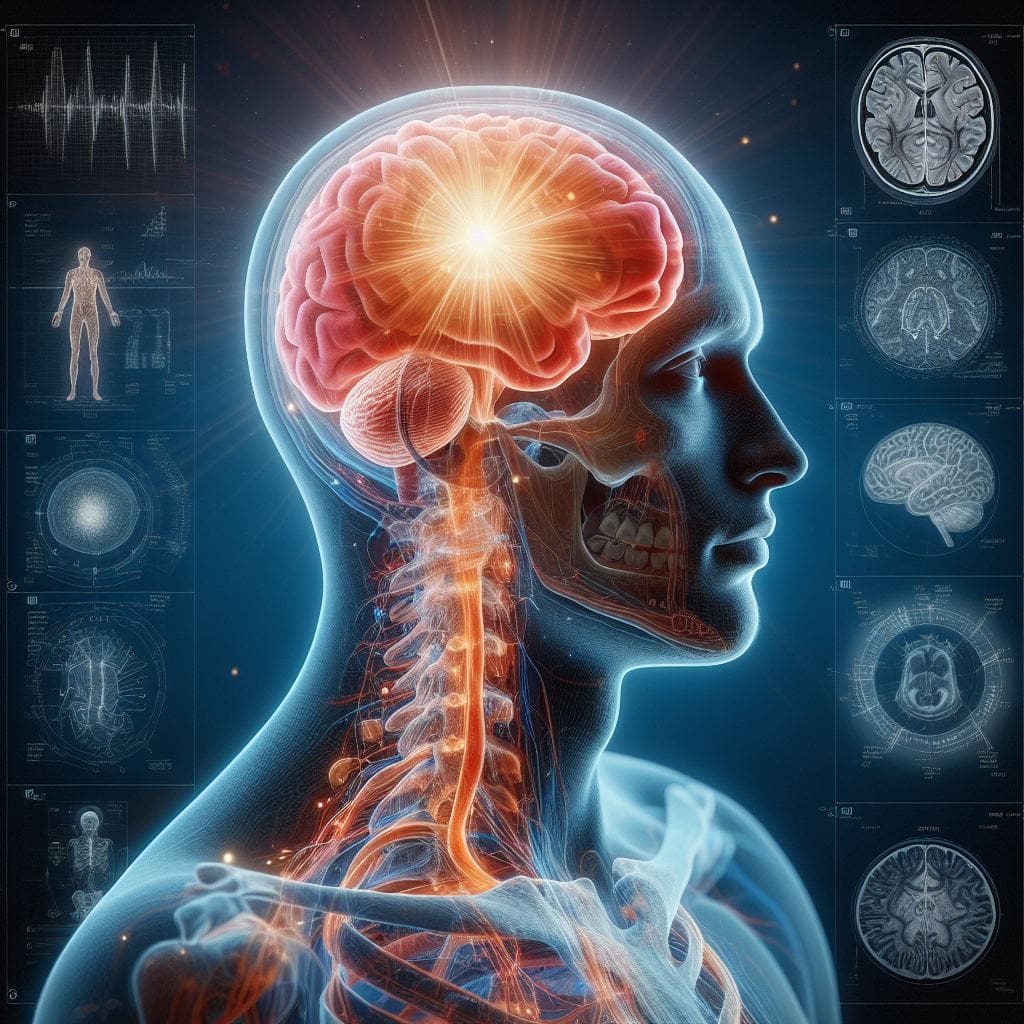
The study of psychopathy has fascinated psychologists and criminologists alike, as they seek to understand the complexities of this intriguing personality disorder. Although often associated with violent and criminal behaviour, psychopathy encompasses a range of psychological traits and abnormalities that set individuals with this condition apart from the general population. In this blog post, we delve deeper into the psychology of psychopathy to gain insights into their aberrant behaviour.
Defining Psychopathy
Psychopathy is a personality disorder characterised by a diminished capacity for empathy and remorse, coupled with a tendency for manipulative and callous behaviour. Psychopaths typically exhibit traits such as superficial charm, grandiosity, impulsivity, and a lack of remorse or guilt. It’s important to note that while psychopathy is associated with a higher likelihood of engaging in criminal behaviour, not all psychopaths are criminals, and not all criminals are psychopaths.
The Triad of Psychopathy
One way psychologists help identify potential psychopaths is by examining the ‘Dark Triad’ of personality traits: narcissism, machiavellianism, and psychopathy. Though each trait has unique characteristics, they often coexist in individuals with psychopathic tendencies. Narcissism reflects an inflated sense of self-importance and a constant need for admiration, while machiavellianism refers to manipulative and exploitative behaviour. Together, these traits contribute to the psychopath‘s disregard for societal norms and moral standards.
The Emotional Paradox
Perhaps one of the most intriguing aspects of psychopathy is the emotional paradox it presents. While psychopaths lack the ability to experience genuine empathy, they possess a profound understanding of how to mimic it. This superficial charm enables them to manipulate others to their advantage, leveraging emotions as a strategic tool. Psychopaths may excel at appearing charming and charismatic, effortlessly attracting and manipulating those around them.
The Role of Nature and Nurture
The origins of psychopathy have long been debated, with researchers exploring the roles of genetic and environmental factors. Some studies suggest that a predisposition to psychopathy might have a genetic component, influencing brain structure and function. However, environmental factors, such as childhood trauma, abuse, or neglect, can also contribute to the development of psychopathic traits. Understanding this interplay between nature and nurture is essential in comprehending the complex origins of psychopathy.
Treatment Challenges
Treating psychopathy poses unique challenges, primarily due to the psychopath’s resistance to therapy. Their lack of insight and unwillingness to acknowledge their own faults presents a significant obstacle to change. Traditional therapeutic approaches may prove unsuccessful in rehabilitating psychopaths. Consequently, efforts are shifting towards early intervention, focusing on prevention strategies and targeting at-risk individuals before psychopathic traits escalate.
Conclusion
The psychology of psychopathy offers us fascinating insights into the intricate world of human behaviour. By unravelling the complexities of psychopathic traits, researchers aim to develop better tools for detecting and treating this personality disorder. Understanding the origins, emotional paradox, and challenges associated with this condition not only informs our understanding of psychopathy but also underscores the importance of early intervention and developing effective treatment strategies to minimise the potential harm these individuals can cause to society.
Share this:

You Might Also Enjoy Reading