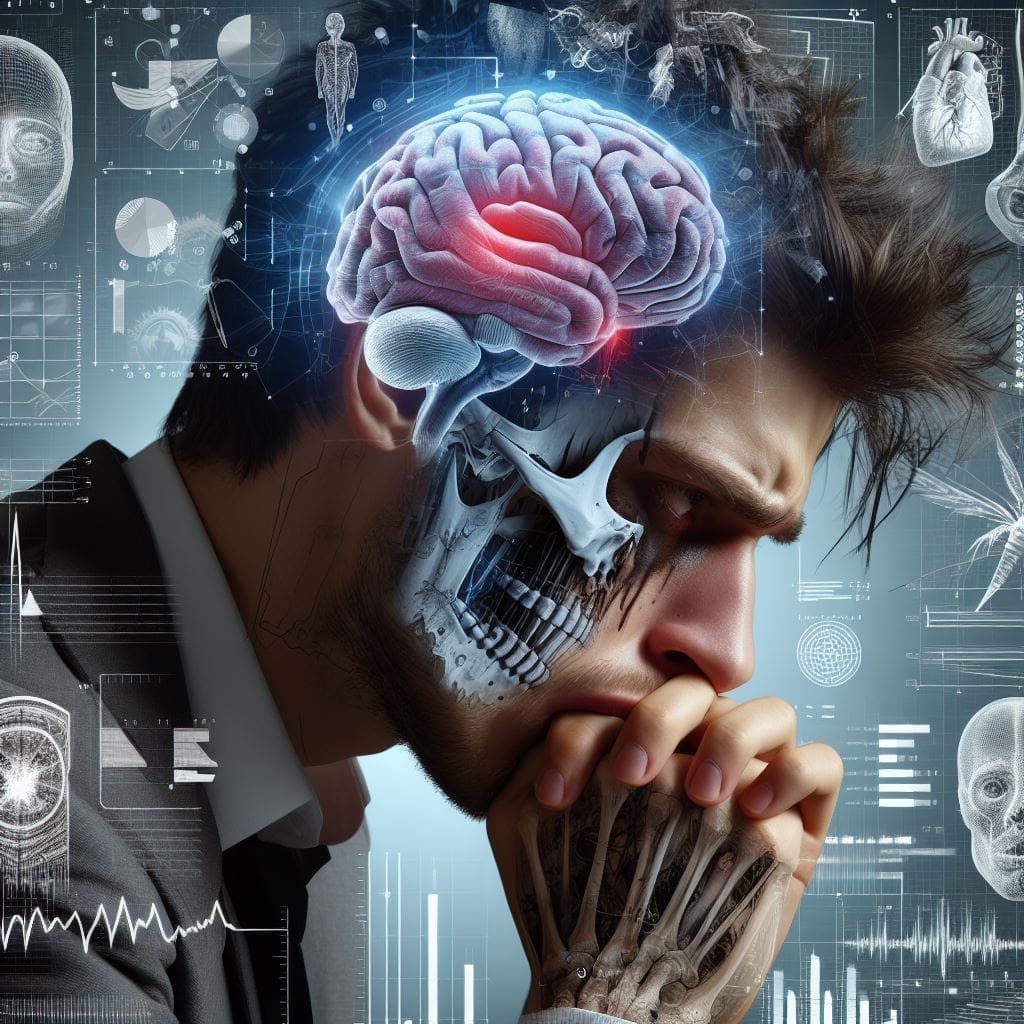

In the field of psychology, various theories attempt to explain the development of human personality and the way individuals form and maintain relationships. One such theory, the Object-Relations Theory, explores the importance of early relationships and their impact on an individual’s sense of self and ability to establish healthy connections with others. Developed by British psychoanalyst Melanie Klein and further expanded by other theorists, this theory provides insightful perspectives into the complexities of human interactions.
The Object-Relations Theory emphasises the significance of the early mother-child relationship, highlighting the emotional bonds that infants form with their primary caregivers. According to this theory, objects in an individual’s life (typically referring to significant others like parents or siblings) serve as the building blocks for their development and influence their perceptions, behaviours, and overall sense of self-identity.
Central to the Object-Relations Theory is the concept of “internal objects,” which are internalised mental representations of important people in our lives. These representations are formed based on the individual’s experiences and interactions with these others. Ideally, a person is able to integrate positive experiences and develop a healthy internalised object, leading to a positive self-concept and the ability to form fulfilling relationships. However, negative experiences can also shape these internalised objects, leading to distortions in one’s self-perception and difficulties in establishing healthy connections.
This theory suggests that early attachment experiences play a crucial role in shaping an individual’s internalised objects. For instance, a secure and loving attachment with a caregiver can lead to the development of positive internalised objects, allowing the individual to trust others and themselves. On the other hand, a neglectful or abusive upbringing may result in negative internalised objects, leading to feelings of mistrust, low self-esteem, and relationship difficulties.
Understanding the Object-Relations Theory can offer valuable insights into our own behaviours and the dynamics within our relationships. It reminds us of the significance of our early experiences and how they continue to influence our interactions with others throughout our lives. By recognising the impact of our internalised objects, we can better understand our reactions and patterns in relationships.
The Object-Relations Theory also highlights the importance of therapy in helping individuals heal from negative early experiences and develop healthier internalised objects. Therapists employing this theoretical approach focus on the exploration of past relationships and work towards building new, more positive internal objects. By doing so, individuals can learn to replace destructive patterns with healthier ones and improve their relationships with themselves and others.
In conclusion, the Object-Relations Theory offers a framework for understanding the complex interplay between early relationships, self-identity, and interpersonal connections. By recognising the influence of internalised objects, we can gain insight into our own behaviours and work towards healthier relationships. With its practical implications for therapy, this theory can guide individuals seeking personal growth and healing from past wounds.
Share this:

You Might Also Enjoy Reading