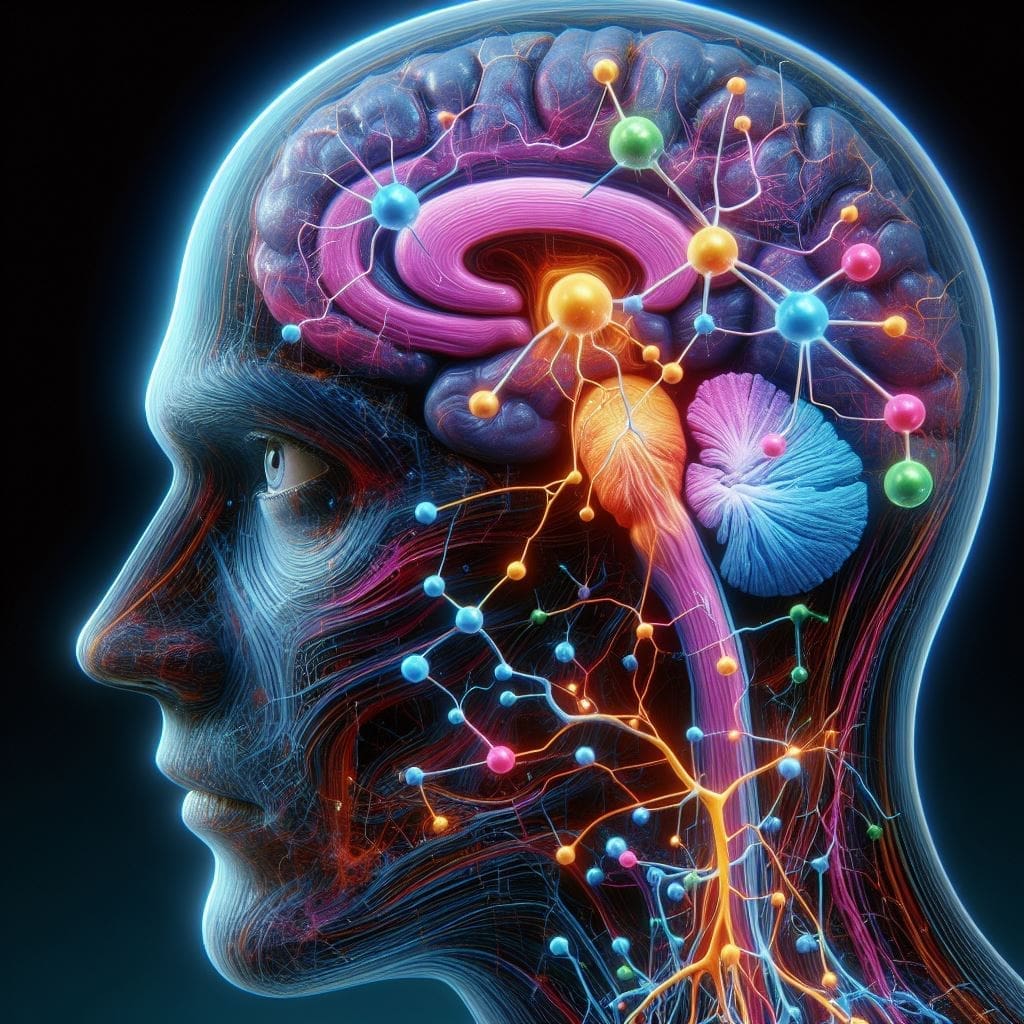
Higher-order cognitive processes are complex mental operations that go beyond basic perception and memorisation. They involve critical thinking, reasoning, problem-solving, decision-making, and creativity. These processes play a crucial role in our daily lives and are essential for success in various academic, professional, and personal domains.
One key aspect of higher-order cognitive processes is critical thinking. It involves analysing and evaluating information in a logical and unbiased manner. Critical thinkers tend to ask questions, challenge assumptions, consider multiple perspectives, and draw evidence-based conclusions. Developing this skill is important as it enables individuals to assess the validity of arguments, detect biases, and make informed decisions.
Reasoning is another vital cognitive process that involves drawing logical conclusions based on available information. It enables individuals to make connections, identify patterns, and form logical explanations. Reasoning helps in problem-solving by allowing individuals to break down complex problems into manageable parts and plan an appropriate course of action.
Problem-solving is a higher-order cognitive process that involves finding solutions to complex or ill-defined problems. It requires individuals to use their previous knowledge and experiences, as well as new information, to develop strategies and overcome obstacles. Problem-solving skills are highly valued in the workplace as they enable individuals to think creatively and come up with innovative solutions.
Decision-making is another important cognitive process that involves choosing the best course of action among different alternatives. It requires individuals to evaluate the potential consequences and benefits of each option and make choices based on objective criteria. Effective decision-making requires individuals to consider both short-term and long-term goals and weigh the risks and rewards.
Creativity is also considered a higher-order cognitive process. It involves generating new and original ideas, connections, and solutions. Creativity is not limited to artistic endeavours; it is also essential in scientific research, business innovation, and problem-solving. Nurturing creativity involves developing a mindset that is open to new possibilities, embracing ambiguity, and promoting divergent thinking.
Higher-order cognitive processes are not innate abilities; they can be developed and improved through learning, practice, and exposure to diverse experiences. Education plays a vital role in fostering these processes by providing opportunities for critical thinking, problem-solving, and decision-making. Educators can incorporate activities that promote higher-order cognitive processes into their curricula, such as case studies, simulations, and group discussions.
In conclusion, higher-order cognitive processes are invaluable skills that go beyond basic cognitive functions. They enable individuals to think critically, reason effectively, solve complex problems, make sound decisions, and unleash their creativity. Developing and nurturing these processes through education and practice empowers individuals to succeed in various aspects of their lives and contribute to the advancement of society.
Share this:

You Might Also Enjoy Reading