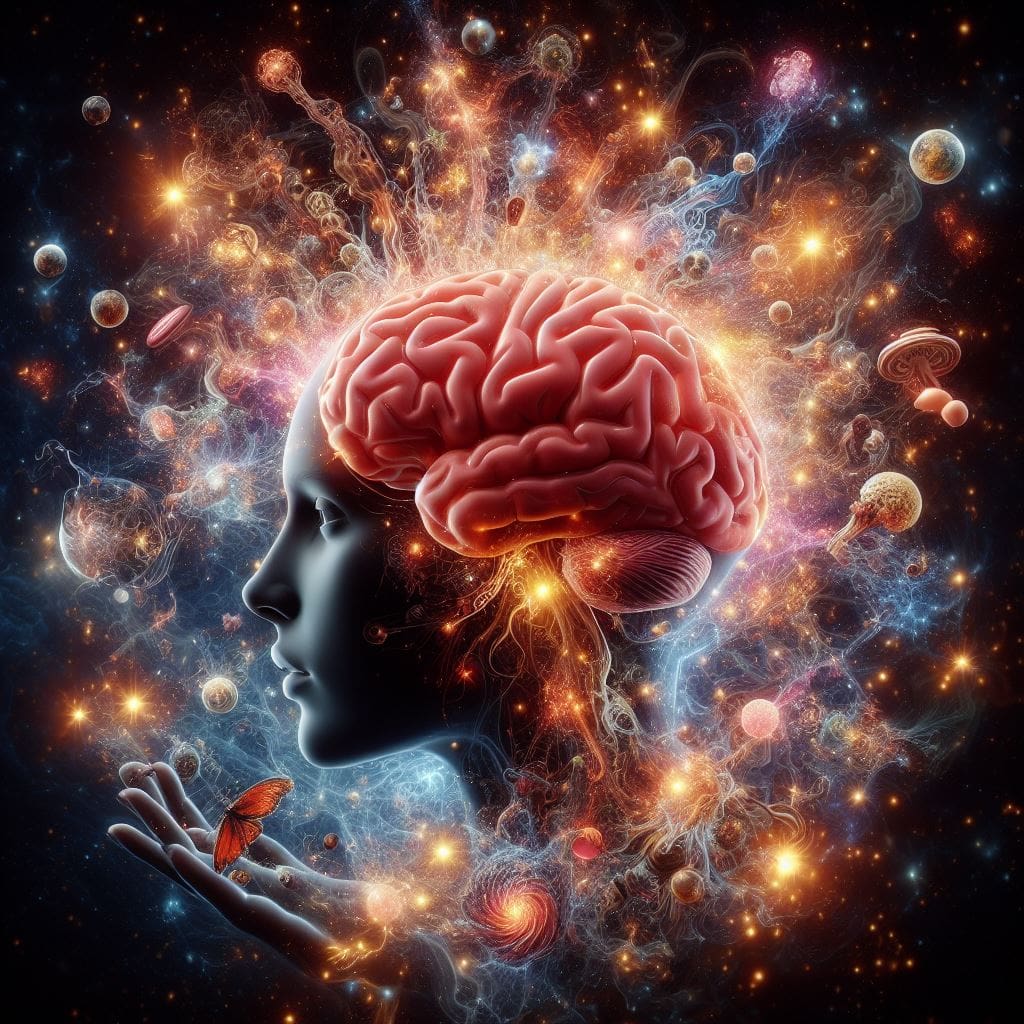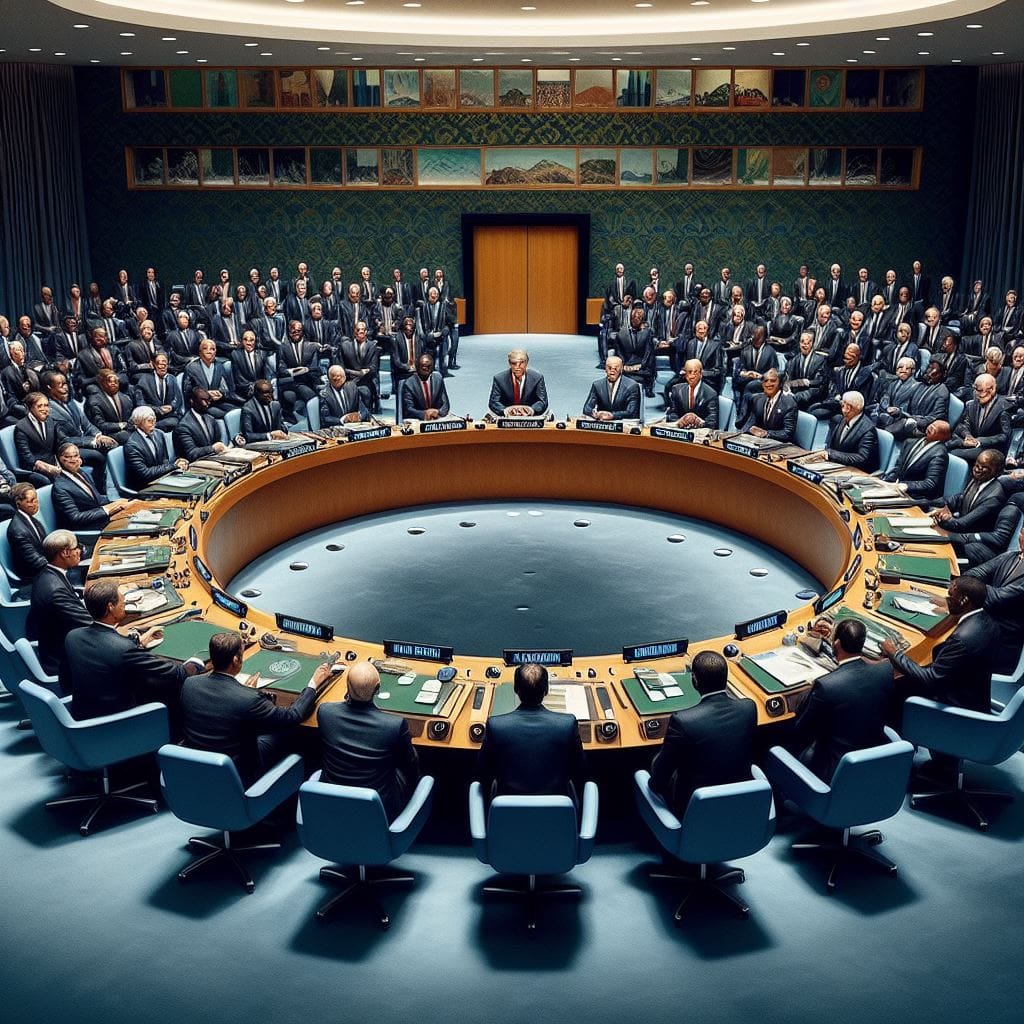

As human beings, we possess an inherent desire for freedom, dignity, and justice. Human rights form the foundation of our social fabric, ensuring our collective well-being and striving for a fair and equitable society. While the legal framework surrounding human rights is well-documented and widely discussed, it is equally crucial to explore the psychological aspects that underpin and motivate our pursuit of these fundamental rights.
The Principle of Empathy
Empathy stands at the core of human rights. It is the ability to understand and share the feelings of others, enabling us to connect with the experiences of those around us. From a psychological perspective, empathy is a powerful motivator, driving us to defend human rights against any violation.
Research suggests that empathy is an innate quality in humans. We are wired to connect emotionally with others and experience their joy, sorrow, and pain, allowing us to establish meaningful relationships. This shared experience forms the basis for our understanding of human rights: the ability to put ourselves in someone else’s shoes, to recognise their inherent worth, and to fight for their justice.
Universalism vs. Cultural Relativism
The psychology of human rights also delves into the clash between universalism and cultural relativism. Universalism posits that certain rights are inherent to all individuals, regardless of culture or societal norms. Cultural relativism, on the other hand, argues that rights are context-dependent and shaped by cultural values.
Psychological studies consistently show that our inclination towards empathy and the pursuit of human rights is rooted in a universal framework. While cultural relativism plays a role in human rights debates, it must not overshadow the shared human experiences that transcend cultural boundaries. Acknowledging both cultural diversity and our common humanity allows us to strike a balance that respects the cultural context while upholding fundamental human rights.
The Impact of Human Rights Violations on Mental Well-Being
Understanding the psychology of human rights involves recognising the detrimental effects of rights violations on individuals and communities. When human rights are undermined or denied, individuals experience a profound impact on their mental well-being.
Studies indicate that prolonged exposure to human rights violations, such as torture, arbitrary detention, or discrimination, can lead to psychological trauma, depression, anxiety, and post-traumatic stress disorder. The psychological scars are deep, creating a ripple effect on societal well-being. A comprehensive approach to human rights should include not only legal protection but also psychological support and rehabilitation for survivors.
The Role of Education in Fostering a Human Rights Culture
Education is an essential tool for cultivating a society built on respect for human rights. It plays a crucial role in shaping attitudes, values, and beliefs, ultimately influencing behaviour. By incorporating human rights education early in formal education curricula, we can foster a generation of empathetic and proactive individuals who champion human rights.
Teaching children about tolerance, equality, and diversity instils core values that challenge prejudice and discrimination. Such education empowers individuals to become agents of change and facilitates the creation of a society that respects and upholds human rights.
Conclusion
The psychology of human rights provides valuable insights into the fundamental principles that guide our pursuit of a just and equitable society. By examining empathy, balancing universalism with cultural relativism, understanding the psychological ramifications of rights violations, and harnessing the power of education, we can collectively reshape our world into a place where human rights are not just ideals, but deeply ingrained values for all. Embracing psychology’s role in human rights endeavours allows us to protect the rights of the vulnerable, promote social progress, and ultimately nurture a more compassionate and harmonious global community.
Share this:

You Might Also Enjoy Reading