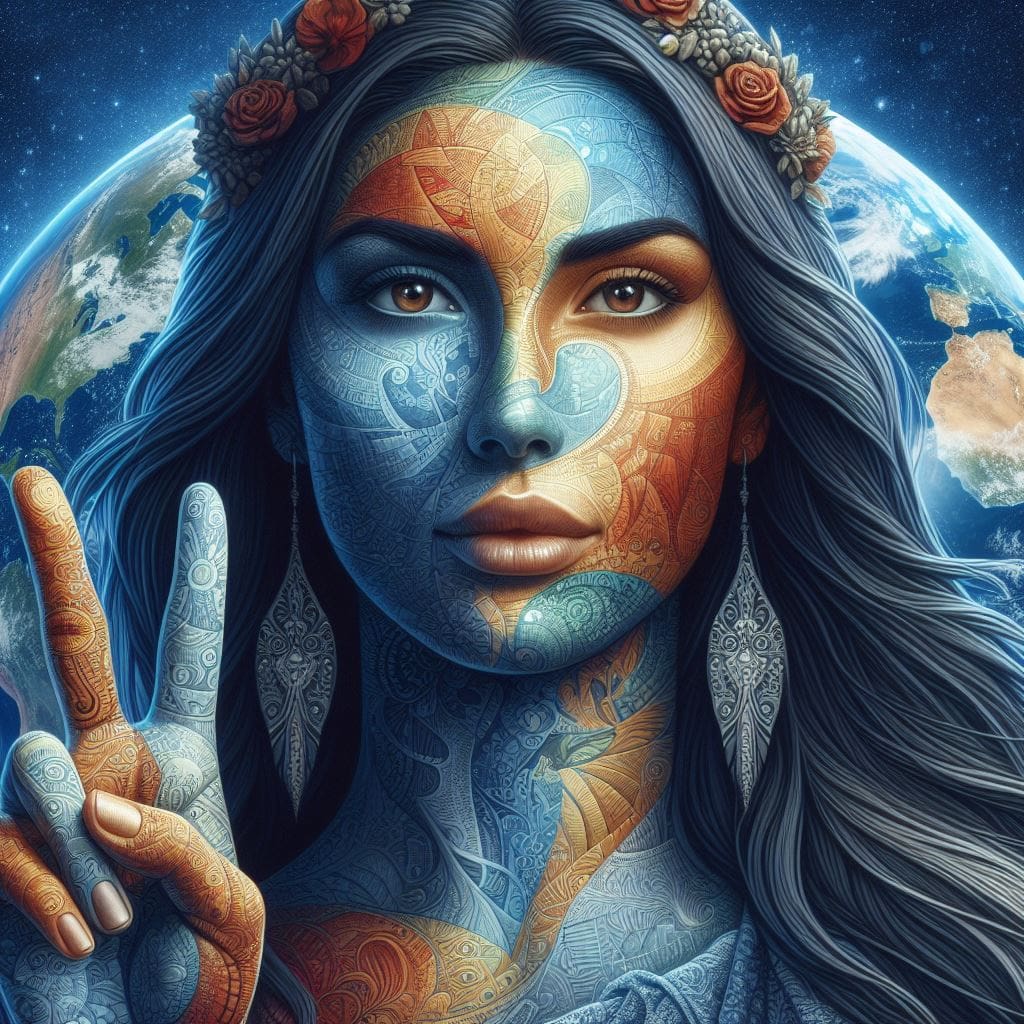

In a world that thrives on diversity and interconnectedness, the clash between universalism and cultural relativism continues to spark heated debates and ignite intellectual discourse. These two philosophical perspectives, representing opposite ends of the spectrum, ask fundamental questions about human values, ethics, and cultural practices. In this blog post, we will explore the core principles of universalism and cultural relativism, and try to bridge the gap between the two, fostering a deeper understanding of our shared humanity.
Understanding Universalism
Universalism asserts that there are certain moral and ethical principles that apply universally to all humans, transcending cultural, historical, or geographical boundaries. Advocates of universalism argue that these principles, such as human rights, freedom, and equality, are inherent and should be embraced by all societies. Universalism forms the foundation of international laws and declarations that aim to protect and uphold human rights on a global scale.
Cultural Relativism
On the other hand, cultural relativism posits that moral values and ethical judgements are culturally specific, varying across different societies. It suggests that there is no absolute standard by which to judge or compare different cultural practices. Cultural relativism emphasises the importance of understanding cultural diversity and respecting the values and norms of each society within its own context.
The Clash
The contrasting perspectives of universalism and cultural relativism often find themselves in opposition, fuelling passionate discussions. Critics of universalism argue that it imposes Western values on non-Western cultures, dismissing or undermining the richness and uniqueness of various cultural traditions. On the other hand, critics of cultural relativism argue that it can lead to the acceptance of practices that may breach fundamental human rights, such as female genital mutilation or child labour.
Bridging the Gap
While the debate between universalism and cultural relativism may seem irreconcilable, there is potential for a more nuanced understanding that bridges the gap between these conflicting viewpoints. Here are a few thoughts to consider:
1. Contextualisation: Cultures are not static entities; they evolve over time. By acknowledging the historical, social, and economic contexts behind cultural practices, we can better understand their necessity, function, and potential for change.
2. Core Universal Values: While cultural practices may vary significantly, certain universal values, such as the preservation of human dignity, respect for autonomy, and equality of opportunity, can serve as touchstones for ethical judgement and common ground for dialogue.
3. Open-Mindedness: Embracing cultural diversity does not mean condoning practices that infringe upon fundamental human rights. It requires an open-minded approach that acknowledges the richness that various cultures bring while engaging in critical dialogue concerning values and practices that may be questionable.
4. Human Rights Education: Enhancing global knowledge about human rights can empower individuals to challenge oppressive practices from within their own cultural context, fostering positive change while respecting the diversity of cultures.
Conclusion
The debate between universalism and cultural relativism invites us to grapple with complex philosophical questions, ultimately highlighting the need for a balanced approach. By appreciating the value and diversity of cultural practices while also maintaining a commitment to human rights and ethical principles, we can strive for a more equitable and compassionate world. Embracing our shared humanity and cultural diversity can be the pathway towards bridging the gap between these seemingly opposing philosophies, encouraging us to always question, learn, and grow.
Share this:

You Might Also Enjoy Reading