
Have you ever wondered why you inherited your father’s high blood pressure or your mother’s predisposition to diabetes? Or perhaps, you’ve questioned why some individuals with identical DNA can develop different diseases or exhibit diverse physical characteristics. The answers to these perplexing questions lie within the fascinating field of epigenetics.
Epigenetics, derived from the Greek word “epi” meaning “above” or “on top of,” refers to the study of heritable changes in gene expression that occur without altering the underlying DNA sequence. Unlike genetics, which primarily focuses on the DNA code we inherit, epigenetics delves deeper into understanding how genes are switched on or off, regulated, and modified by external factors. These factors include the environment we live in, our lifestyle choices, diet, stress levels, and even prenatal experiences.
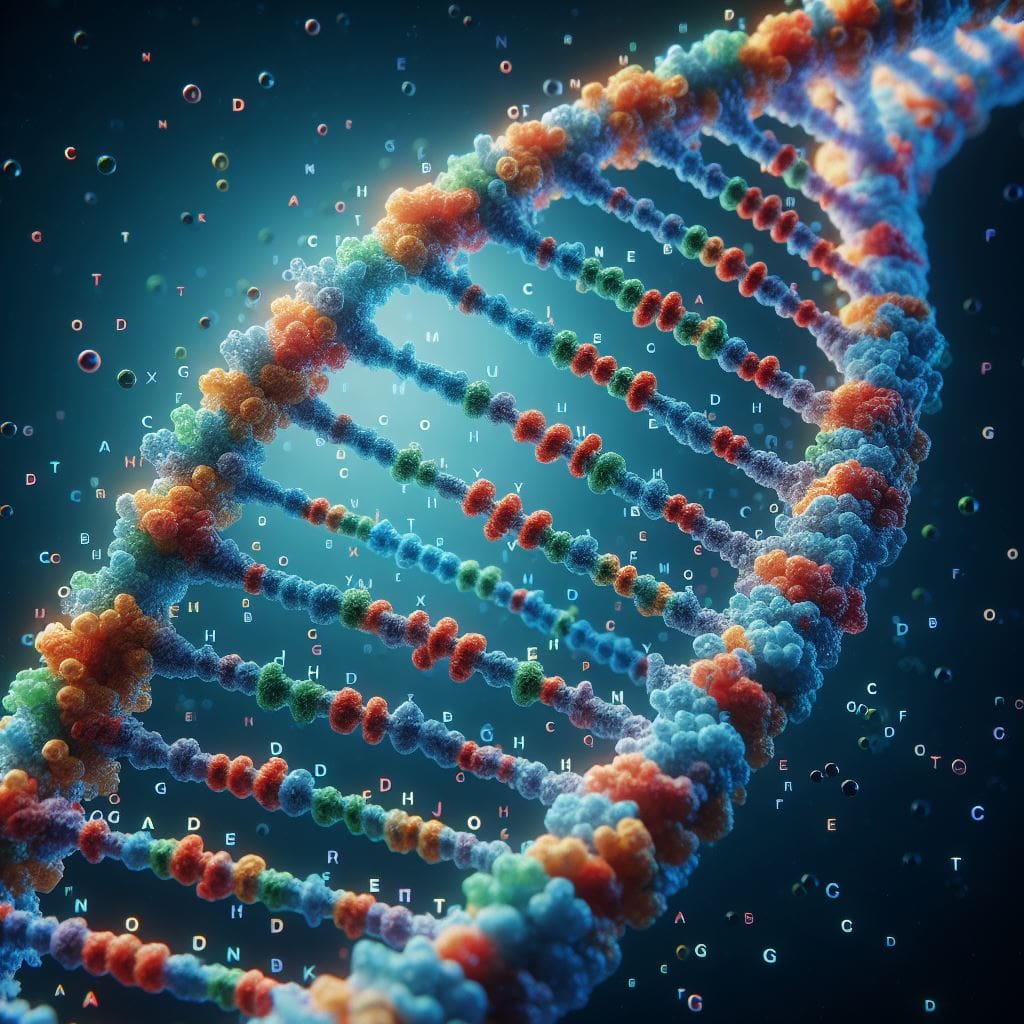
To grasp the concept of epigenetics, we must first understand DNA. DNA is often likened to a library containing all of the instructions for building and maintaining an organism. Each gene within the DNA library provides the blueprint for a particular protein or functional molecule. However, not all genes are active at all times, and this is where epigenetics comes into play.
Epigenetic modifications act as a regulatory mechanism for genes, determining which ones are expressed and which ones are silenced. They are like bookmarks in a library that dictate which pages are accessible, influencing the activity of genes and ultimately shaping our traits and health outcomes.
One of the most extensively studied epigenetic modifications is DNA methylation, a process where a methyl group attaches itself to specific regions of the DNA molecule, often near the gene. Methylation can effectively switch off gene expression, preventing the associated protein from being produced. This can have profound implications for our health, as the expression of certain genes is critical in maintaining a balanced physiological state.
Additionally, another key mechanism of epigenetic regulation is histone modification. Histones are proteins that package and organise DNA within our cells. Chemical tags attached to histones can either loosen or tighten the package, allowing or restricting access to the underlying genes. These modifications regulate gene expression, replicating the patterns set by our environment or previous experiences.
Epigenetics has significant implications for disease prevention, treatment, and understanding human development. It helps explain why identical twins, who share the same DNA, can have different susceptibilities to diseases such as cancer or mental disorders. It also sheds light on the interplay between genetics and the environment, explaining how external factors can leave a lasting epigenetic mark that can affect future generations.
While epigenetic modifications can be influenced by various external factors, they are not necessarily permanent. Research suggests that certain lifestyle choices, such as a healthy diet, regular exercise, and stress reduction techniques, can positively impact our epigenetic marks, potentially mitigating disease risk. This suggests that we have some control over how our genes express themselves, opening up exciting possibilities for personalised medicine and preventative interventions.
In conclusion, epigenetics offers a groundbreaking perspective on how our genes function and interact with the environment. It unravels the complex relationship between genetics, lifestyle, and disease susceptibility. By understanding the mechanisms of epigenetics, we can unlock invaluable insights into inheritance patterns, shed light on the causes of diseases, and potentially revolutionise healthcare practices.
As the field of epigenetics continues to evolve, it promises to transform our understanding of genetics and heredity, providing new avenues for therapeutic interventions and personalised treatments. So, the next time you ponder the intricacies of your inherited traits or wonder about the impact of your environment on your health, remember that epigenetics holds the key to unravelling these mysteries.
Share this:

You Might Also Enjoy Reading