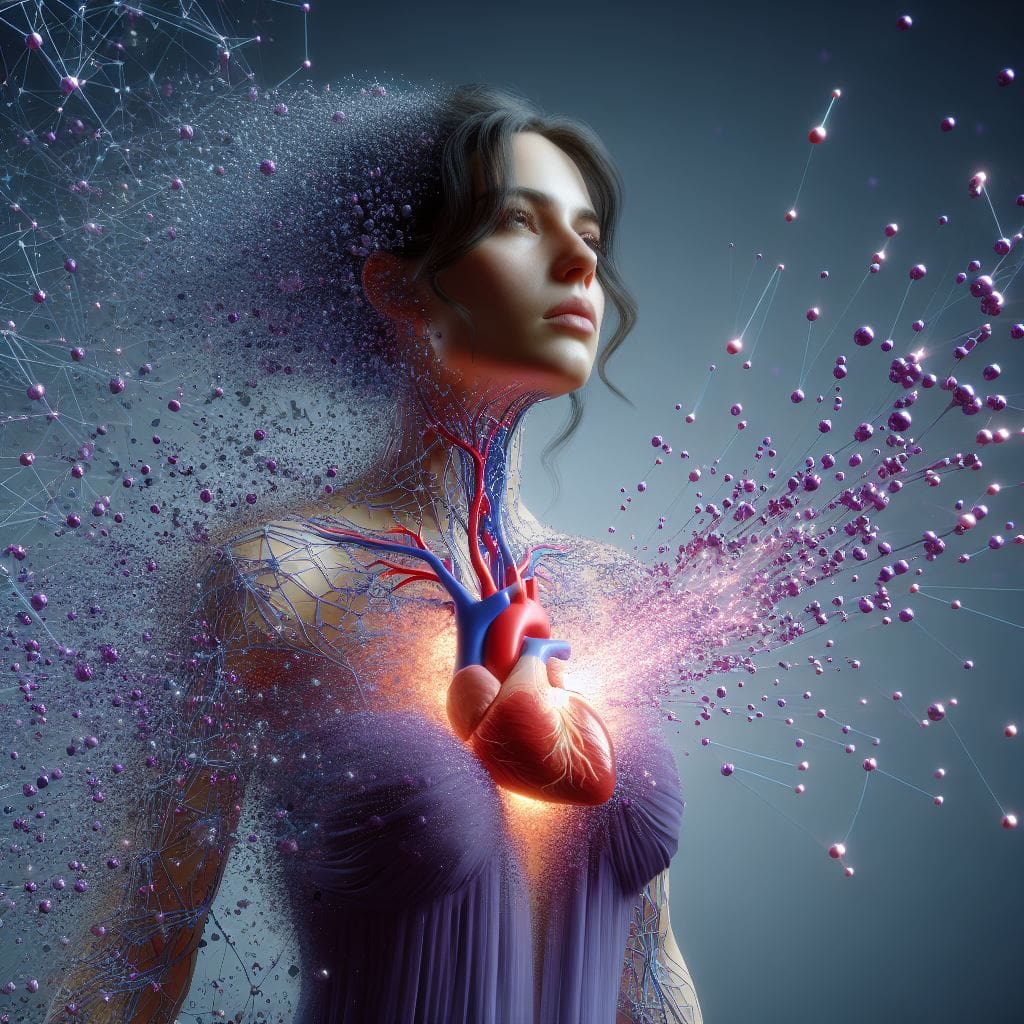
As someone who has lived with complex mental health challenges and has spent years studying the intricate dialogue between mind and body, I am continually drawn to one of the most fascinating concepts in classical psychoanalysis: conversion symptoms.
Conversion symptoms occur when psychological distress or unconscious conflict is transformed into physical symptoms without any identifiable organic cause. Classic examples include sudden paralysis, blindness, seizures, loss of voice (aphonia), or glove anaesthesia (numbness in the hands that does not follow neurological distribution). These symptoms are real — the person genuinely cannot move a limb or see — yet medical investigations repeatedly find no structural damage or disease. In psychoanalytic terms, the symptom is not random; it carries symbolic meaning and serves a psychological purpose.
The concept was central to the birth of psychoanalysis. In Studies on Hysteria (1895), Josef Breuer and Sigmund Freud introduced the revolutionary idea that hysterical symptoms were not signs of neurological disease or moral weakness, but expressions of repressed psychological material. They proposed that an intolerable idea or traumatic memory is pushed out of conscious awareness through repression. The emotional energy attached to that repressed material does not disappear; instead, it is “converted” into a bodily symptom. This process provides primary gain (relief from unbearable anxiety) and often secondary gain (attention, care, or avoidance of responsibility) (Freud and Breuer, 1895).
Freud later refined the theory, emphasising the role of unconscious sexual conflicts. A symptom, he argued, represents a compromise formation: it simultaneously expresses a forbidden wish and punishes the individual for having that wish. For example, a young woman who develops paralysis in her legs might unconsciously be expressing both a desire to run away from a distressing family situation and guilt for that desire. The symptom allows the conflict to be expressed without the person having to consciously acknowledge it.
From a modern perspective, conversion symptoms are understood as a form of functional neurological disorder (FND). Neuroimaging studies have shown altered connectivity between emotion-processing areas (such as the amygdala and insula) and motor or sensory regions. This supports the psychoanalytic idea that psychological distress can genuinely disrupt bodily function without structural damage (Vuilleumier, 2014).
Conversion symptoms are more common than many realise. They frequently appear in individuals with histories of trauma, insecure attachment, or difficulty identifying and expressing emotions (alexithymia). In forensic settings, they can sometimes be mistaken for malingering, though genuine conversion symptoms involve no conscious intent to deceive. The symptom is produced unconsciously as a defence mechanism.
Treatment in the classical psychoanalytic tradition focuses on uncovering the repressed conflict through free association, dream analysis, and interpretation of transference. The goal is not simply to remove the symptom but to help the person understand its meaning and integrate the previously dissociated material. Modern approaches often combine psychodynamic insight with cognitive-behavioural techniques, physiotherapy, and sometimes medication for co-occurring anxiety or depression.
Importantly, conversion symptoms should never be dismissed as “all in the head.” They represent real suffering and deserve respectful, multidisciplinary care. Labelling someone as “hysterical” in the old pejorative sense can cause profound harm and deepen shame. Contemporary clinicians emphasise validation of the distress while gently exploring its psychological roots.
In my own reflective work, I have seen how the body can become a canvas for unprocessed emotions. When words fail, the body speaks — sometimes through pain, sometimes through paralysis, sometimes through inexplicable fatigue. Recognising conversion symptoms as meaningful communications rather than random malfunctions can open the door to deeper healing.
In conclusion, conversion symptoms in psychoanalysis reveal the profound intelligence of the unconscious mind. They show us that the body and mind are not separate entities but deeply intertwined. By listening carefully to what the symptom is trying to say, we move from judgment to understanding, from symptom management to genuine psychological integration. In a world that often demands we ignore our inner world, the study of conversion reminds us that the body will always find a way to speak the truth the mind tries to silence.
References
Freud, S. and Breuer, J. (1895) Studies on hysteria. Standard Edition, Vol. 2. London: Hogarth Press. Available at: https://www.penguinrandomhouse.com/books/264434/the-divided-self-by-r-d-laing/ (Accessed: 26 March 2026).
Vuilleumier, P. (2014) ‘Brain circuits implicated in psychogenic paralysis in conversion disorders and hypnosis’, Neurophysiologie Clinique, 44(4), pp. 323–337. Available at: https://www.ncbi.nlm.nih.gov/pmc/articles/PMC4141772/ (Accessed: 26 March 2026).
Share this:

You Might Also Enjoy Reading