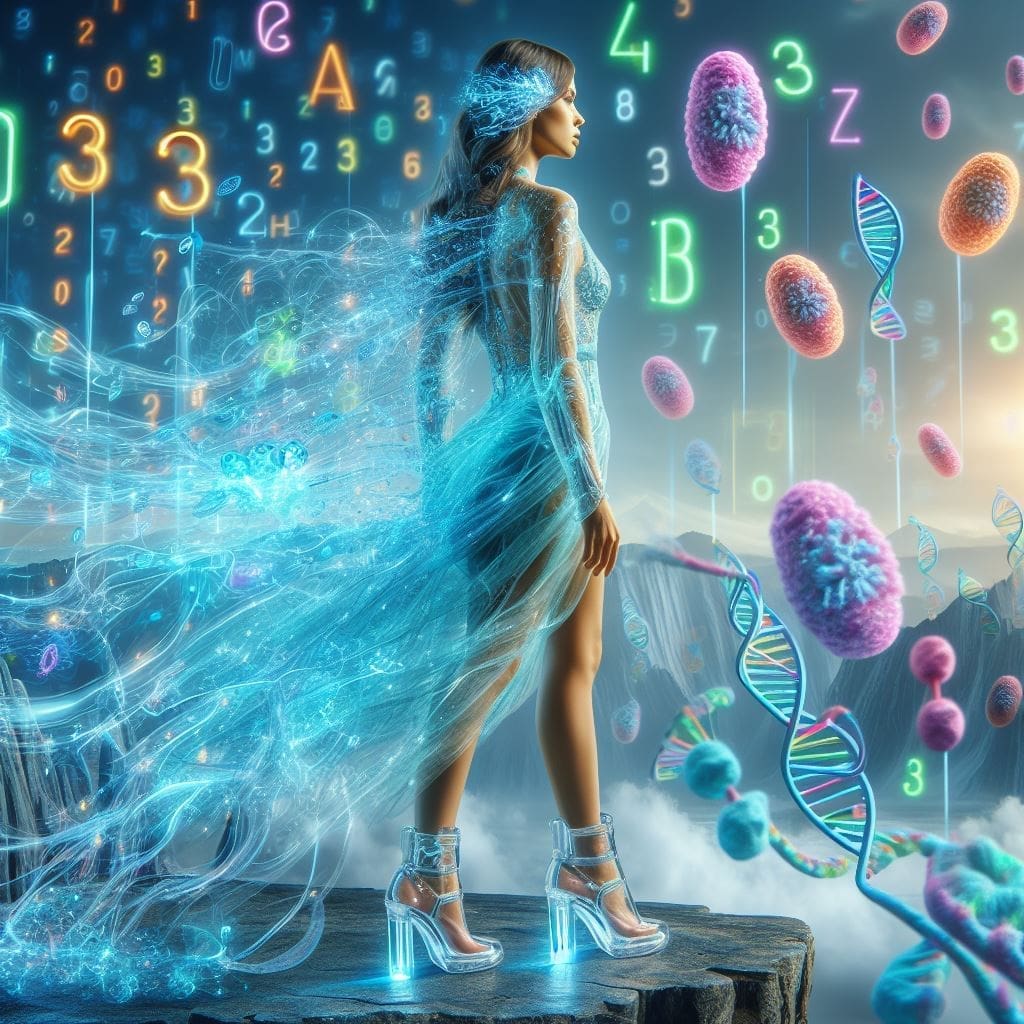

Emotions are an integral part of our everyday lives. From feeling joy and love to experiencing fear and sadness, emotions have a profound impact on our well-being and decision-making processes. While it is widely accepted that our environment and experiences contribute to our emotional responses, recent research has shed light on another crucial factor: genetics. This blog post delves into the fascinating world of the genetics of emotional response, exploring how our genes influence how we feel.
1. The Complex Nature of Emotions
Emotions are multifaceted, complex processes that involve various components, including physiological responses, subjective feelings, and behavioural tendencies. These intricate mechanisms are intertwined with genetic factors that influence our emotional experiences. Researchers have long studied the role of genetics in shaping emotions, uncovering its hidden complexities.
2. How Genes Influence Emotional Responses
Scientists have conducted numerous studies on twins and families to investigate the genetic underpinnings of emotions. The results consistently indicate that genetics significantly contribute to how we respond emotionally to different situations. However, it is important to remember that genes are not the sole determinants of emotional responses; environmental factors also play a significant role.
3. Candidate Genes and Their Impact
Several genes have been identified as potential players in emotional regulation. One such gene is the serotonin transporter gene (SLC6A4), which is associated with serotonin production and reuptake, a neurotransmitter involved in regulating mood. Polymorphisms in this gene have been linked to an increased susceptibility to anxiety and depression.
Another gene of interest is the dopamine receptor gene DRD4, which affects the brain’s dopamine receptors. Variants of this gene have been found to influence reward sensitivity, impulsivity, and susceptibility to addictive behaviours.
4. Epigenetics: The Switch Between Genes and Environment
Epigenetics refers to the study of changes in gene expression caused by environmental factors. It acts as a bridge between genetic influences and the environment, illustrating how external factors can modify our genetic predispositions. Factors such as early-life experiences, stress, and social interactions can have long-lasting epigenetic effects on genes involved in emotional regulation.
5. The Genetic Heterogeneity of Emotional Responses
Emotional responses differ among individuals, and this can be attributed to genetic heterogeneity. Each person possesses a unique combination of genes, resulting in individual variations in emotional experiences. Understanding this genetic diversity is crucial when studying emotional disorders and developing personalised treatments.
Conclusion
Exploring the genetics of emotional response has provided remarkable insights into the intricate mechanisms that shape how we feel. While the influence of genetics on emotions is undeniable, it is essential to recognise that it is just one piece of the puzzle. Environmental factors, life experiences, and social interactions all intersect with our genetic makeup, influencing our emotional responses. Gaining a deeper understanding of these genetic and environmental interactions can pave the way for better strategies for mental health interventions, tailored to individual needs and genetic profiles.
Share this:

You Might Also Enjoy Reading