
Narcissistic abuse is a form of emotional abuse that is inflicted by individuals who have narcissistic personality traits. This type of abuse can have damaging effects on the victim’s mental health and well-being, and recent research has suggested that it may also cause physical brain damage.
Narcissistic abuse is characterised by manipulation, gaslighting, and controlling behaviour that is designed to undermine the victim’s sense of self-worth and control. This constant barrage of emotional abuse can have long-lasting effects on the victim, including symptoms such as anxiety, depression, and post-traumatic stress disorder.
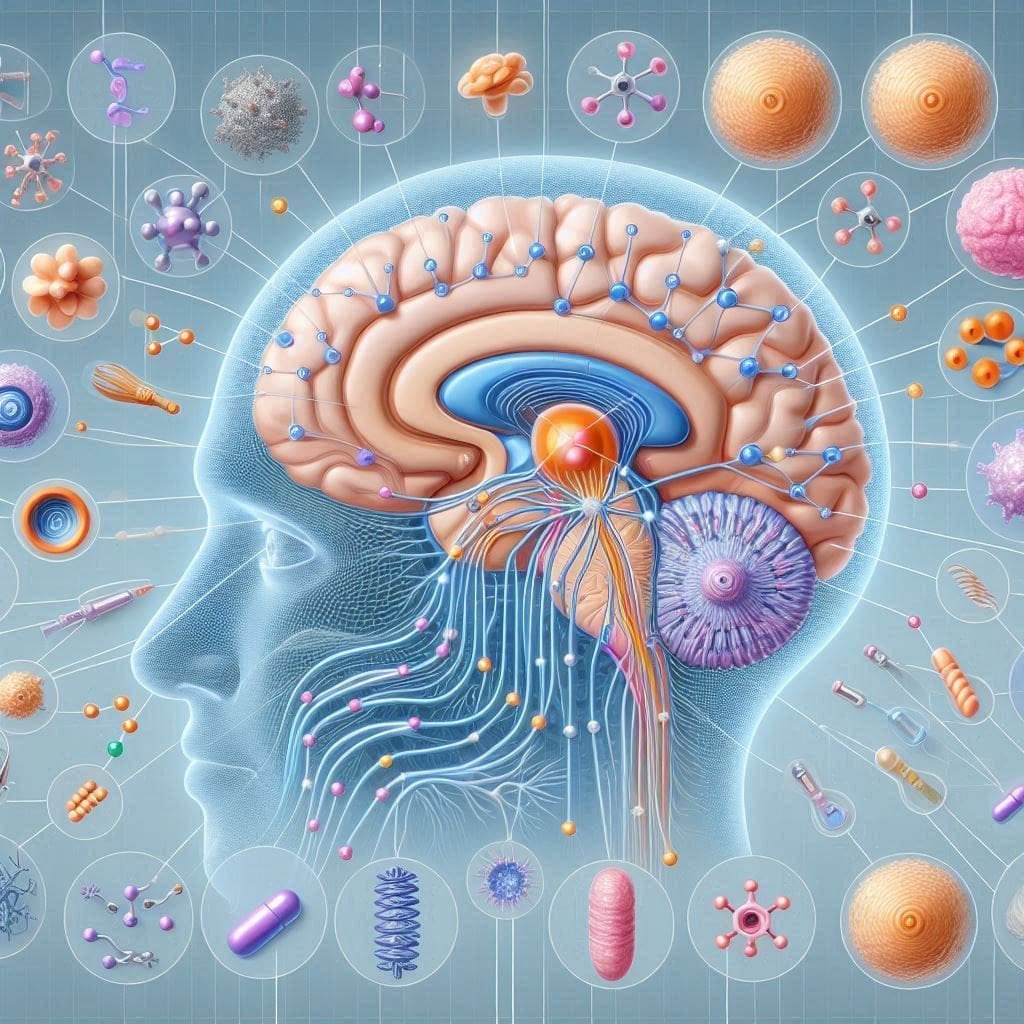
In recent years, researchers have started to explore the physical effects of narcissistic abuse on the brain. One study published in the Journal of Interpersonal Violence found that individuals who had experienced narcissistic abuse had smaller hippocampi, which are areas of the brain responsible for memory and emotional regulation. This suggests that long-term exposure to emotional abuse can actually change the physical structure of the brain.
Another study, published in the Journal of Traumatic Stress, found that victims of narcissistic abuse had elevated levels of cortisol, a stress hormone that can have damaging effects on the brain over time. High levels of cortisol have been linked to a range of health problems, including memory impairment, depression, and even physical brain damage.
It is important to recognise the signs of narcissistic abuse and seek help if you are experiencing it. Therapy and support groups can provide a safe space for victims to process their experiences and begin the healing process. It is also important to prioritise self-care and protect yourself from further harm by setting boundaries and practising self-compassion.
If you or someone you know is experiencing narcissistic abuse, it is important to seek help from a mental health professional. With the right support and resources, it is possible to heal from the effects of narcissistic abuse, both mentally and physically. Remember, you are not alone, and there is help available.
Share this:

You Might Also Enjoy Reading