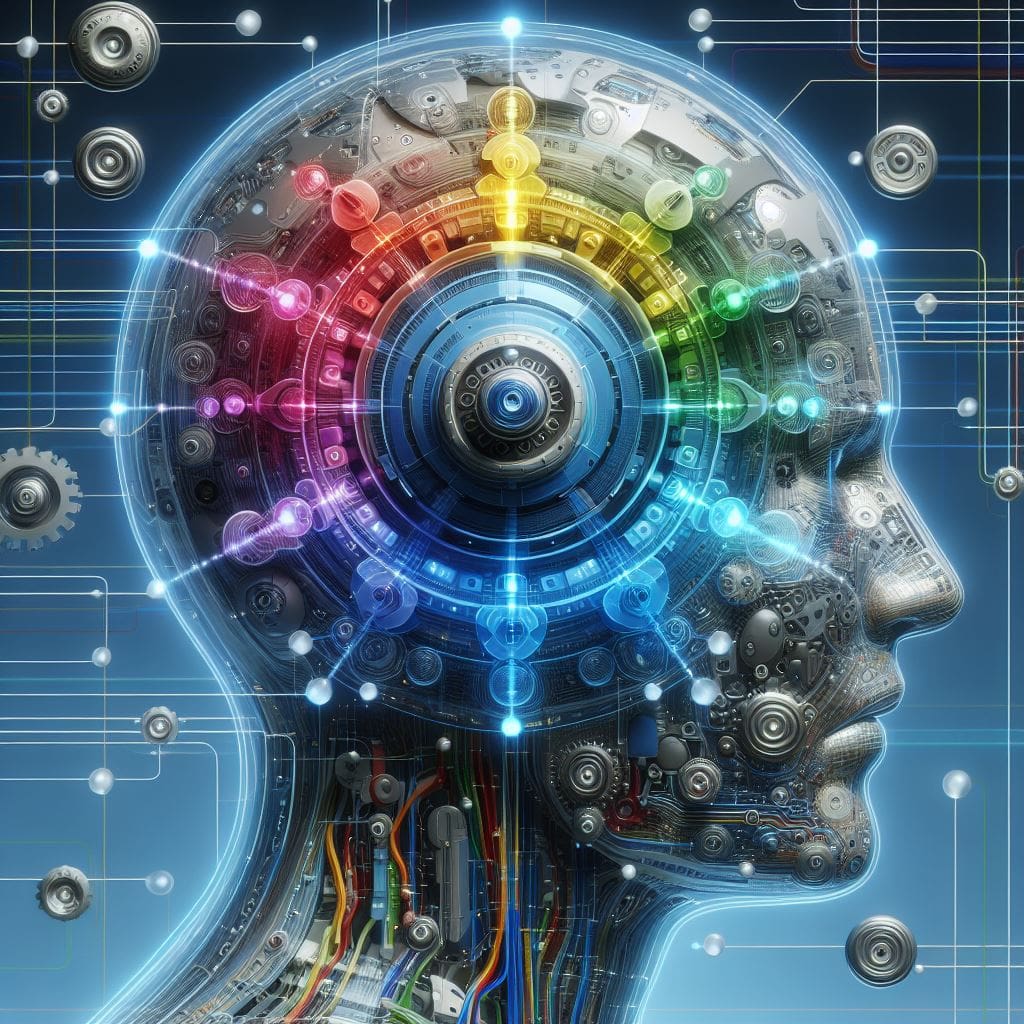
The concept of time travel has fascinated humanity for centuries, capturing our imagination and inspiring countless works of literature, film, and art. But what lies at the core of this fascination? Why are we so enamoured with the idea of journeying through time? Delving into the psychology of time travel offers intriguing insights into the human mind and our eternal quest for understanding the mysteries of time.
The Urge to Alter the Past
One of the primary psychological motivations behind time travel is the desire to alter the past. Humans often carry regrets, wishing they could undo mistakes, mend broken relationships, or change pivotal decisions. The concept of travelling back in time touches upon our innate human curiosity about what would have happened if we had made different choices. It reflects our yearning for control over the irreversible.
Escaping the Pressures of the Present
Time travel provides an escape from the constraints and pressures of our current reality. In a world that often feels relentless and demanding, the ability to explore different timelines and eras creates a sense of freedom and liberation. By transcending the boundaries of the present, individuals can experience a temporary reprieve from the burden of responsibility, offering solace and respite for the mind.
The Fascination with the Future
While travelling to the past often captivates our imagination, the allure of venturing into the future holds equal appeal. Humanity’s obsession with discovering the unknown, predicting and shaping our destiny, drives this fascination. The future represents uncharted territories filled with endless possibilities, making it an enticing landscape to explore. Time travel stimulates our curiosity about the potential outcomes that await us.
The Fragility of Time Perception
Our perception of time is far from objective; it is malleable, influenced by various external and internal factors. The idea of time travel shatters the notion of time as a linear progression, exposing the subjective nature of our temporal experience. This realisation raises profound questions about the true nature of reality, our place within the universe, and the limits of our understanding.
Temporal Paradoxes and Mental Challenges
The puzzling paradoxes inherent within time travel narratives often mirror the complex nature of the human mind. Speculations on changing the past without disrupting the present or potentially causing inconsistencies provoke cognitive dissonance, challenging our sense of logic and coherence. These mental hurdles add an extra layer of intrigue and intellectual stimulation to the psychology of time travel, engaging our problem-solving skills as we attempt to unravel the intricacies.
Conclusion
The psychology of time travel uncovers the depths of human curiosity, introspection, and a desire to transcend the boundaries that confine us. It reflects our longing to reconcile with the past, escape from present pressures, and explore the untapped potential of the future. The psychological aspects surrounding time travel highlight the fascinating intricacies entwined within our minds, offering fertile ground for contemplation, exploration, and creative expression. So whether we embark on these journeys through the realm of fiction or actively probe the possibilities through scientific inquiry, the allure of time travel reminds us that the quest to understand the intricacies of time is deeply ingrained within our psychological makeup.
Share this:

You Might Also Enjoy Reading