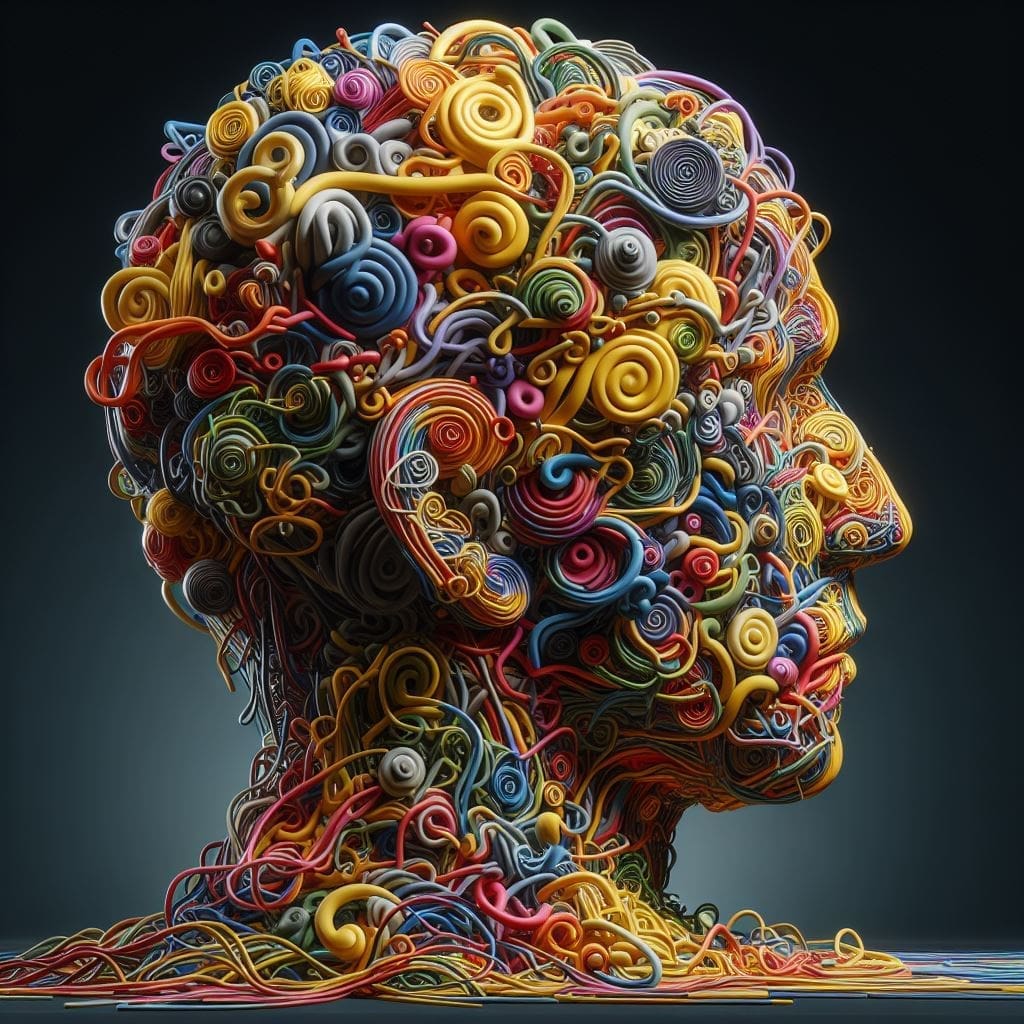
Our bodies have their own language, one that is often more telling than the words we speak. Whether through subtle gestures, facial expressions, or physical movements, our bodies are constantly communicating messages to those around us. This nonverbal communication can sometimes be even more powerful and insightful than our spoken words.
Think about the way someone crosses their arms or furrows their brow when they are feeling defensive or uncomfortable. Or how a smile and nod can convey agreement and understanding without a single word being uttered. These simple actions can speak volumes about our thoughts and emotions, sometimes revealing more about us than we realise.
One of the most interesting aspects of nonverbal communication is that it is often unconscious. We may not even be aware of the messages our bodies are sending, but others can pick up on them easily. This can be both a blessing and a curse – while it allows us to convey our emotions and intentions without speaking, it also means that others can sometimes misinterpret or misread our body language.
Learning to read and understand the language of the body can be a valuable skill in both personal and professional relationships. By paying attention to the nonverbal cues of those around us, we can gain a deeper understanding of their feelings and reactions. This can help us navigate conflicts, build trust, and strengthen our connections with others.
On the flip side, being aware of our own body language can also be crucial in effective communication. By learning to control our gestures, facial expressions, and posture, we can ensure that our nonverbal cues align with our spoken words. This can help us appear more confident, trustworthy, and engaging in our interactions with others.
In a world where we are constantly bombarded with words and information, the language of the body offers a refreshing and often more authentic form of communication. So next time you find yourself in a conversation, pay attention to the unspoken messages being exchanged – you may just find that they speak louder than words.
Share this:

You Might Also Enjoy Reading