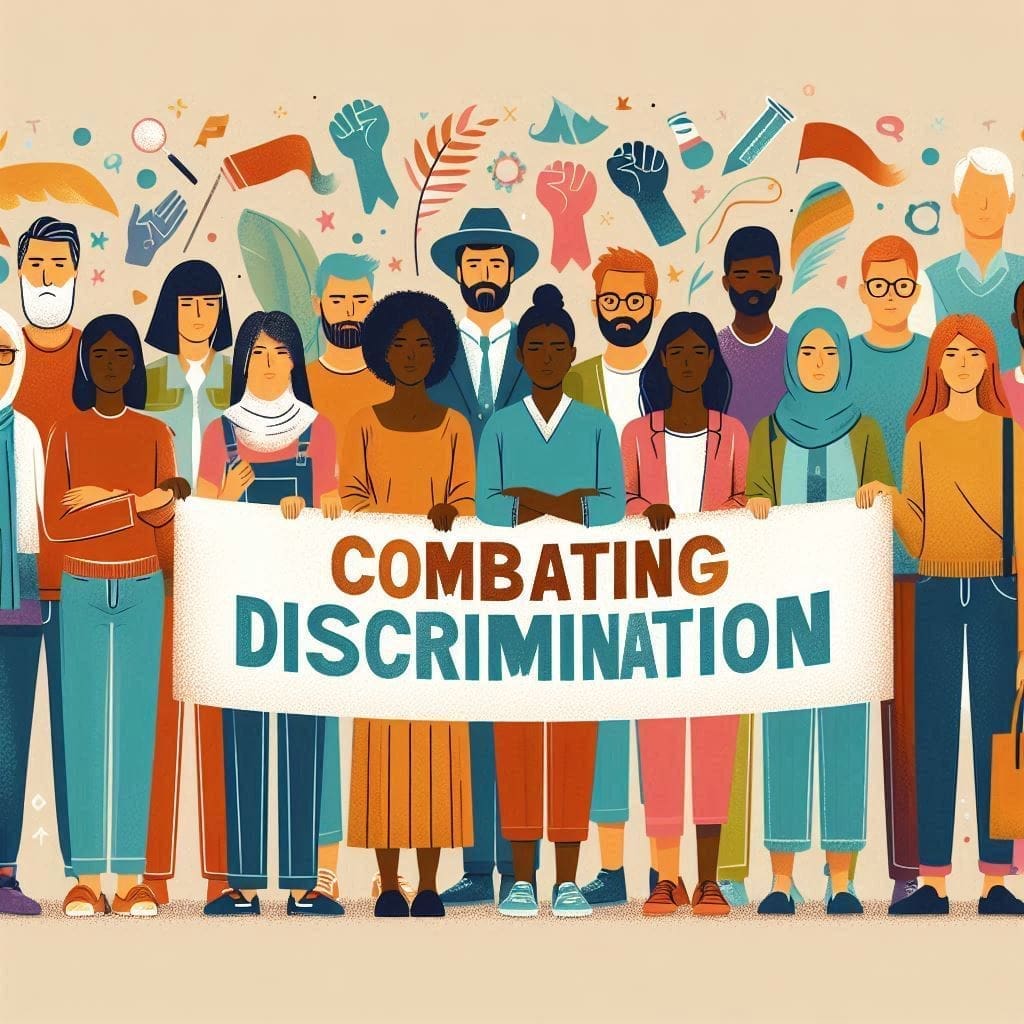
Racism is a deeply ingrained issue in our society that rears its ugly head in many different contexts, and unfortunately, the field of mental health is not exempt from this pervasive problem. Mental health patients who hold racist beliefs or exhibit racist behaviors present a unique challenge for mental health professionals, as they must navigate the complexities of addressing mental health issues while also confronting the harmful impacts of racism.
Racist mental health patients may exhibit a variety of problematic behaviors, from making racist remarks or jokes to outright discriminatory actions towards individuals of different races. These patients may have ingrained beliefs that certain racial or ethnic groups are inferior or deserve to be treated differently, and these beliefs can have serious consequences for their mental health treatment.
One of the key challenges in working with racist mental health patients is addressing the underlying beliefs and attitudes that contribute to their racist behaviour. Mental health professionals must use their skills and training to engage in difficult conversations with these patients, challenging their harmful beliefs and promoting understanding and empathy towards individuals of all races.
In addition to addressing the individual beliefs and behaviors of racist mental health patients, mental health professionals must also consider the broader systemic issues that contribute to racism in mental health care. This includes examining the ways in which systemic racism impacts access to mental health services, the quality of care provided, and the experiences of minority patients within the mental health system.
Ultimately, addressing racism in mental health care requires a multi-faceted approach that combines individual therapy, education, and advocacy for systemic change. Mental health professionals must be willing to engage in uncomfortable conversations, challenge harmful beliefs, and work towards creating a more inclusive and equitable mental health system for all patients.
Racism in mental health care is a complex and challenging issue, but it is one that must be addressed in order to provide effective and equitable care for all patients. By confronting the harmful impacts of racism and working towards a more inclusive and anti-racist mental health system, we can create a healthier and more just society for everyone.
Share this:

You Might Also Enjoy Reading