Tag: Racism

  • Confronting Racism in Mental Health Care

    Confronting Racism in Mental Health Care

    Advertisements

    Racist mental health patients may exhibit a variety of problematic behaviors, from making racist remarks or jokes to outright discriminatory actions towards individuals of different races. These patients may have ingrained beliefs that certain racial or ethnic groups are inferior or deserve to be treated differently, and these beliefs can have serious consequences for their mental health treatment.

    One of the key challenges in working with racist mental health patients is addressing the underlying beliefs and attitudes that contribute to their racist behaviour. Mental health professionals must use their skills and training to engage in difficult conversations with these patients, challenging their harmful beliefs and promoting understanding and empathy towards individuals of all races.

    In addition to addressing the individual beliefs and behaviors of racist mental health patients, mental health professionals must also consider the broader systemic issues that contribute to racism in mental health care. This includes examining the ways in which systemic racism impacts access to mental health services, the quality of care provided, and the experiences of minority patients within the mental health system.

    Ultimately, addressing racism in mental health care requires a multi-faceted approach that combines individual therapy, education, and advocacy for systemic change. Mental health professionals must be willing to engage in uncomfortable conversations, challenge harmful beliefs, and work towards creating a more inclusive and equitable mental health system for all patients.

    Racism in mental health care is a complex and challenging issue, but it is one that must be addressed in order to provide effective and equitable care for all patients. By confronting the harmful impacts of racism and working towards a more inclusive and anti-racist mental health system, we can create a healthier and more just society for everyone.

  • Understanding Racial Bias: Effects and Solutions

    Understanding Racial Bias: Effects and Solutions

    Advertisements

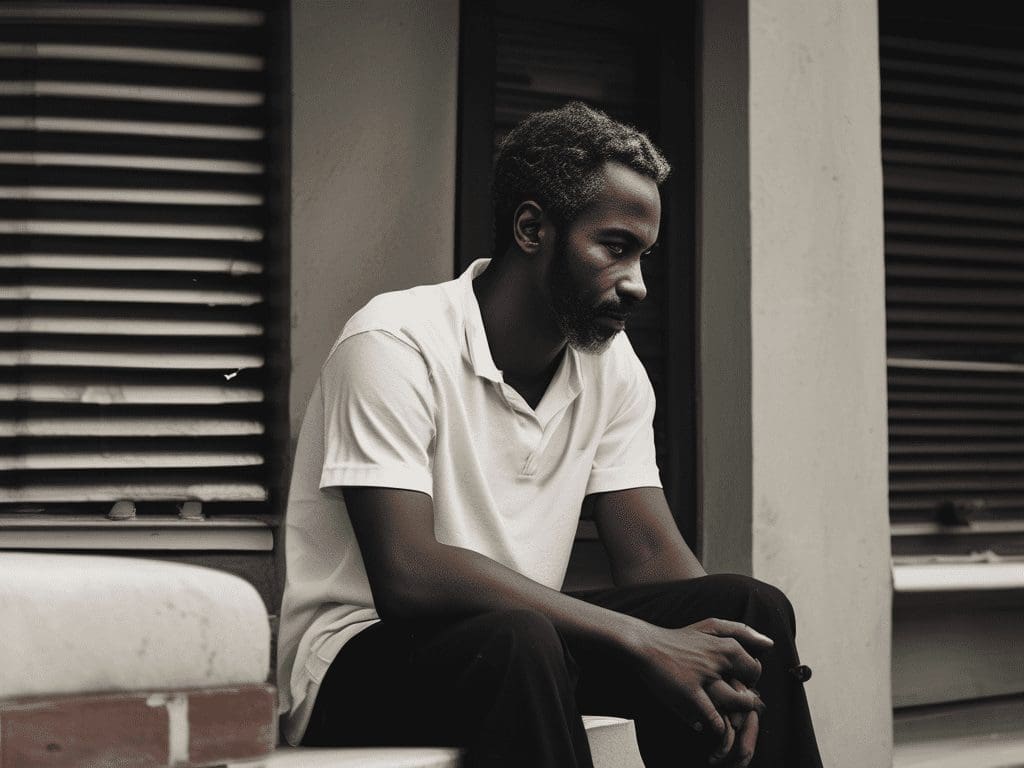
    At its core, racial bias is rooted in the systemic inequalities and injustices that have historically marginalised certain racial or ethnic groups. These biases can be perpetuated through cultural norms, media representation, education systems, and other societal institutions. As a result, individuals may internalise harmful stereotypes or biases about certain racial or ethnic groups, leading to discriminatory actions or attitudes.

    Racial bias can have profound effects on individuals and communities. It can impact a person’s self-esteem, mental health, and overall well-being. It can also limit opportunities for education, employment, housing, and healthcare, creating barriers to success and prosperity. Additionally, racial bias can contribute to social divisions and tensions, leading to conflict and polarisation within society.

    Addressing racial bias requires a multi-faceted approach that involves education, awareness, and action. By recognising and challenging our own biases, we can begin to dismantle the systems of oppression that perpetuate racial inequalities. It is essential to engage in open and honest conversations about race, privilege, and systemic racism, in order to create a more inclusive and equitable society for all.

    As individuals, we can also take concrete steps to combat racial bias in our everyday lives. This may involve actively listening to and amplifying the voices of marginalised communities, advocating for diversity and inclusion in our workplaces and communities, and supporting organisations that are dedicated to promoting racial justice and equality.

    Ultimately, eradicating racial bias requires a collective effort and a commitment to upholding the values of equality, diversity, and justice. By confronting our own biases, speaking out against discrimination, and working towards a more inclusive society, we can create a world where all individuals are valued and respected, regardless of their race or ethnicity.

  • Understanding Traumatic Racism: Impact and Long-lasting Effects

    Understanding Traumatic Racism: Impact and Long-lasting Effects

    Advertisements

    One particularly insidious form of racism is traumatic racism, in which a person is subjected to repeated instances of racial discrimination, microaggressions, and other acts of bigotry that can result in significant psychological harm. Traumatic racism can manifest in a variety of ways, from overt acts of violence and hatred to more subtle forms of discrimination that chip away at a person’s sense of self-worth and belonging.

    The impact of traumatic racism on individuals can be profound and long-lasting. Research has shown that experiencing racism can lead to a range of negative outcomes, including increased rates of anxiety, depression, and post-traumatic stress disorder. People who are exposed to traumatic racism may also develop a sense of hypervigilance, constantly on guard for potential acts of discrimination or violence.

    One of the most troubling aspects of traumatic racism is that it can often be dismissed or minimised by those who have not experienced it firsthand. People of colour who speak out about their experiences of racism may be accused of exaggerating or playing the “race card,” further compounding their sense of isolation and helplessness.

    It is important for all of us to acknowledge the reality of traumatic racism and to support those who have been affected by it. As a society, we must work together to combat racism in all its forms and to create a more inclusive and equitable world for all people. By listening to and amplifying the voices of those who have experienced traumatic racism, we can begin to build a more just and compassionate society for future generations.

  • Forensic Mental Health Interventions to Treat Racist Offenders

    Forensic Mental Health Interventions to Treat Racist Offenders

    Advertisements

    Forensic mental health interventions refer to treatments that are specifically tailored to individuals involved in the criminal justice system. These interventions aim to address the underlying issues that may have led to criminal behaviour, including mental health concerns. When it comes to racist offenders, these interventions can play a crucial role in helping individuals confront and change their prejudiced beliefs and behaviours.

    One common approach in forensic mental health interventions for racist offenders is cognitive-behavioral therapy (CBT). CBT focuses on changing negative thought patterns and beliefs, and replacing them with more positive and adaptive ones. In the context of racism, CBT can help individuals recognise and challenge their racist beliefs, as well as develop strategies to cope with and manage any underlying issues that may be contributing to their attitudes.

    Another key component of forensic mental health interventions for racist offenders is cultural sensitivity training. This type of intervention involves helping individuals explore and understand their own cultural background, as well as the cultural backgrounds of others. By increasing awareness and empathy, individuals can begin to see the humanity in those they have previously dehumanised due to their racist beliefs.

    Group therapy can also be an effective intervention for racist offenders. By participating in group sessions, individuals have the opportunity to share their experiences, receive feedback from others, and learn from those who have had similar struggles. Group therapy can help individuals feel less isolated in their journey towards change, and provide them with a sense of accountability and support.

    It is important to note that forensic mental health interventions for racist offenders must be implemented in a way that is culturally sensitive and respectful. Providers must be mindful of power dynamics and potential triggers, and work to create a safe and non-judgemental environment for individuals to explore and challenge their beliefs.

    While forensic mental health interventions are not a panacea for addressing racism, they can play a significant role in treating racist offenders and supporting them in their journey towards change. By providing individuals with the tools and support they need to confront their beliefs and behaviours, we can begin to chip away at the deep-rooted and harmful effects of racism in our society.

  • Can Racism Be Treated?

    Can Racism Be Treated?

    Advertisements

    Forensic psychotherapy is a specialised form of therapy that addresses the mental health needs of individuals who have been involved in the criminal justice system. This typically includes perpetrators of crime, but can also include victims and witnesses. In the context of racism, forensic psychotherapy can be a valuable tool for addressing the underlying issues that contribute to racist beliefs and behaviours.

    One key aspect of treating racism in forensic psychotherapy is exploring the individual’s underlying beliefs and attitudes towards race. This may involve delving into the individual’s personal history, experiences, and relationships to uncover any unconscious biases or stereotypes that may be influencing their thoughts and actions. By bringing these issues to light, the therapist can help the individual understand the roots of their racism and work towards changing their perspectives.

    Another important component of treating racism in forensic psychotherapy is addressing the impact of racism on the individual’s mental health. People who hold racist beliefs often experience elevated levels of stress, anxiety, and guilt, which can contribute to a range of psychological issues such as depression and substance abuse. By addressing these underlying mental health issues, therapists can help individuals better cope with and manage their racist tendencies.

    It is important to note that treating racism in forensic psychotherapy is not a quick or easy process. Racism is a complex and deeply ingrained phenomenon that is influenced by a multitude of factors, including social, cultural, and psychological influences. It requires a commitment to self-reflection, education, and ongoing therapy to truly address and overcome racist beliefs and behaviours.

    While forensic psychotherapy can be a valuable tool in treating racism, it is not the sole solution. Addressing racism requires a collective effort from individuals, communities, and institutions to challenge and dismantle systems of oppression and inequality. However, by providing individuals with the tools and support they need to confront and change their racist beliefs, forensic psychotherapy can play a valuable role in the broader fight against racism.

  • Introducing the Youtube series: All racists are narcissists

    Introducing the Youtube series: All racists are narcissists

    Play

    Hello everyone!

    Lately I have been focusing my time towards doing some research and I will be publishing the findings on my Youtube channel . In these series of episodes I will be describing the key terminology related to matter, and then I will touch on psychological theory, and neuropsychological research about racism and narcissism. So if you are interested in understanding the psychology of these phenomena, please tune in!

    And thank you for subscribing.

    Betshy P. Sanchez Marrugo