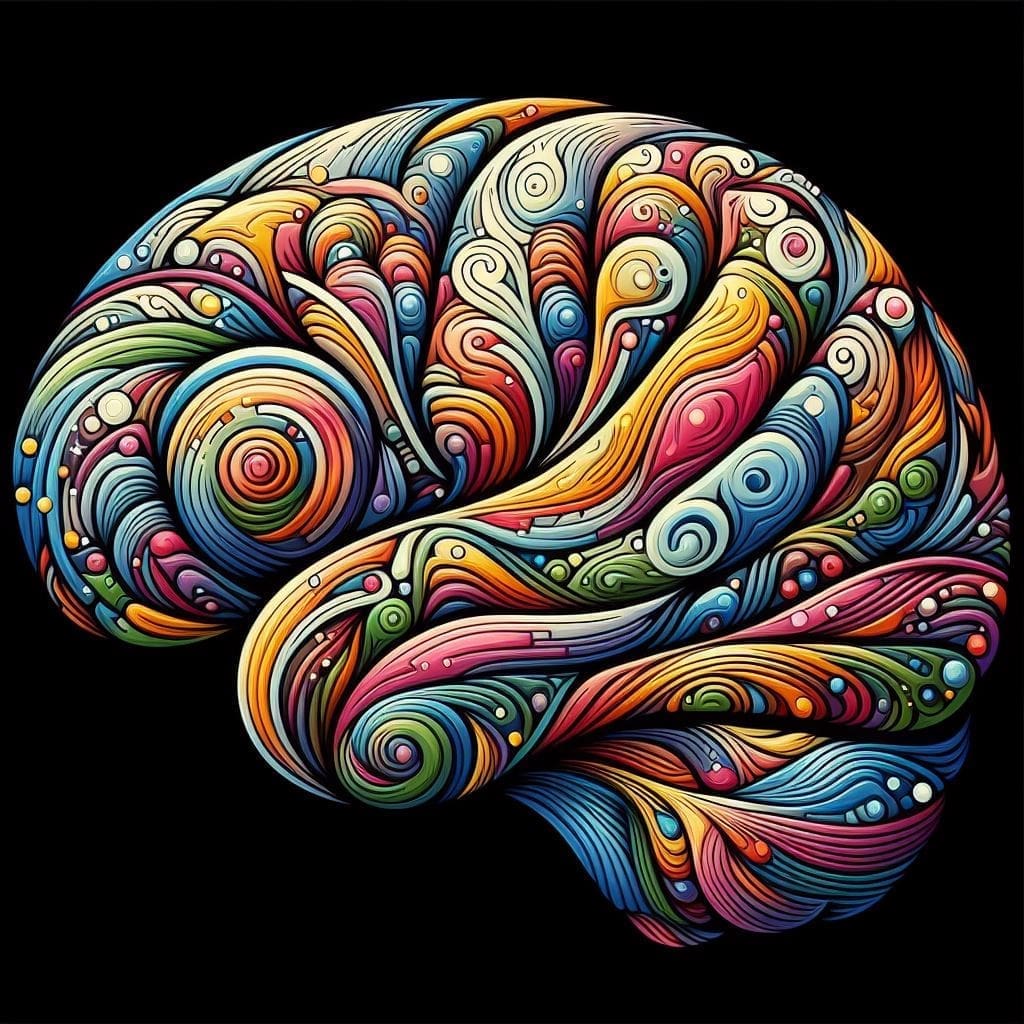

Histones are proteins that play a crucial role in packaging and organising the DNA in our cells. They work by wrapping around the DNA strands to form a structure called chromatin, which helps regulate gene expression. While the primary function of histones is to control gene activity, recent research has uncovered a surprising link between histones and mental health.
Studies have shown that changes in histone structure and function can significantly impact our psychological well-being. For example, alterations in the expression of certain histone-modifying enzymes have been associated with a range of mental health disorders, including depression, anxiety, and schizophrenia. These enzymes are responsible for adding or removing chemical tags on histones, which can alter how genes are turned on or off.
Genetic factors also play a role in mental health, and it is becoming increasingly clear that histones are at the intersection of genetics and psychological well-being. Certain genetic variants can affect how histones function, leading to dysregulation of gene expression and an increased risk of developing mental health disorders.
Furthermore, environmental factors such as stress, trauma, and exposure to toxins can also influence histone function. These external factors can cause changes in histone modifications, which in turn can impact gene expression and contribute to the development of mental health issues.
Understanding the role of histones in mental health is still a relatively new field of research, but the implications are profound. By uncovering how histones contribute to the development of mental health disorders, researchers may be able to identify new therapeutic targets and develop more effective treatments.
In conclusion, unravelling the role of histones in mental health provides valuable insights into the complex interplay between genetics and psychological well-being. By studying how histones regulate gene expression and how changes in histone function can influence mental health, we may be able to better understand and ultimately treat a range of mental health disorders. Further research in this area holds great promise for improving the lives of those affected by mental illness.
Share this:

You Might Also Enjoy Reading