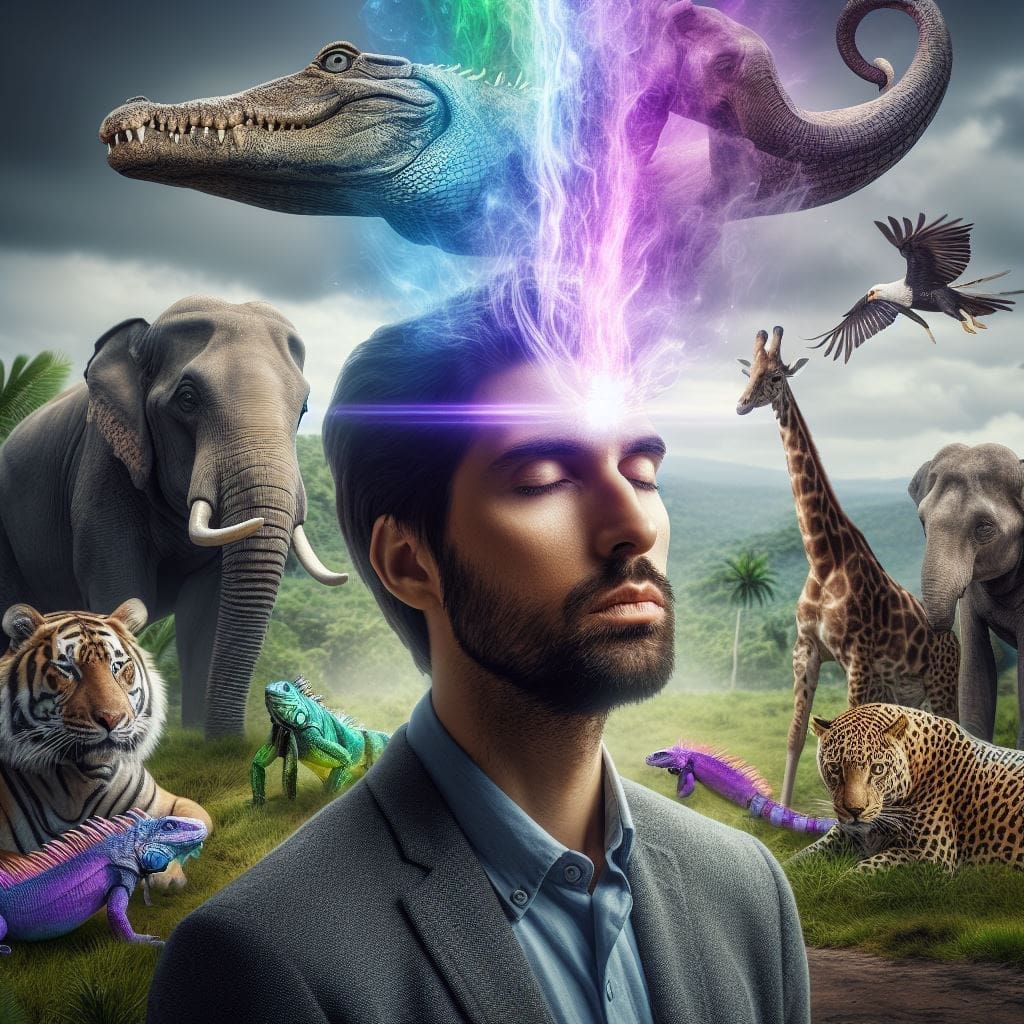
The concept of Thanatos, the death drive, has long been a prevalent and significant theme in literature and culture. Originating from Greek mythology as the personification of death, Thanatos has evolved into a powerful symbol representing the innate drive towards self-destruction and death. From ancient myths to modern narratives, the influence of Thanatos can be traced throughout various works of art, literature, and film.
In literature, Thanatos often manifests as a dominant force driving characters towards destruction or self-sabotage. In Shakespeare’s tragedy “Hamlet,” the protagonist’s obsession with death and desire for self-destruction can be seen as a manifestation of the death drive. Similarly, in Fyodor Dostoevsky’s novel “Crime and Punishment,” the protagonist’s guilt and self-destructive behaviour can be interpreted as a reflection of Thanatos.
In modern literature, Thanatos continues to be a prevalent theme, with authors exploring the darker aspects of human nature and the inevitability of death. In Cormac McCarthy’s “The Road,” the bleak and desolate landscape serves as a metaphor for the death drive, as characters struggle to survive in a post-apocalyptic world. In Sylvia Plath’s poetry, themes of death, despair, and self-destruction are prevalent, reflecting the author’s own struggles with mental illness and existential despair.
In popular culture, Thanatos can be seen in various forms, from horror films that explore themes of death and mortality to music that grapples with the darker aspects of human existence. The band Joy Division, for example, often explored themes of despair and self-destruction in their music, reflecting the influence of Thanatos on their work.
Overall, the concept of Thanatos in literature and culture serves as a powerful reminder of the inevitability of death and the darker aspects of human nature. By exploring themes of self-destruction, despair, and mortality, artists and creators are able to confront the darker aspects of the human experience and reflect on the fragility of life. Thanatos continues to be a prevalent and enduring theme in literature and culture, shaping the way we understand and grapple with our own mortality.
Share this:

You Might Also Enjoy Reading