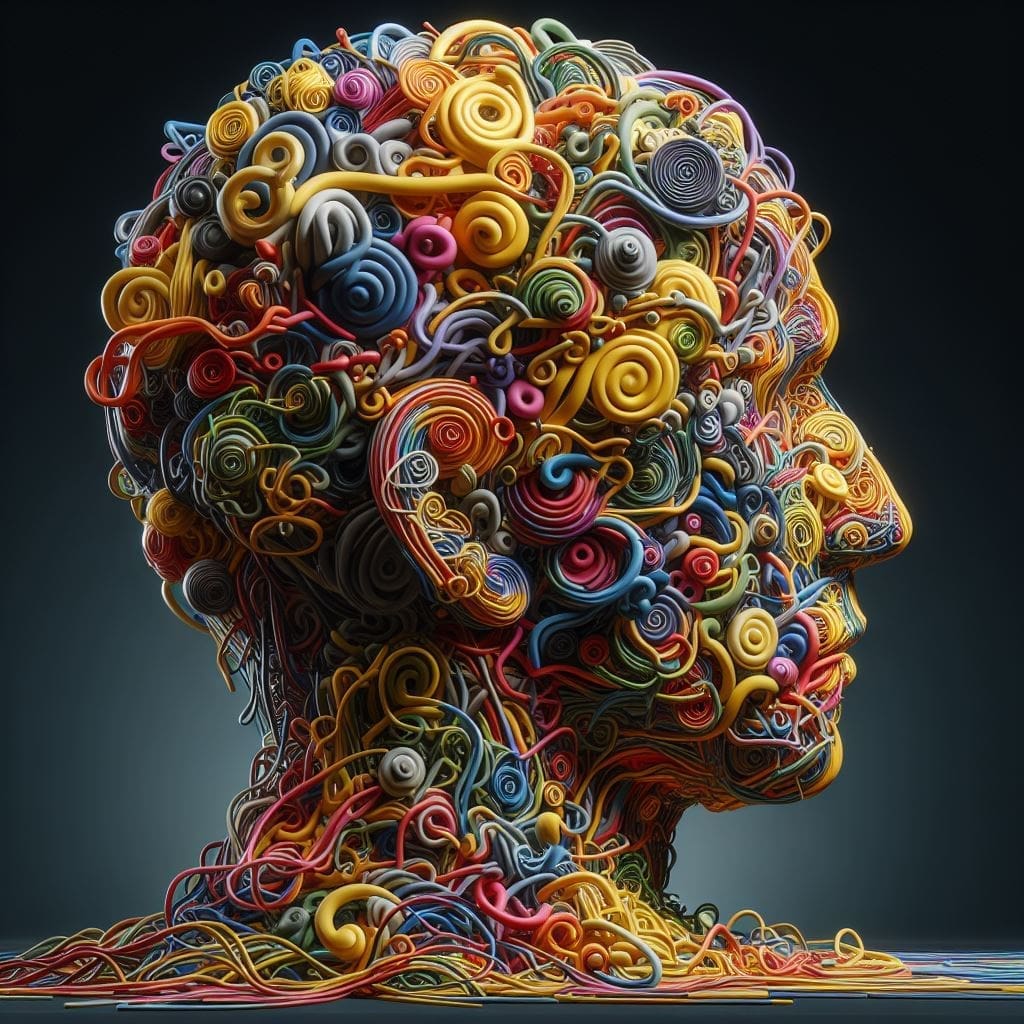
The criminal justice system is a vital pillar of society, aimed at maintaining law and order while rehabilitating and punishing wrongdoers. Behind this system lies a maze of intricate psychological factors, influencing everything from police decision-making to judicial sentencing. In the United Kingdom, understanding the psychology of the criminal justice system is essential to drive meaningful reforms and ensure a fair and just society. This blog post delves into the psychology that underpins key aspects of the UK criminal justice system, shedding light on its strengths and potential areas for improvement.
The Human Element in Policing
Law enforcement officers are at the forefront of the criminal justice system, responsible for identifying suspects, apprehending criminals, and gathering evidence. However, their decision-making is not immune to psychological biases. Studies have shown that unconscious biases, such as racial profiling or confirmation bias, can influence police actions, leading to disparities in arrest rates and potential miscarriages of justice. Recognising these biases, the need for diversity and cultural competency training within police forces is crucial to ensure fair treatment of all citizens regardless of their backgrounds.
The Impact of Perception on Jury Decisions
The jury system is a cornerstone of the UK’s legal framework. However, the psychology of perception can significantly influence jury decisions. Studies suggest that jurors’ understanding of complex evidence, susceptibility to cognitive biases, and their ability to remain impartial can impact the outcome of criminal trials. It is vital to provide jurors with comprehensive guidance and support to minimise the impact of potentially biased decision-making, which can adversely affect the fairness and integrity of the criminal justice system.
Psychological Factors in Sentencing
The discretionary power of judges during sentencing plays a pivotal role in shaping the outcomes of criminal cases. The psychology of sentencing involves weighing various factors like the seriousness of the crime, the defendant’s culpability, and potential risk of reoffending. However, research has identified the existence of cognitive biases, such as the “availability heuristic,” where judges’ decisions can be influenced by the emotional salience of specific cases. Implementing evidence-based guidelines and judicial training programs may mitigate the impact of biases, promoting consistency and fairness in sentencing.
Addressing Offender Rehabilitation
The importance of rehabilitation within the criminal justice system cannot be overstated. Understanding the psychological factors behind offenders’ motivations and behaviours is essential for successful rehabilitation efforts. Integration of psychological assessments, therapeutic interventions, and evidence-based practices within custodial and community settings can enhance offender rehabilitation outcomes. By addressing ingrained behavioural patterns and promoting personal growth, the system can better facilitate their successful reintegration into society, reducing reoffending rates.
Conclusion
The psychology of the criminal justice system in the UK is a multifaceted and dynamic subject, necessitating ongoing research and reforms. Acknowledging and addressing inherent biases at various stages of the criminal justice process – from policing to sentencing – is crucial to ensure fairness and justice for all individuals involved. By developing a comprehensive understanding of the psychological factors that shape decision-making, the UK can continuously improve its criminal justice system to better serve communities, protect individual rights, and promote rehabilitation over retribution.
Share this:

You Might Also Enjoy Reading