
Joseph Goebbels was one of the most notorious figures in Nazi Germany, serving as the Minister of Propaganda for Adolf Hitler’s regime. He was a master manipulator who utilised various propaganda techniques to spread the ideologies of the Nazi Party and control the minds of the German populace.
One of the key techniques used by Goebbels was the repetition of simple and catchy slogans. These slogans were often short and easy to remember, making them very effective in conveying the Nazi message. One of the most famous slogans used by the Nazis was “Ein Volk, ein Reich, ein Führer” (One people, one empire, one leader), which emphasised unity and loyalty to Hitler.
Another technique employed by Goebbels was the use of scapegoating and demonetisation of certain groups, particularly the Jewish population. By blaming the Jews for Germany’s economic woes and portraying them as a threat to the nation, Goebbels fuelled anti-Semitic sentiments among the German people, leading to widespread discrimination and violence against Jewish individuals.
Goebbels also controlled the media in Germany, ensuring that only pro-Nazi viewpoints were allowed to be disseminated. Any dissenting voices or information that contradicted the Nazi narrative were suppressed or censored. This manipulation of information helped to create a skewed reality for the German people, where they were only exposed to propaganda that reinforced Nazi beliefs.
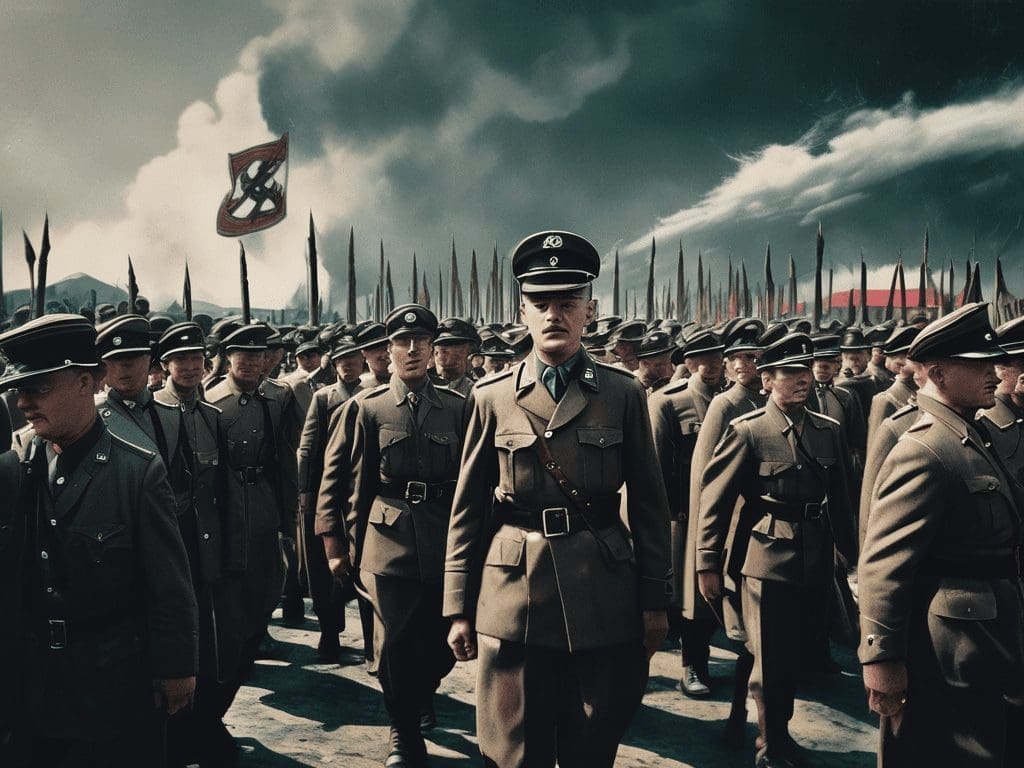
Furthermore, Goebbels utilised the power of visual propaganda, including posters, films, and rallies, to create a sense of unity and excitement among the German population. These visual representations often depicted Hitler as a strong and charismatic leader, while demonising the enemies of the Nazi Party. By appealing to emotions and invoking nationalistic sentiments, Goebbels was able to rally support for the Nazi cause and glorify the regime in the eyes of the people.
Overall, Joseph Goebbels’ propagandist techniques were incredibly effective in manipulating public opinion and shaping the beliefs of the German population during the Nazi era. By controlling the media, using catchy slogans, scapegoating certain groups, and utilising visual propaganda, Goebbels was able to indoctrinate the masses and garner support for the oppressive policies of the Nazi Party. His legacy serves as a stark reminder of the dangerous power of propaganda and the importance of critical thinking in the face of manipulation and misinformation.
Share this:

You Might Also Enjoy Reading