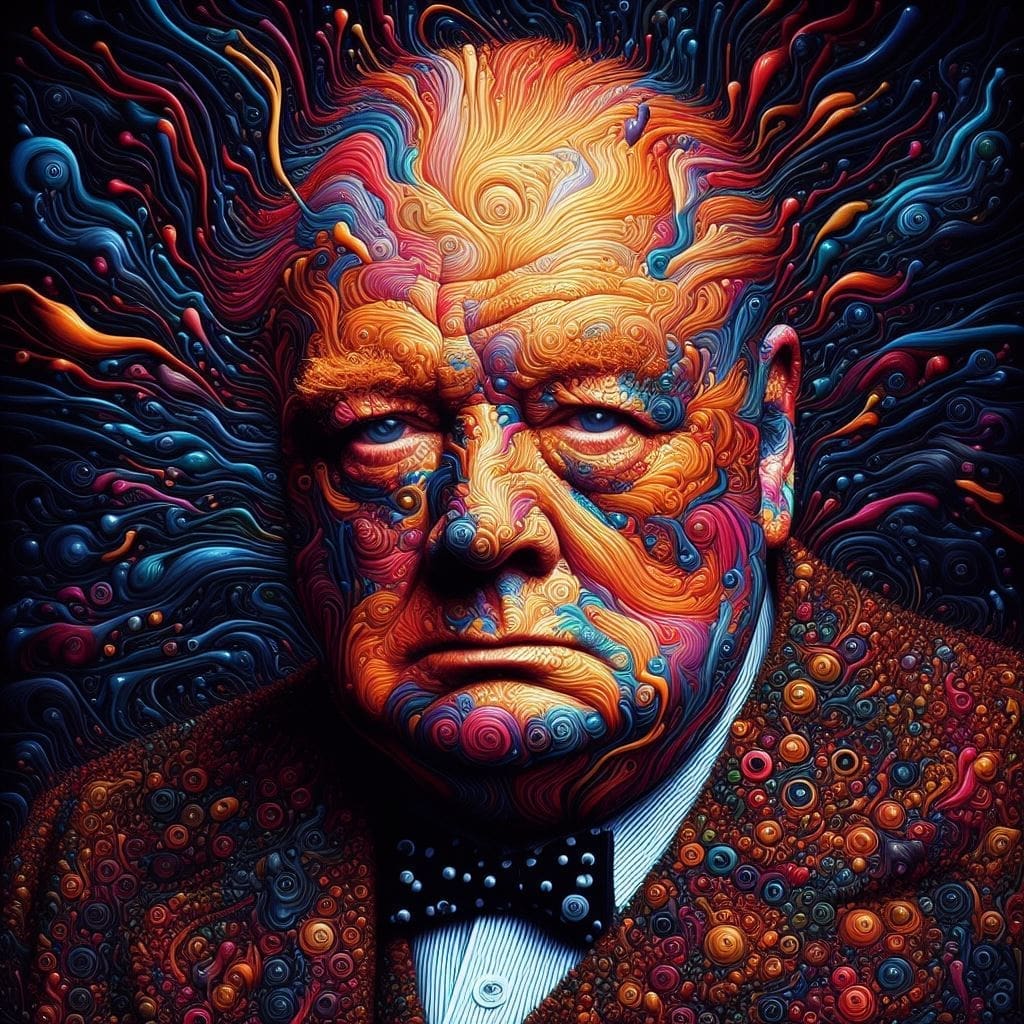

Winston Churchill is perhaps one of the most well-known and revered political figures in modern history. His leadership during World War II and his famous speeches have solidified his place in history as one of the greatest statesmen of all time. But beyond his charismatic persona and stirring rhetoric, Churchill’s legacy is also defined by a set of key concepts that shaped his worldview and guided his decision-making throughout his career.
One of the key concepts that defined Churchill’s approach to leadership was his unwavering belief in the importance of moral courage. He was never one to shy away from difficult decisions or sugarcoat the realities of war, and he firmly believed that leaders must have the courage to stand up for what is right, even in the face of overwhelming opposition. This trait was perhaps best exemplified during the early days of World War II, when Churchill’s refusal to negotiate with Hitler and his steadfast resolve to fight on against all odds galvanised the British people and inspired a sense of national unity that ultimately led to victory.
Another important concept that Churchill embodied was the idea of resilience and perseverance in the face of adversity. Throughout his political career, Churchill faced numerous setbacks and failures, including being dismissed from office multiple times and enduring personal tragedies. But he never wavered in his commitment to serving his country and fighting for its values, always bouncing back stronger and more determined than before. This resilience in the face of adversity is a key lesson that leaders can learn from Churchill, showing that success often requires the ability to persevere through tough times and never give up on your goals.
Finally, Churchill’s concept of strategic thinking and long-term planning was another hallmark of his leadership style. He was a master strategist who always kept his eye on the bigger picture and understood the importance of planning ahead and anticipating future challenges. This ability to think strategically and plan for the long term was crucial during World War II, as Churchill was able to anticipate and counter the tactics of the enemy and steer the course of the war towards victory.
In conclusion, Winston Churchill’s key concepts of moral courage, resilience, and strategic thinking are timeless lessons that can still be applied to modern-day leadership challenges. His legacy as a great statesman and wartime leader will continue to inspire generations to come, reminding us of the power of strong principles, perseverance, and strategic foresight in the face of adversity.
Share this:

You Might Also Enjoy Reading