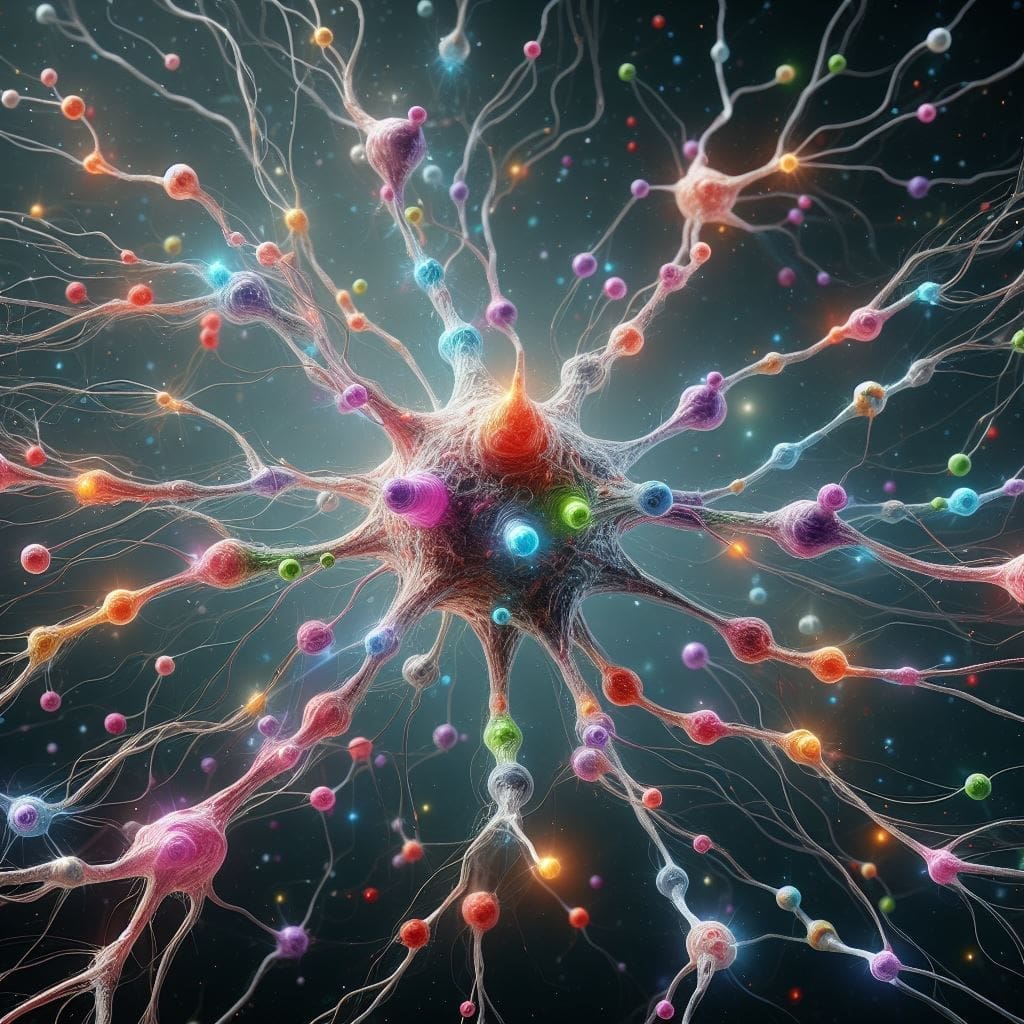

Personality is a fascinating aspect of human identity that has intrigued scholars and researchers for centuries. It is the unique pattern of enduring thoughts, emotions, and behaviours that distinguishes one individual from another. Understanding personality can shed light on why people behave the way they do, making it a compelling subject to explore within the realms of psychology.
From the time of ancient Greek philosophers to the modern-day psychoanalysts, numerous theories have emerged to explain personality. Each theory offers its own lens to perceive and interpret the complexities of human behaviour. While no single theory can fully capture the intricacies of personality, they all contribute to a deeper understanding of what makes individuals tick.
Freud’s psychoanalytic theory, for instance, suggests that personality is largely driven by unconscious desires and motivations. According to Freud, the mind is divided into three distinct regions – the id, ego, and superego. The id operates on the pleasure principle and seeks immediate gratification, while the superego represents internalised societal norms and acts as a moral compass. The ego mediates between the id and superego, balancing instinctual drives with societal constraints.
In contrast, humanistic theories, such as Maslow’s hierarchy of needs and Roger’s self-actualisation theory, emphasise the individual’s inherent drive towards personal growth and fulfilment. These theories posit that people are not merely driven by unconscious desires but also possess the capacity for self-awareness, free will, and conscious decision-making. Humanistic psychologists argue that individuals strive to reach their full potential and seek experiences that promote personal development and self-discovery.
Another influential perspective on personality is the trait theory, which suggests that personality can be described and understood in terms of a set of distinct traits. Traits are relatively stable characteristics that influence an individual’s behaviour across different situations. Researchers have identified various traits, such as extroversion, neuroticism, agreeableness, conscientiousness, and openness to experience. Trait theories provide a way to categorise individuals based on their characteristic patterns of behaviour, providing insight into predictable behavioural tendencies.
More recent theories, such as the social cognitive theory, focus on the interaction between individuals and their environment. This perspective suggests that personality develops through a continuous reciprocal process that involves cognitive processes, social interaction, and observation of others. Social cognitive theorists argue that individuals learn and acquire new behaviours through observation, imitation, and modelling. This theory emphasises the importance of both individual factors and environmental influences in shaping one’s personality.
While these theories offer different explanations for personality development and individual differences, they all contribute to a broader understanding of human beings and their intricate psyche. It is important to note that personality is not fixed and can evolve over time and through various experiences. Our upbringing, social interactions, personal goals, and the overall context of our lives all play crucial roles in shaping who we are.
Understanding the psychology of personality can have significant practical implications in various fields, such as clinical psychology, counselling, career development, and even everyday interactions. It can help us comprehend our own behaviour and motivations, recognise patterns in our relationships, and empathise with others. It can also aid therapists and counsellors in tailoring interventions to meet the unique needs of each individual, and guide organisations in creating an environment that fosters personal growth and employee satisfaction.
In conclusion, the psychology of personality is a captivating field that unravels the complexities of human identity. While no single theory can fully capture the intricacies of personality, the various perspectives offer valuable insights into what makes individuals unique. By understanding personality, we can gain a deeper understanding of ourselves and others, fostering personal growth, and creating more harmonious relationships in our personal and professional lives.
Share this:

You Might Also Enjoy Reading