


Totalitarianism is a concept that has captivated scholars, activists, and psychologists alike for decades. At its core, this political ideology aims to establish complete control over every aspect of society, subjugating individuals and eroding the principles of democracy. While the political mechanics of totalitarian states have been extensively studied, this blog post delves into the often-overlooked psychological aspects that facilitate and perpetuate such systems.
1. The Manipulation of Fear
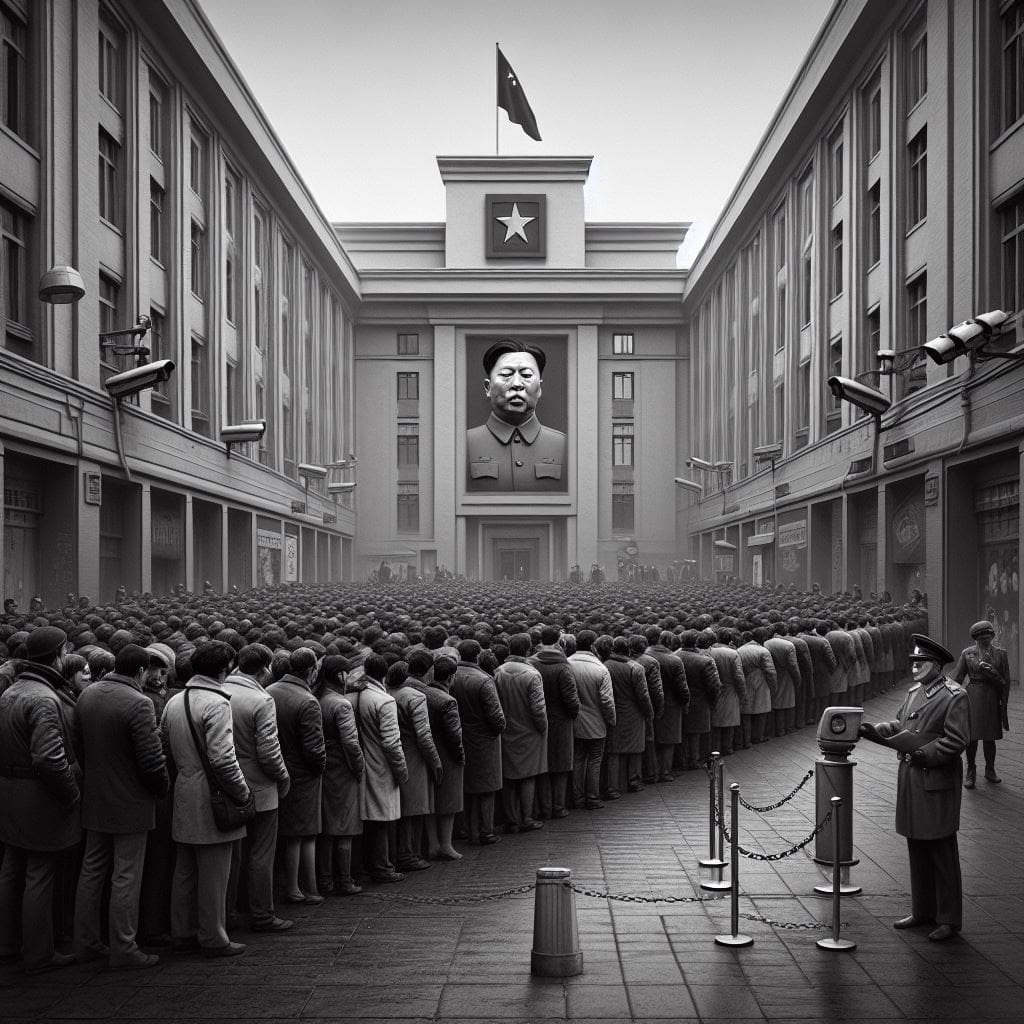
Totalitarian regimes often arise by exploiting the fears and anxieties of individuals within society. The leaders skilfully employ propaganda, misinformation, and mass surveillance to create a heightened state of insecurity. By crafting a narrative that asserts an imminent threat or enemy, they manipulate the collective psychology to gain unwavering loyalty and obedience.
2. The Cult of Personality
Many totalitarian leaders present themselves as supreme figures, embodying charisma and divine authority. They tap into human psychological needs for belonging, hope, and a strong leader, elevating themselves to an almost god-like status. This cult of personality enables them to maintain a stranglehold on society, as followers become increasingly reliant on their guidance and validation.
3. The Suppression of Dissent and Individuality
Totalitarian regimes suppress dissent and strive for conformity. Through propaganda, censorship, and control over education, they mould public opinion to align with their ideology. By fostering fear of expressing dissenting views, these regimes eliminate alternative perspectives that challenge their control. This suppression of individuality perpetuates the regime’s power dynamics and prevents collective critical thinking.
4. The Role of Cognitive Dissonance
Cognitive dissonance, the psychological discomfort arising from holding contradictory beliefs or actions, plays a pivotal role in totalitarian systems. Citizens, despite experiencing oppression and witnessing injustice, often develop irrational justifications for the regime’s actions. This cognitive dissonance arises from a need to maintain consistency with the dominant narrative, even when it contradicts their own experiences or moral values.
5. The Power of Indoctrination
Totalitarian regimes heavily rely on indoctrination through education and socialisation processes, shaping the minds of future generations. By controlling the information provided, disseminating biased historical accounts, and manipulating curricula, these regimes instil a distorted worldview that breeds loyalty to the ruling ideology. Such indoctrination ensures the perpetuation of totalitarianism through generations.
Conclusion
Understanding the psychology behind totalitarianism is of paramount importance in safeguarding democratic societies against its potential emergence. By recognising the manipulation of fear, the cult of personality, the suppression of dissent, the role of cognitive dissonance, and the power of indoctrination, individuals empower themselves to detect and resist any encroachments on their rights and liberties. As history has shown, it is through psychological awareness and critical thinking that we can protect the integrity of democratic societies and promote freedom for all.
Share this:

You Might Also Enjoy Reading


