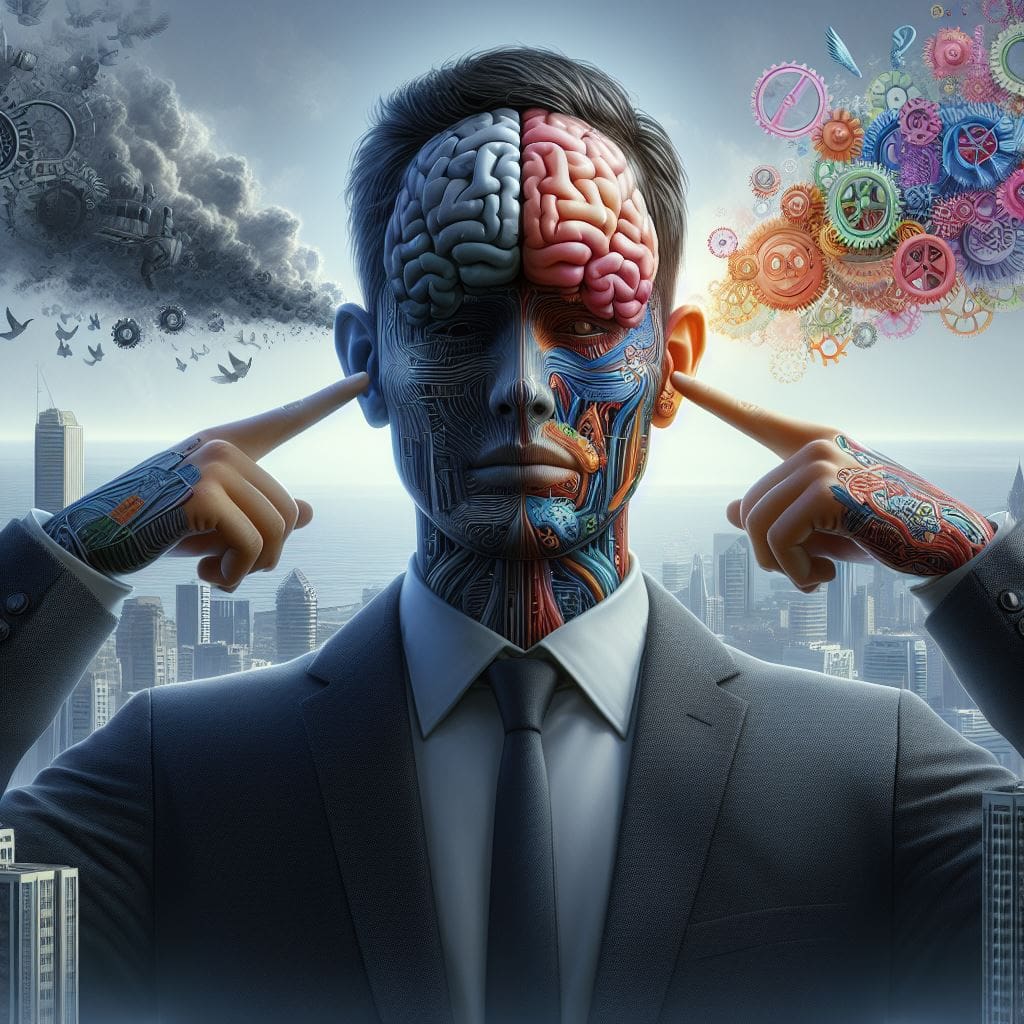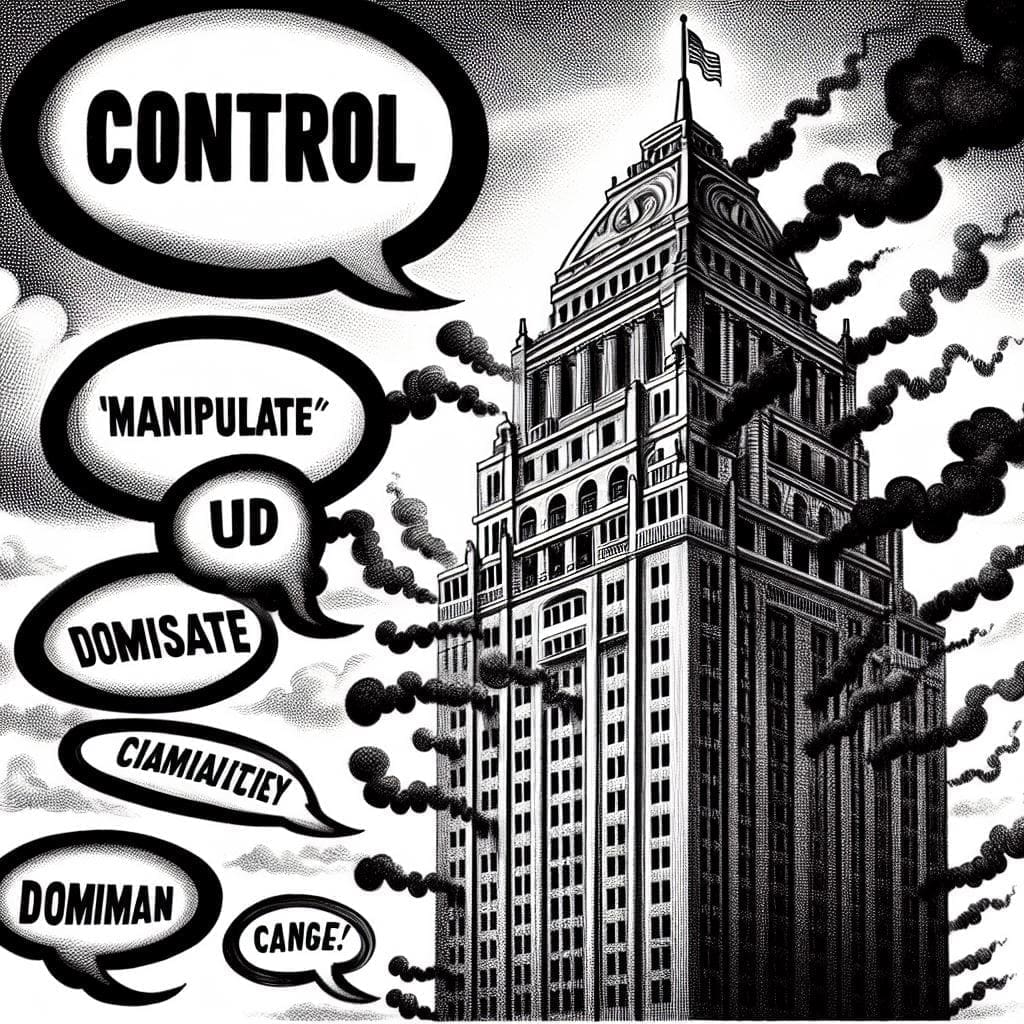

Michel Foucault, a renowned French philosopher and social theorist, sought to analyse the interplay between language and power in his concept of discourse. In Foucault’s view, discourse is not merely about communication or language, but rather a system of power relations that shape how individuals think, behave, and interact with the world around them. This power is not exerted through overt force or coercion, but rather through subtle and pervasive mechanisms that are embedded in language and communication.
One key aspect of Foucault’s concept of discourse is the idea that language is not neutral or objective, but is instead imbued with power dynamics that reflect and reinforce existing power structures. This means that the way we speak, the words we use, and the meanings we assign to them are not arbitrary, but are influenced by social norms, institutions, and power dynamics. As a result, language can be used to assert, reinforce, or challenge power relations within society.
Foucault also believed that discourse is not just a tool for communication, but is actually constitutive of reality itself. In other words, the way we talk about the world shapes how we understand and experience it. This means that language is not just a reflection of reality, but actively constructs and defines our understanding of the world. This has profound implications for how power operates in society, as those who control the dominant discourse have the power to shape how reality is perceived and understood by others.
Furthermore, Foucault argued that discourse is not just a reflection of power relations, but is actually a material force that structures and shapes our lives in tangible ways. This can be seen in how language is used to categorise and classify individuals, groups, and identities, and how these classifications can serve to marginalise, exclude, or oppress certain groups. For example, the way we talk about race, gender, or sexuality can have real-world consequences for how those identities are perceived and treated within society.
Overall, Foucault’s concept of discourse highlights the intricate and complex relationship between language and power. Language is not just a means of communication, but a powerful tool that shapes our understanding of the world and our place within it. By understanding how discourse operates and influences our lives, we can begin to challenge and resist the power dynamics that seek to control and oppress us.
Share this:

You Might Also Enjoy Reading