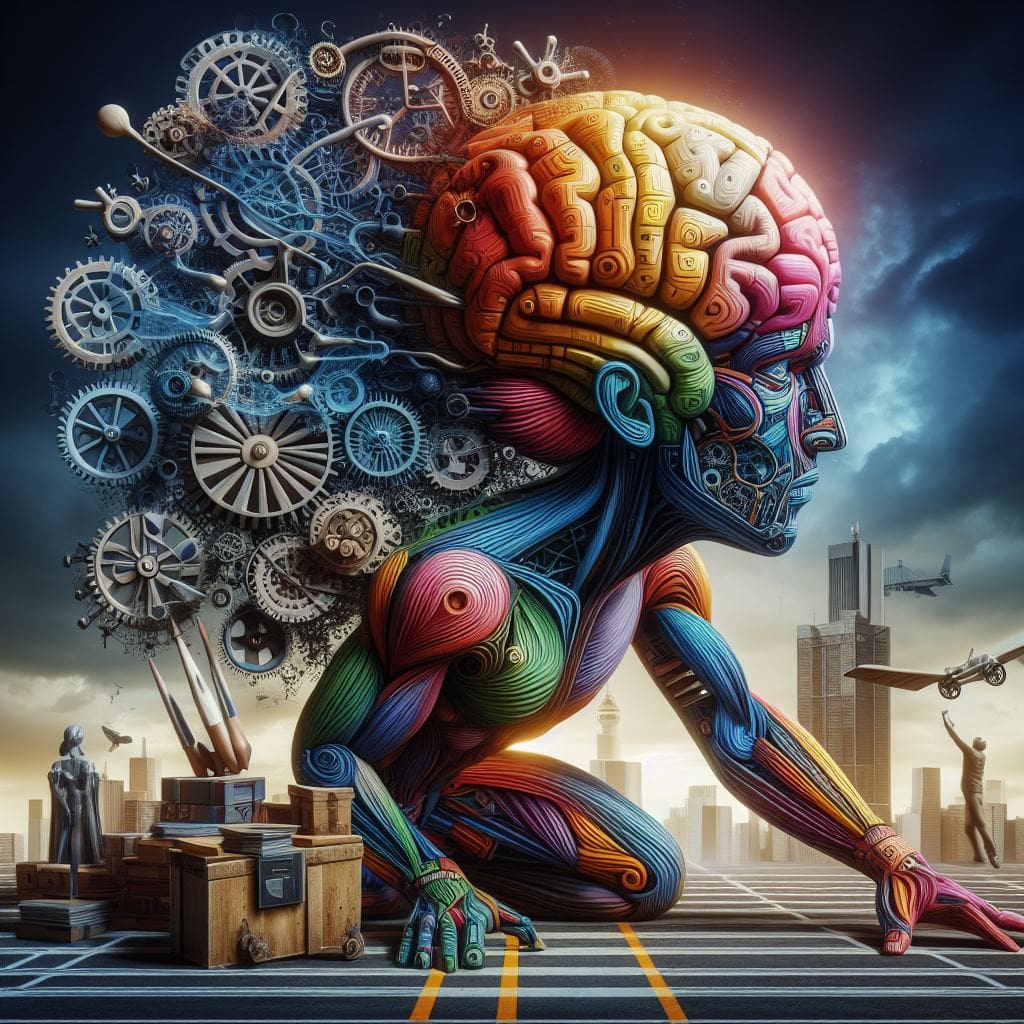
The human mind is as intriguing as it is complex, with countless facets contributing to our individualities. Among the vast array of psychological phenomena is the concept of masochism, which has long captivated researchers, philosophers, and artists. Often misperceived, masochism, in its essence, encompasses a range of psychological states, behaviours, and desires that can shed light on the intricacies of human nature, self-perception, and personal fulfilment.
Understanding Masochism
Masochism is commonly associated with deriving pleasure or fulfilment from experiences of pain, humiliation, or domination. However, this commonly held view only scratches the surface of a far more complex psychological landscape. Expert psychologists argue that masochistic tendencies can manifest in a variety of forms, catering to different psychological and emotional needs.
Forms of Masochism
1. Sexual Masochism: Sexual masochism is perhaps the most widely recognised form of masochistic behaviour. It involves deriving sexual pleasure from experiencing pain, control, or submission within a consensual context. It is important to emphasise that any practice must always adhere to the principles of mutual consent, trust, and respect.
2. Emotional Masochism: Emotional masochism, on the other hand, pertains to an individual’s propensity to continuously subject themselves to emotional pain or turmoil. This form of masochism may be rooted in underlying emotional trauma, feelings of unworthiness, or a desire for punishment. It can manifest in cycles of self-destructive relationships, self-sabotage, or deliberately seeking out hardships for a sense of emotional release.
3. Aesthetic Masochism: Aesthetic masochism focuses on a person’s attraction to situations, art, or experiences that may be physically or psychologically overwhelming. It involves voluntarily enduring discomfort, pain, or challenging situations to achieve personal growth or transcendence. Examples include extreme sports, endurance challenges, or consuming emotionally distressing art forms.
Understanding the Motivations
1. Self-Exploration and Healing: For some individuals, engaging in masochistic behaviour may be an avenue for exploring internal conflicts or unresolved traumas. By reenacting or confronting painful experiences, they may hope to gain a deeper understanding, find catharsis, or facilitate healing through gradual exposure to their fears or discomfort.
2. Empowerment and Control: Paradoxically, masochistic tendencies may also arise from an inherent need for control. By willingly choosing to endure pain or submit to another’s authority, individuals may feel a sense of empowerment and control over their own experiences. This can be empowering for those who might feel overwhelmed or powerless in other aspects of their lives.
3. Intensity and Emotional Release: For a subset of individuals, masochistic undertones can add intensity to emotional experiences. The combination of pain, vulnerability, and surrender can facilitate the release of deeply held emotions and provide a sense of profound relief or self-validation.
Navigating the Roadblocks: Although masochistic tendencies can be a valid expression of one’s desires and personal fulfilment, it is crucial to differentiate consensual participation from harmful and non-consensual situations. Understanding one’s motivations, establishing boundaries, and prioritising self-care are vital aspects to ensure that engaging in masochistic behaviour remains safe, healthy, and fulfilling.
Conclusion
Exploring the psychology of masochism unravels numerous facets of the human mind, unveiling the complexities of personal desires, motivations, and self-perception. Rather than focusing on the misconceptions surrounding masochism, embracing a deeper understanding allows us to appreciate the variety of ways individuals seek gratification, healing, and personal growth. It reminds us that, ultimately, the human experience is as diverse as the individuals who inhabit it.
Share this:

You Might Also Enjoy Reading