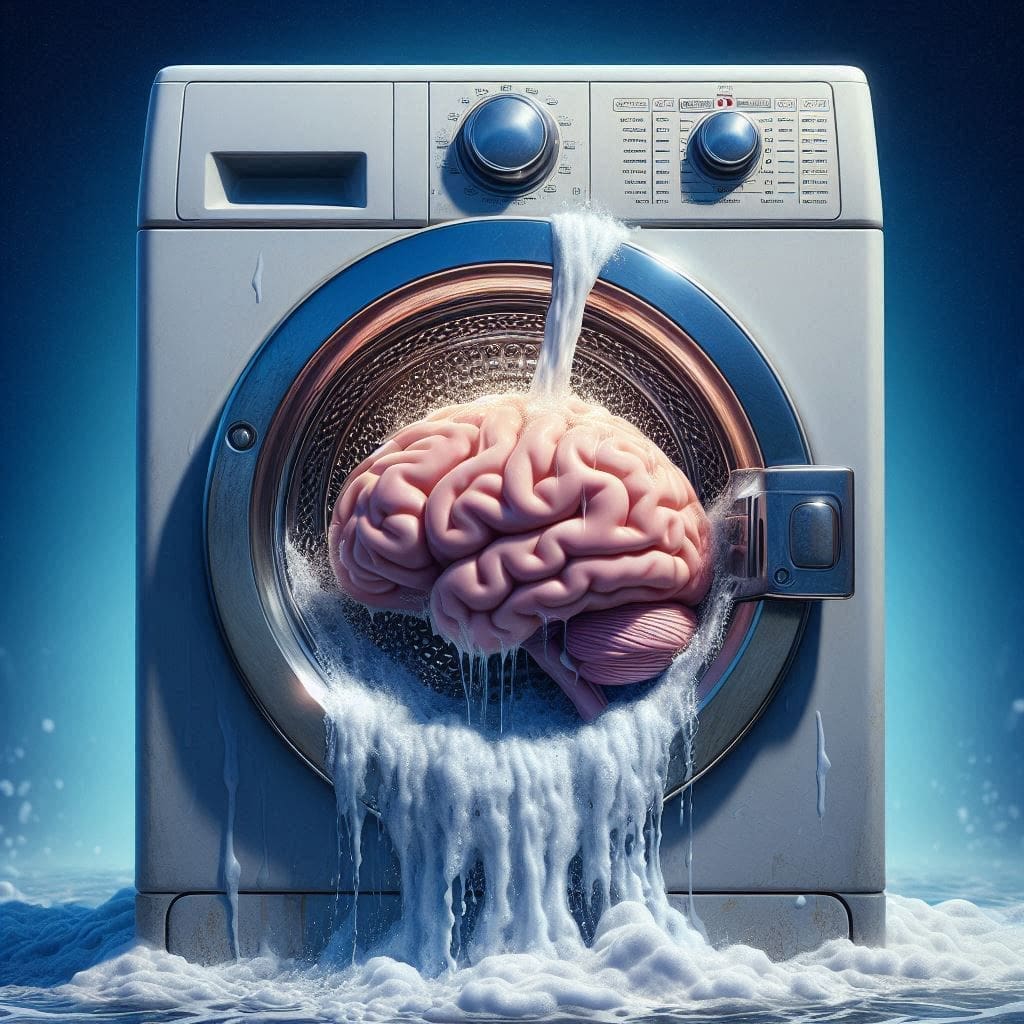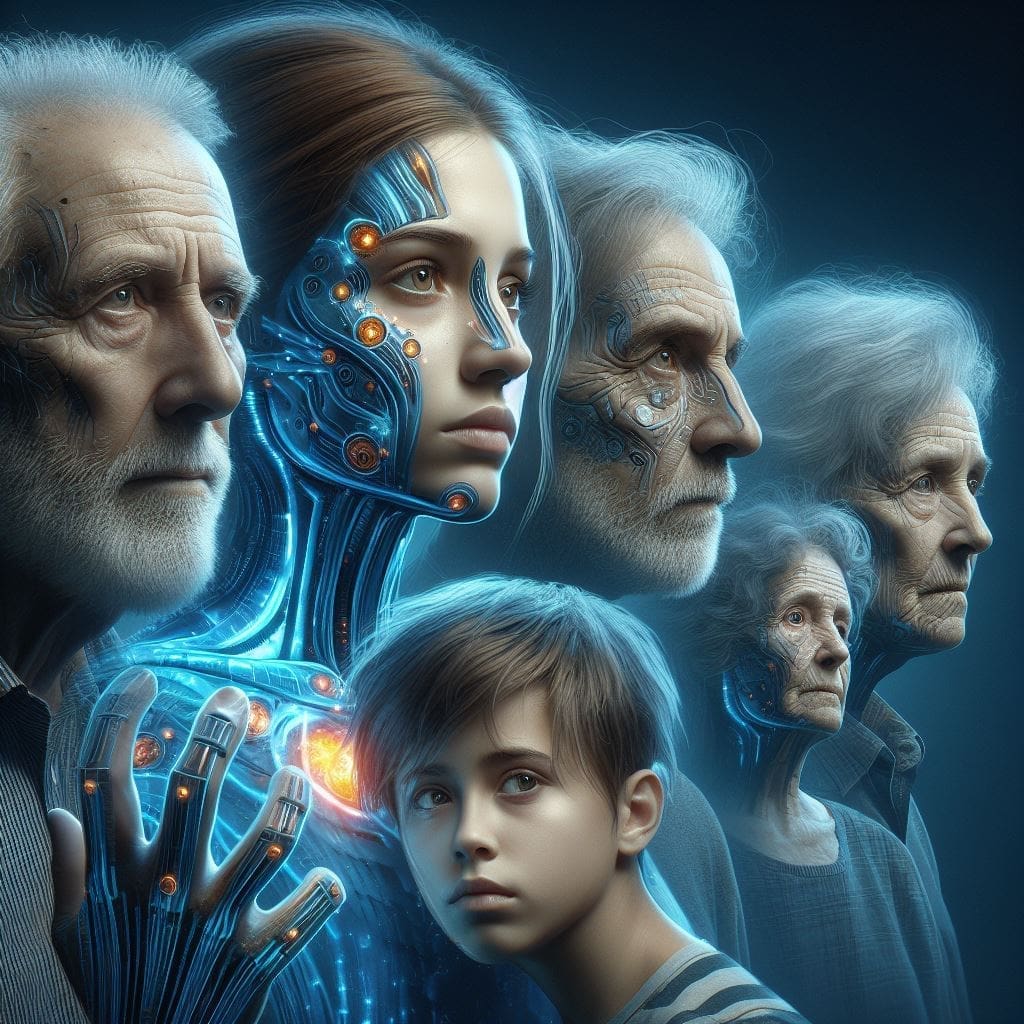

Intergenerational trauma is a topic that has received increasing attention in recent years, as researchers and mental health professionals have started to recognise the profound impact that traumatic experiences can have on multiple generations within a family. This type of trauma can have lasting effects on individuals and families, shaping their beliefs, behaviours, and overall well-being.
So what exactly is intergenerational trauma? It refers to the transmission of trauma from one generation to the next, often through behaviours, beliefs, and coping mechanisms that are passed down within families. This can occur in various ways, such as through direct exposure to trauma, witnessing traumatic events, or even through the psychological and emotional impact that trauma has on a parent or caregiver.
One of the key aspects of intergenerational trauma is the way in which it can manifest in individuals. For example, a person who has experienced trauma may struggle with symptoms of PTSD, anxiety, depression, or substance abuse, which can then be passed down to their children or grandchildren. This can create a cycle of trauma within a family, where each generation is affected by the experiences of those who came before them.
Additionally, intergenerational trauma can also impact the way in which families communicate, relate to one another, and process emotions. Individuals who have experienced trauma may be more likely to engage in dysfunctional or unhealthy behaviours, which can then be perpetuated within their families. This can create a toxic cycle of dysfunction and pain that can be challenging to break.
It is important to recognise that intergenerational trauma is a complex and multifaceted issue that requires a holistic approach to healing. This may involve individual therapy, family therapy, support groups, and other forms of intervention that can help individuals and families process and heal from their traumatic experiences.
By understanding the impact of intergenerational trauma and seeking help when needed, individuals and families can begin the journey towards healing and breaking the cycle of trauma within their families. It is important to remember that healing is possible, and that with the right support and resources, individuals can overcome the effects of intergenerational trauma and create healthier, happier lives for themselves and future generations.

Share this:

You Might Also Enjoy Reading