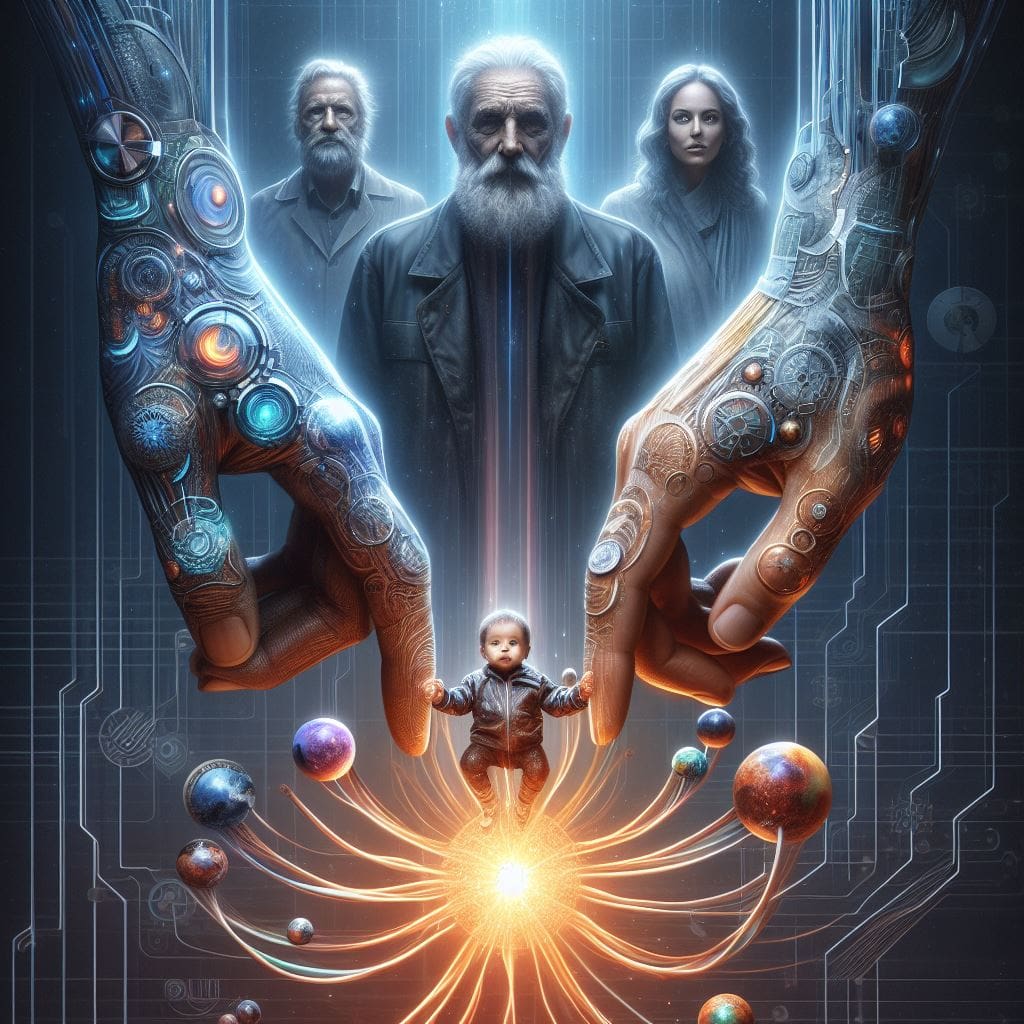

When we think about our identity and the aspects that shape it, it’s essential to recognise the role of intergenerational transmission. This term refers to the transfer of cultural beliefs, values, attitudes, and behaviours from one generation to another. Intergenerational transmission occurs within families and communities and holds the power to shape our worldview and contribute to our development.
Throughout history, societies have relied on this intergenerational transmission to preserve cultural heritage and tradition. It is through this process that customs, rituals, language, and knowledge have been transmitted and preserved for generations. But beyond tangible aspects, it also extends to intangible aspects, such as familial beliefs, parenting styles, and even psychological patterns.
At the heart of intergenerational transmission are the family dynamics and the unconscious influence that shapes our understanding of the world. We learn from and imitate our parents, grandparents, and extended family members. They provide the framework within which we learn how to communicate, interact, and make sense of the world around us.
Culturally, intergenerational transmission impacts the way we perceive the world and influences our traditions, beliefs, and moral values. For instance, religious practices, ethnic celebrations, or societal norms all stem from this transmission. These cultural elements, often deeply ingrained, dictate our behaviour and decision-making processes in both subtle and explicit ways.
Moreover, intergenerational transmission encompasses more than just cultural aspects. It also influences psychological patterns and, at times, intergenerational trauma. For instance, if previous generations have experienced significant trauma, such as war, genocide, or oppression, the consequences can be passed down through generations in the form of unresolved trauma, coping mechanisms, or inherited emotional responses.
It is crucial to recognise that intergenerational transmission does not only involve positive aspects. It can perpetuate negative patterns, such as unhealthy relationship dynamics, substance abuse, or even internalised prejudice. However, acknowledging these negative patterns and taking steps towards healing and transformation is vital to breaking the cycle.
Understanding intergenerational transmission allows us to explore and challenge the beliefs and behaviours we’ve inherited. It empowers us to critically examine the impact they have on our lives and determine which aspects we want to preserve, modify, or let go of. By recognising the power of intergenerational transmission, we can actively shape our own identity instead of being passive recipients of the past.
To break free from negative intergenerational patterns and promote positive change, it is crucial to engage in open dialogues within families and communities. Discussions that explore the intentions and consequences of certain behaviours or beliefs can lead to a deeper understanding and foster empathy and compassion. Additionally, seeking professional support, such as therapy, can provide a safe space to explore and heal from intergenerational trauma and work towards personal growth.
Forms of Intergenerational Transmission in a Nutshell
1. Communication: Parents pass on values, beliefs, and knowledge to their children through verbal and non-verbal communication.
2. Observational Learning: Children learn by observing and imitating the behaviours, language, and attitudes of their parents and older family members.
3. Modelling: Parents serve as role models for their children, exhibiting behaviours and values that children are likely to emulate.
4. Reinforcement: Positive reinforcement from parents encourages children to repeat desirable behaviours and beliefs, thus transmitting them to the next generation.
5. Cultural Socialisation: Parents socialise children into their cultural group, teaching them the customs, traditions, and norms of their community or ethnic group.
6. Emotional Bonding: Strong emotional attachment and bonding between parents and children positively influence the transmission of values and beliefs across generations.
Conclusion
As we navigate our own lives, we must recognise the legacy we inherit and the legacy we pass on to future generations. By actively engaging with the intergenerational transmission, we can consciously shape the values, beliefs, and behaviours that contribute to our personal and collective identity. With awareness and deliberate efforts, we stand a chance to break free from negative patterns and create a more harmonious and compassionate world.
Share this:

You Might Also Enjoy Reading