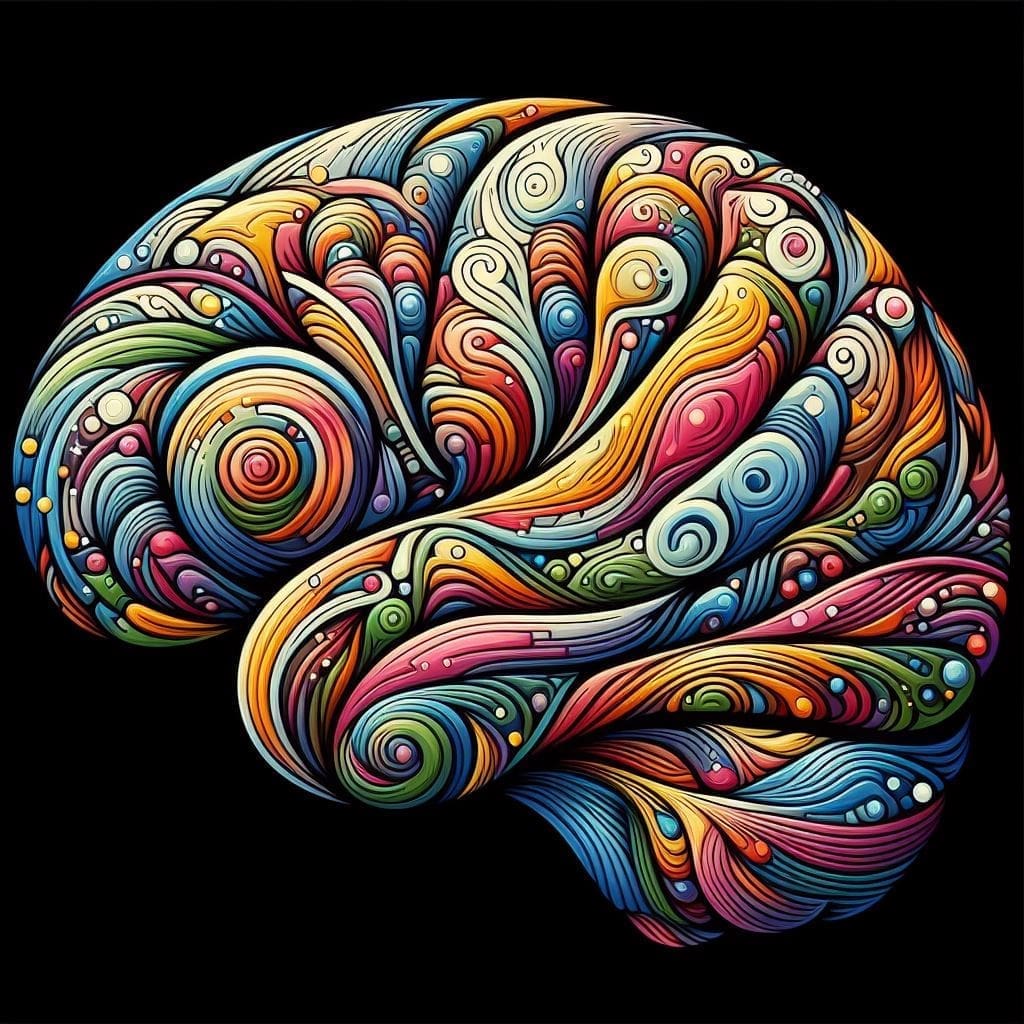
The concept of revolution evokes images of passionate individuals coming together to challenge societal norms, reshape political landscapes, and initiate transformative change. Throughout history, revolutions have significantly impacted societies worldwide, leading to both positive and negative outcomes. Beneath the surface of seemingly spontaneous uprisings, there lies a complex psychology that drives people towards revolution. In this blog post, we embark on a journey of understanding the psychological factors that propel individuals and groups to initiate and participate in revolutions.

1. Discontent and Inequality
Revolutionary movements often stem from deep frustration and discontent within society. Rising economic inequality, injustice, oppressive governance, and lack of opportunity can create a breeding ground for revolution. People who feel marginalised, unheard, or oppressed are more likely to seek change and engage in revolutionary actions.
2. Identity and Collective Consciousness
The psychology of revolution often revolves around a collective identity and shared sense of purpose. When individuals feel connected to a larger cause or group, they gain a sense of belonging, resulting in increased motivation and determination to fight for change. This collective consciousness can ignite a revolutionary spirit that transcends individual differences and unites people under a common goal.
3. Cognitive Dissonance
Cognitive dissonance refers to the discomfort that arises when a person’s beliefs or values conflict with their actions or the prevailing social norms. In periods of revolution, cognitive dissonance can become a catalyst for change. Individuals may begin questioning societal norms, leading to a shift in their beliefs and an eventual desire for transformation.
4. The Role of Emotion
Emotions play a pivotal role in igniting and fuelling revolutions. People often experience a range of emotions, including anger, frustration, hope, and a desire for justice, which contribute to their willingness to take part in revolutionary movements. Emotional contagion spreads rapidly during times of turmoil, drawing more individuals into the fervour of revolution.
5. Social Tipping Points
Revolution is not usually triggered by a single cause but by a culmination of various factors that reach a tipping point. This tipping point signifies a moment when individuals, who may have been in a state of latent dissatisfaction, mobilise collectively to challenge the existing order. Social media has played a significant role in recent revolutions, facilitating the dissemination of information, organising protests, and galvanising support.
Conclusion
The psychology of revolution delves into the intricate web of factors that contribute to social upheaval and collective change. From discontent and inequality to the power of collective identity and cognitive dissonance, understanding the psychological processes underlying revolutions helps shed light on the motivations of individuals and groups. By exploring these psychological principles, we can gain valuable insights into the dynamics of societal transformation, empowering us to shape more inclusive and equitable societies in the future.
Share this:

You Might Also Enjoy Reading