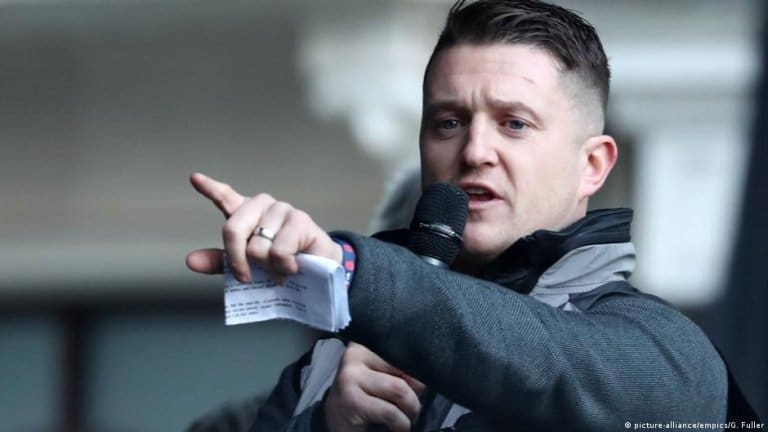

Tommy Robinson, born Stephen Christopher Yaxley-Lennon, is a prominent figure in the UK’s far-right political landscape. Known for his inflammatory rhetoric and staunch anti-immigrant stance, Robinson has drawn both fervent support and fierce criticism. But what lies beneath the surface of this controversial figure? What psychological factors may be driving his beliefs and actions? Amidst the chaos and uproar, there are some truths that Robinson has spoken that cannot be overlooked.
One key aspect of Robinson’s psychology is his susceptibility to conspiracy theories. Throughout his career, he has peddled various unfounded claims about the supposed Islamisation of Britain and the complicity of authorities in covering up crimes committed by Muslim immigrants. This reflects a tendency towards paranoia and a deep-seated belief in a world where shadowy forces are working against the interests of the “common man”.
This susceptibility to conspiracy theories not only affects Robinson’s personal beliefs and actions but also influences the larger social and political discourse. His promotion of unfounded claims can contribute to the spread of misinformation and division within communities. It can also erode trust in established institutions and fuel feelings of fear and mistrust among the public.
Furthermore, Robinson’s tendency towards paranoia and belief in shadowy forces actively works against efforts to foster unity and understanding within diverse societies. By perpetuating narratives that demonise certain groups and promote fear and suspicion, he contributes to a climate of tension and hostility, hindering the progress towards a more inclusive and harmonious society. It’s crucial to critically examine and challenge such narratives in order to promote cooperation, empathy, and informed dialogue in our communities.
Nevertheless, NOT everything Tommy says is wrong. Tommy, in his mind, is trying to save Britain. One of the truths that Robinson has brought to light is the issue of grooming gangs in the UK. He has been a vocal critic of these gangs and their heinous activities, often pointing out the failures of law enforcement and the authorities in addressing this disturbing trend. Despite facing backlash for his outspokenness on this topic, Robinson has forced many to confront the uncomfortable reality of these grooming gangs and the innocent victims they prey upon.
Another truth that Robinson has spoken about is the threat of radical Islamism in Europe. He has been a vocal opponent of Islamic extremism and has spoken out against the dangers that this ideology poses to Western societies. While some have criticised him for painting all Muslims with the same brush, Robinson has brought attention to the real and present dangers of radical Islamism and the need for vigilance in combating this threat.
Robinson has also been critical of the mainstream media, accusing them of bias and dishonesty in their reporting. While some may dismiss his claims as conspiracy theories, there is no denying the power and influence of the media in shaping public opinion. Robinson’s criticisms have forced many to question the objectivity and integrity of the mainstream media, prompting a much-needed debate on the role of the press in a democratic society.
Robinson’s upbringing also plays a significant role in shaping his worldview. Growing up in Luton, a town known for its racial tensions, Robinson experienced firsthand the effects of multiculturalism and perceived injustices towards the white working class. This environment likely contributed to his sense of victimhood and fuelled his desire to fight back against what he sees as the erosion of British values. Robinson’s early life experiences in Luton, a town with a complex social fabric, shed light on the formative influences that have shaped his perspectives. From grappling with racial tensions to witnessing perceived injustices towards the white working class, these experiences undoubtedly left a lasting impact on him, influencing his views on multiculturalism, societal inequalities, and national identity. Such a nuanced environment would have undoubtedly played a pivotal role in shaping Robinson’s beliefs and motivations, providing context for his outspoken stance on what he perceives as the erosion of British values.
Another aspect of Robinson’s psychological profile is his authoritarian personality. He exhibits a clear preference for order and hierarchy, along with a strong distrust of outsiders and those who challenge established norms. This authoritarian streak is evident in his confrontational tactics and his willingness to trample on the rights of others in the name of preserving what he sees as the true British identity.
Robinson’s charisma and ability to tap into the fears and anxieties of his supporters also point to a certain level of narcissism. He thrives on the attention and adulation of his followers, and his willingness to confront perceived enemies head-on speaks to a deep-seated need for validation and admiration. This manipulative behaviour is often rooted in an inflated sense of self-importance and a lack of empathy for others. His charisma may also serve as a facade to mask underlying insecurities and personal inadequacies. It’s important to recognise the impact of such behaviour on both the individual and those around them, as unchecked narcissism can lead to damaging relationships and a reluctance to acknowledge personal faults. Understanding the complexities of narcissistic traits can provide insight into the dynamics of power and influence within social and political spheres.
Despite his controversial reputation, there are undeniable truths that Robinson has spoken about that cannot be ignored. While he may not always express himself in the most diplomatic or politically correct way, his willingness to address uncomfortable truths and challenge the status quo is commendable. Whether you agree with him or not, Tommy Robinson has sparked important conversations and shed light on issues that many would prefer to sweep under the rug. Love him or hate him, there are truths that Robinson has spoken that should not be dismissed.
Taking into account these psychological dynamics provides an insight into the complexities behind Tommy Robinson’s beliefs and actions. It underscores the importance of understanding the underlying motivations and influences that shape his worldview and behaviour, shedding light on the potential factors contributing to his impact and potential for change in the future.
In conclusion, the psychological profile of Tommy Robinson is complex and multidimensional. From his susceptibility to conspiracy theories and authoritarian tendencies to his narcissistic traits and sense of victimhood, a number of factors seem to be driving his beliefs and actions. Understanding these underlying psychological dynamics is crucial in evaluating the impact of his rhetoric and the potential for change in the future.
Share this:

You Might Also Enjoy Reading