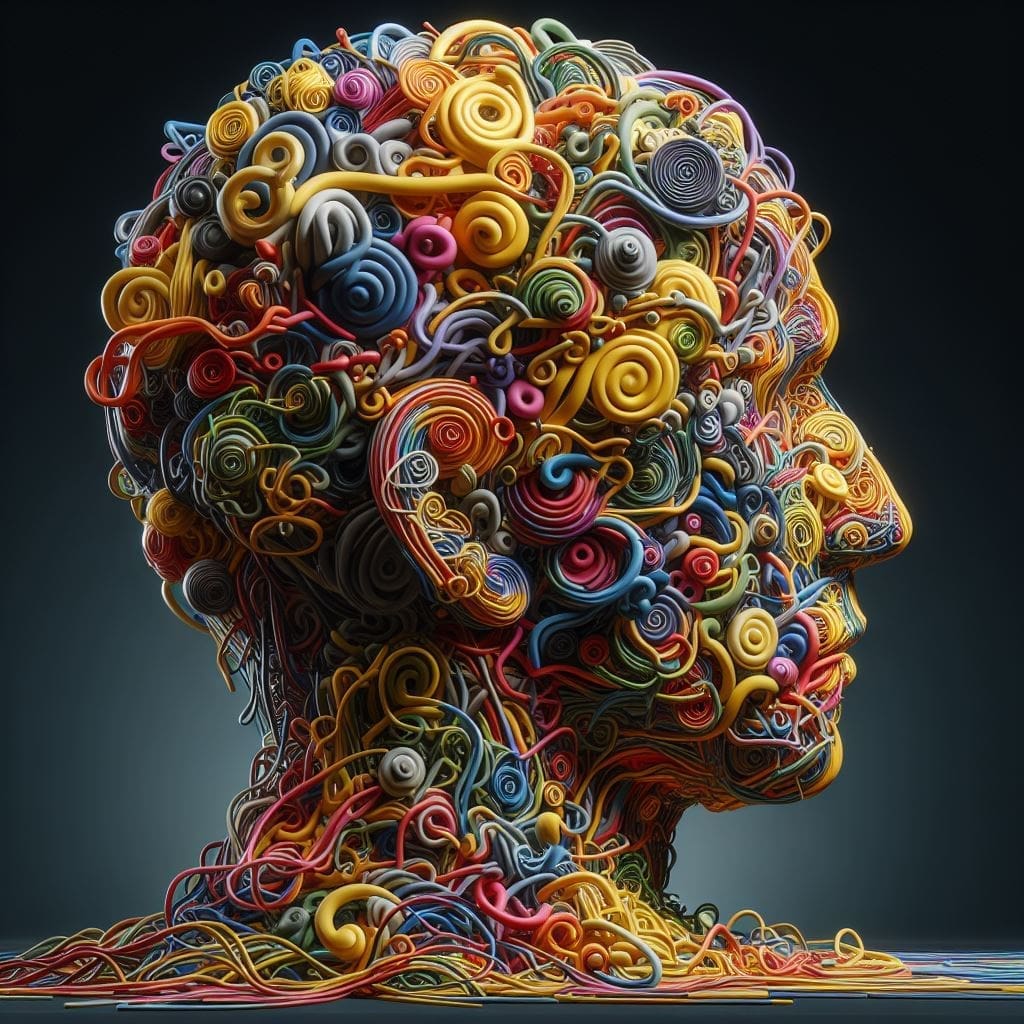
In the vast realm of psychoanalysis, one cannot overlook the significance of Jacques Lacan and his groundbreaking theory of the mirror stage. Developed in the mid-20th century, this theory sheds light on the formation of our self-identity and the fixations that occur during this crucial developmental phase. Lacan’s mirror stage offers a unique perspective on how we perceive ourselves and how these perceptions shape our sense of identity.
So, what exactly is the mirror stage? Lacan proposes that between the ages of six and eighteen months, infants undergo a psychological awakening when they first encounter their own reflection in a mirror. At this stage, the infant perceives a coherent and unified image, which they mistake for their whole self. However, this reflection does not correspond to reality; it is an idealised image that lacks the flaws and contradictions of their actual bodies.
According to Lacan, the mirror stage marks a critical moment in the individual’s journey to self-awareness. It is during this stage that they begin to comprehend themselves as separate beings with distinct physical and psychological boundaries. The infant experiences this newfound self-perception with a mix of fascination, confusion, and elation. However, along with these positive emotions, this stage also gives rise to fixations that can potentially lead to future psychological conflicts.
One significant fixation that emerges from the mirror stage is what Lacan terms the “Ideal-I.” The Ideal-I refers to the image we create of ourselves based on the reflection we perceive in the mirror. This image becomes an internalised ideal, a version of ourselves that we strive to achieve throughout our lives. However, since this idealised image is detached from reality, it can create an unattainable standard that often leads to feelings of inadequacy and low self-esteem. These fixations may manifest in various ways throughout our lives, influencing our self-perception and defining our behaviours.
Another fixation arising from the mirror stage is the ego’s identification with the image in the mirror. Lacan argues that this identification results in an alienation from our true selves and a desire to continually please and conform to societal expectations. This external validation becomes the driving force behind our actions, as we constantly seek approval and affirmation from others based on the image we have constructed. Such fixations can restrict our authentic expression and hinder personal growth, trapping us in a cycle of perpetual self-doubt.
However, while Lacan’s mirror stage highlights the potential fixations that can arise, it also presents the opportunity for transformation and self-reflection. By understanding the construct of the Ideal-I and the ego’s identification, we can begin to deconstruct these fixations and develop a healthier relationship with ourselves. Acknowledging the gap between our idealised image and reality allows for self-compassion, acceptance, and the pursuit of genuine self-discovery. Embracing our flaws and contradictions becomes a vital part of our journey, enabling personal growth and the actualisation of our true selves.
In conclusion, Lacan’s mirror stage remains an influential theory in the realm of psychoanalysis, offering valuable insights into the construction of self-identity and the fixations that can hinder our personal growth. By understanding the dynamics at play during this critical stage, we can begin to navigate the intricate web of self-perception and work towards a more authentic and fulfilling existence. Ultimately, the mirror stage presents an opportunity for self-reflection, transformation, and the liberation from the fixations that hold us captive.
Share this:

You Might Also Enjoy Reading