Michel Foucault was a prominent French philosopher and social theorist known for his work on power, knowledge, and institutions. One of his most influential concepts is the idea that power is not just something that is held by a few individuals or institutions, but is rather something that permeates all aspects of society and is exercised in various ways.
Foucault argued that power is not just about coercion or force, but is also about the ability to define and shape reality. In other words, power is about controlling what is considered to be true or false, normal or abnormal, acceptable or unacceptable. This means that those who have power can impose their own views and values on society, shaping how people think and behave.
Knowledge plays a crucial role in this process. Foucault believed that knowledge is always intertwined with power, as those who have the ability to produce and disseminate knowledge also have the ability to shape how society understands itself. Institutions, such as schools, hospitals, and prisons, are key sites where knowledge and power intersect, as they are where certain forms of knowledge are produced and used to control and regulate individuals.
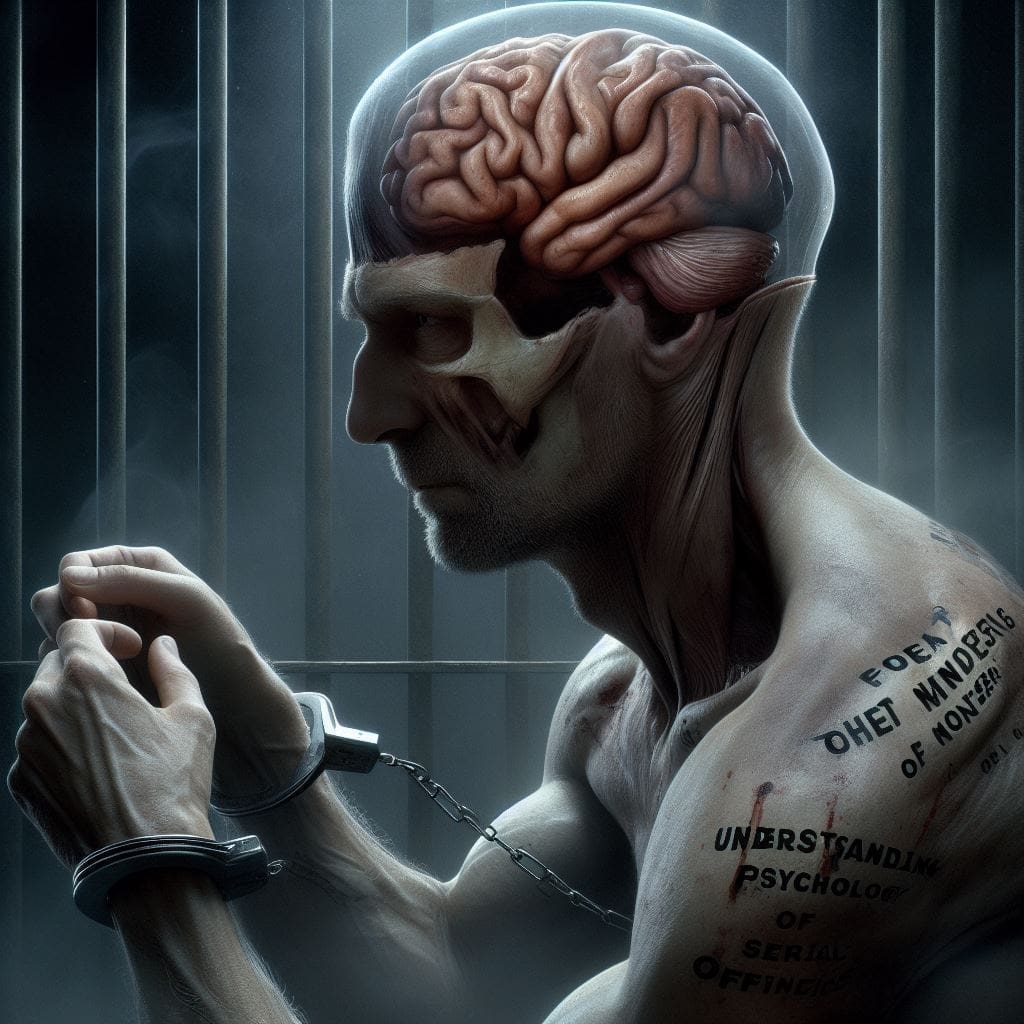
In this way, institutions become mechanisms for the exercise of power, as they shape the way people think and act. For example, in a prison, knowledge about criminality and punishment is produced and used to control the behaviour of inmates. Similarly, in a school, knowledge about subjects such as history and science is used to shape the minds of students and define what is considered to be important or valuable.
Foucault’s concept of power and its relationship to knowledge and institutions has profound implications for how we understand society and the ways in which power operates. It challenges us to look beyond overt displays of power and to consider the more subtle ways in which power is exercised in our everyday lives. By recognising the interconnectedness of power, knowledge, and institutions, we can begin to critique and challenge the systems of control that shape our society and work towards a more just and equitable world.
Share this:

You Might Also Enjoy Reading