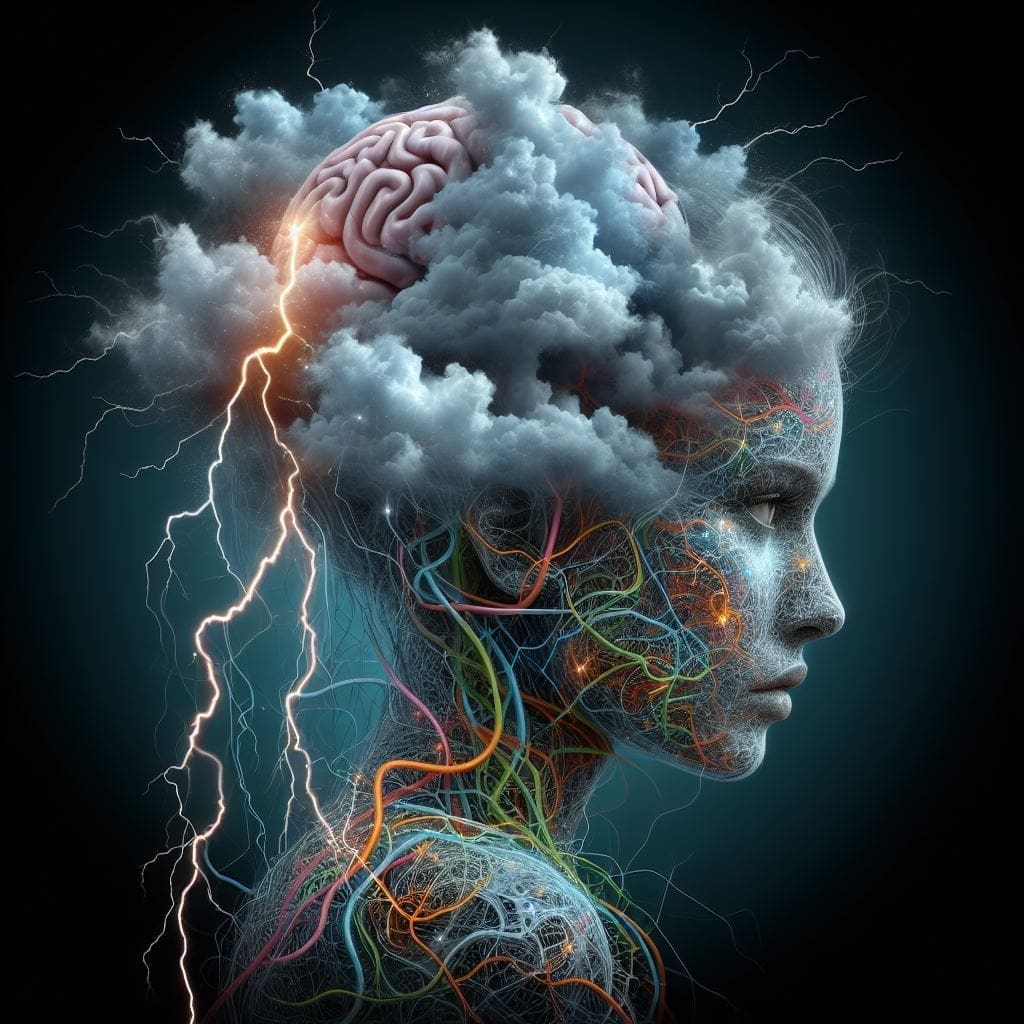

Our ability to make moral judgements is an inherent part of being human. From deciding between right and wrong to making ethical choices, these judgements shape our behaviour and guide our interactions with others. But have you ever wondered what goes on in our brains when we make these moral decisions? Enter the hero of this story – the Prefrontal Cortex.
The Prefrontal Cortex: Moral Decision-Making Headquarters
Situated at the front of our brains, just behind our foreheads, the prefrontal cortex (PFC) is a complex region responsible for higher-order cognitive functions, including moral judgements. It plays a crucial role in processing and integrating information from different brain regions, allowing us to make decisions based on ethical considerations rather than instinct alone.
1. Social Cognition and Emotional Processing
One of the key functions of the PFC is its role in social cognition and emotional processing. When faced with a moral dilemma, the PFC helps us understand the intentions, beliefs, and mental states of others involved. It processes emotional signals, such as empathy and guilt, which influence our moral choices. Through this emotional processing, the PFC helps us navigate complex social interactions and determine the moral implications of our decisions.
2. Executing Complex Reasoning and Reflective Thinking
Another essential function of the PFC is its involvement in complex reasoning and reflective thinking. The PFC processes information from other brain regions, such as the amygdala (emotion centre) and the insula (empathy centre), to aid in making moral decisions. By connecting the dots between different cognitive processes, the PFC helps us weigh the pros and cons, anticipate consequences, and integrate diverse perspectives while making judgements.
3. Impulse Control and Self-Regulation
The PFC is also responsible for regulating our impulse control and self-regulation, which are crucial for making moral choices. This region exerts inhibitory control over impulsive responses, allowing us to override immediate gratification and consider the long-term consequences of our actions. By inhibiting the responses associated with selfish desires, the PFC helps prosocial behaviour, reinforcing our moral compass and commitment to societal norms.
4. Developmental Changes and Individual Differences
Research has shown that the PFC continues to develop throughout our lives, with significant changes during adolescence. This ongoing development is thought to contribute to the maturation of moral judgement and decision-making abilities. Moreover, individual differences in PFC function and structure have been linked to variations in moral reasoning and ethical behaviour.
Conclusion
While morality is a complex and multifaceted characteristic that involves various brain regions, the prefrontal cortex stands out as a key player. By integrating social cognition, emotional processing, complex reasoning, and self-regulation, the PFC enables us to make moral judgements that often transcend our immediate desires. Understanding the role of the PFC in moral decision-making helps shed light on the intricacies of ethical behaviour and opens avenues for further research into fostering empathy, encouraging altruism, and promoting moral development in individuals and society.
So, the next time you ponder over a moral dilemma, thank your prefrontal cortex for tirelessly working behind the scenes to help you make the right choice!
Share this:

You Might Also Enjoy Reading