Borderline Personality Disorder (BPD) is a complex mental health condition characterised by a pervasive pattern of instability in mood, behaviour, and interpersonal relationships. People with BPD often struggle with intense emotions, impulsivity, and a distorted self-image. While the exact cause of BPD remains unclear, researchers have identified a potential role for the ventromedial prefrontal cortex (vmPFC) in the development and manifestation of this disorder.
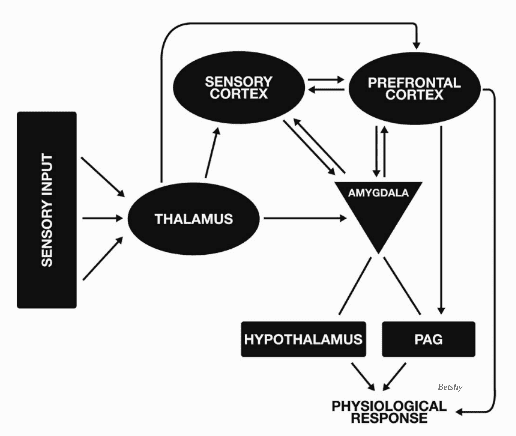
The vmPFC is a region of the brain located in the prefrontal cortex, responsible for emotional regulation, decision-making, and self-control. It plays a critical role in integrating emotions, thoughts, and behaviours to produce appropriate responses in social situations. In individuals with BPD, abnormalities in the vmPFC have been observed, and these may contribute to the dysregulation of emotions and difficulties with interpersonal relationships.
One key aspect of BPD is an exaggerated response to emotional stimuli. People with BPD often experience intense emotional reactions, such as anger, sadness, or anxiety, which are difficult to regulate. Studies using brain imaging techniques have demonstrated that individuals with BPD display abnormal activity in the vmPFC when processing emotional information. This suggests that the vmPFC may have a reduced ability to regulate emotional responses in people with BPD, leading to heightened emotional reactivity.
Furthermore, the vmPFC plays an essential role in decision-making processes, particularly in contexts that involve risk and reward assessment. People with BPD frequently engage in impulsive and risky behaviours, such as self-harm, substance abuse, or reckless driving. These behaviours may result from an impaired vmPFC, leading to difficulties in adequately considering long-term consequences and making sound decisions.
Additionally, the vmPFC is involved in social cognition, which refers to the ability to understand and navigate social situations. Individuals with BPD often experience challenges in interpersonal relationships, struggling with feelings of abandonment, frequent conflicts, or idealisation and devaluation of others. Dysfunction in the vmPFC may impact the ability to accurately interpret social cues, leading to misperceptions, mistrust, or emotional volatility in relationships.
While the role of the vmPFC in BPD is becoming increasingly recognised, it is important to note that this is just one aspect of a complex biopsychosocial disorder. BPD likely arises from a combination of genetic, neurobiological, and environmental factors. Therefore, understanding the vmPFC’s involvement is a step towards a holistic understanding of BPD but does not fully explain the disorder’s complexities.
Nevertheless, identifying the role of the vmPFC in BPD offers potential avenues for therapeutic interventions. Targeting this region of the brain through techniques such as cognitive-behavioural therapy or neurofeedback could potentially help individuals with BPD regulate their emotions more effectively, make better decisions, and improve their social interactions.
In conclusion, the ventromedial prefrontal cortex appears to play a crucial role in Borderline Personality Disorder. Dysregulation in this brain region may contribute to the emotional instability, impulsivity, and difficulties in social interactions experienced by individuals with BPD. Further research on the vmPFC and its connections to other brain regions will provide valuable insights into BPD’s underlying mechanisms, ultimately leading to improved diagnostic tools and more effective treatment options.
Share this:

You Might Also Enjoy Reading