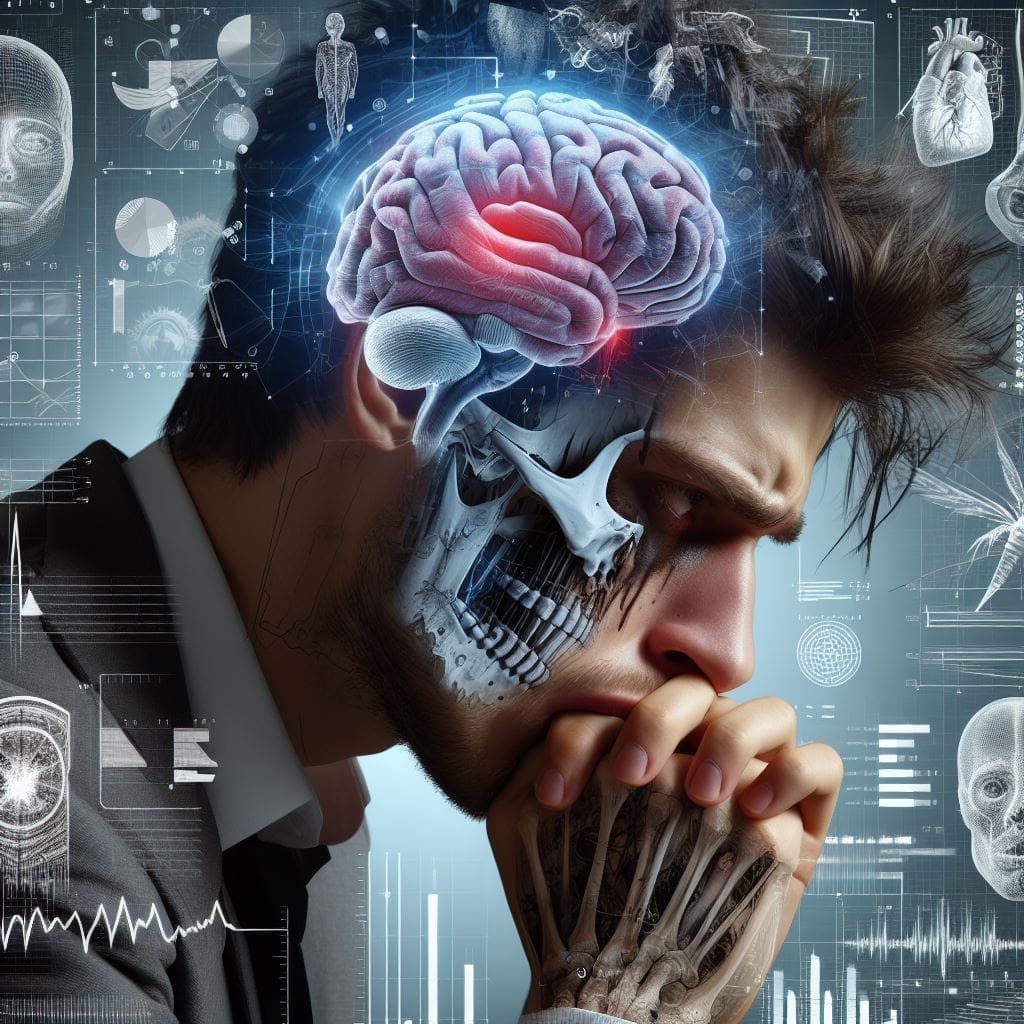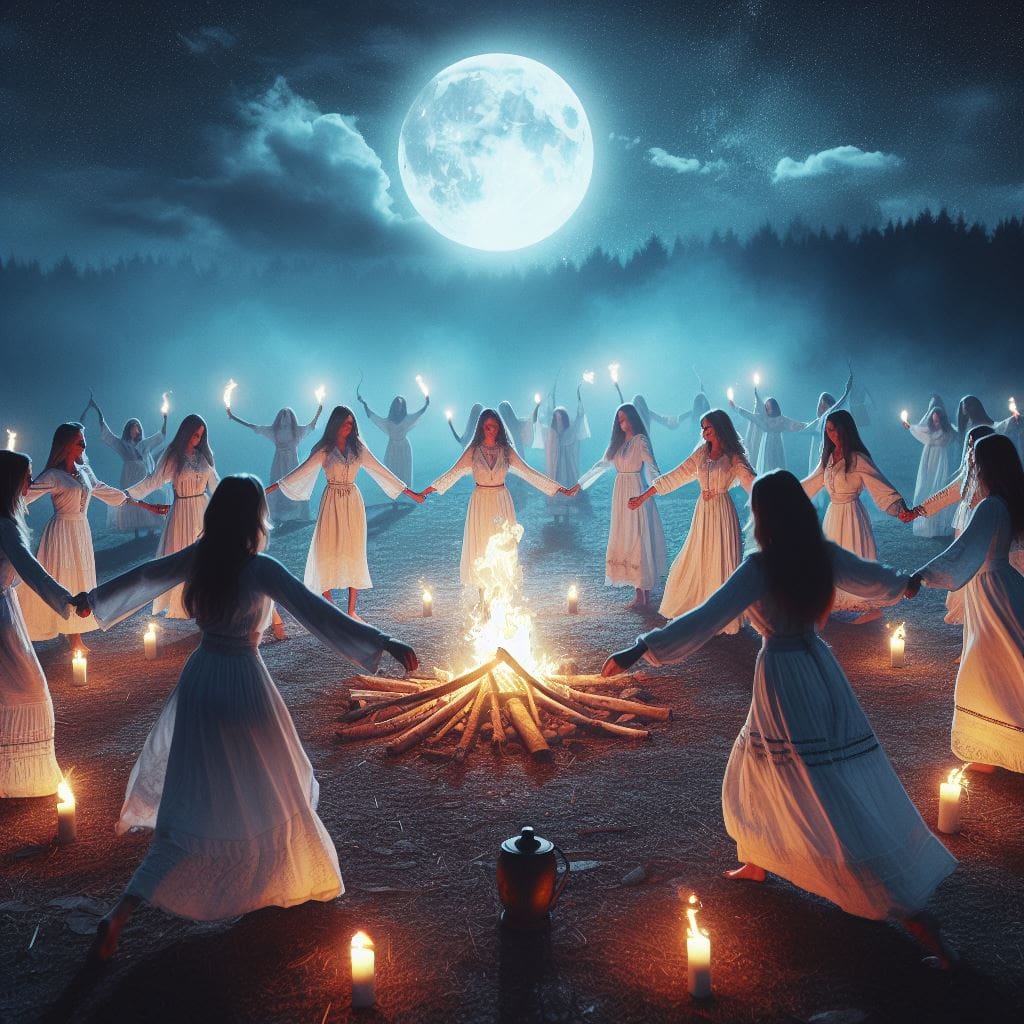

Superstition has been an intrinsic part of human culture for centuries. From avoiding black cats to knocking on wood for good luck, we all have some degree of belief in the unexplained. But why is it that even in the modern world of science and reason, we still cling to these irrational beliefs? The answer lies in the fascinating realm of psychology.
1. Control and Uncertainty
One of the primary factors driving superstition is our innate need for control. Human beings are wired to desire a sense of control over their lives and environments. Superstitious beliefs offer a way to regain control, even in situations where we may feel helpless or uncertain.
For example, think of an athlete who wears a lucky charm to enhance their performance. Though logically, the charm may have no impact on their abilities, it grants a psychological sense of control and boosts self-confidence. Superstitions act as psychological crutches that alleviate anxiety and give individuals a perceived sense of power over their circumstances.
2. Illusory Correlation and Confirmation Bias
Another psychological phenomenon at play regarding superstitions is illusory correlation and confirmation bias. Illusory correlation refers to the tendency to perceive a relationship between two unrelated events when none actually exists. This occurs when a superstitious belief becomes associated with a positive outcome.
Confirmation bias further reinforces these beliefs by causing us to focus on information or experiences that support our preexisting beliefs while ignoring or downplaying contradictory evidence. For instance, if someone believes carrying a rabbit’s foot brings them good luck, they may only remember the times they had positive outcomes while having the charm and conveniently ignore the times when they didn’t.
3. Evolutionary Heritage
Our evolutionary heritage also plays a role in the psychology of superstition. Throughout human history, our ancestors faced numerous threats and dangers they couldn’t fully comprehend or control. In such circumstances, developing superstitions may have been advantageous as they provided an illusion of control and offered a survival advantage.
This ancestral predisposition towards superstitions can still be observed today. Studies have shown that individuals who have a higher propensity to believe in superstitions may experience lower levels of anxiety and cope better with uncertainty. Superstitious beliefs, whether rational or not, help us deal with the unpredictability of the world and can offer psychological reassurance.
4. Cultural Transmission
Superstitions are also perpetuated through cultural transmission. From childhood, we are exposed to various superstitions through our families, communities, and societies. These beliefs become deeply ingrained within our cultural fabric, making them challenging to disentangle.
Cultural transmission reinforces superstitions by instilling a sense of belonging and cultural identity within individuals. Superstitious beliefs create an us-versus-them mentality, acting as social glue among individuals who share similar beliefs. This cultural reinforcement further strengthens the psychological pull of superstitions.
Final Thoughts
In conclusion, the psychology of superstition reveals the complex interplay of control, illusion, and cultural inheritance. Superstitions provide us with a psychological sense of control in uncertain situations. Our inherent tendency to find patterns and correlations, coupled with confirmation bias, further strengthens these beliefs. Additionally, our evolutionary history and the cultural transmission of beliefs contribute to the persistent presence of superstitions in today’s world.
Understanding the psychology behind superstitions helps us cultivate empathy and respect for those who hold such beliefs, even if they seem irrational to us personally. It reminds us that our minds are fascinating and complex, often driven by subconscious desires and insecurities. So, the next time you catch yourself knocking on wood or avoiding a ladder, take a moment to reflect on the psychology behind it and embrace the intriguing aspects of our shared human experience.
Share this:

You Might Also Enjoy Reading