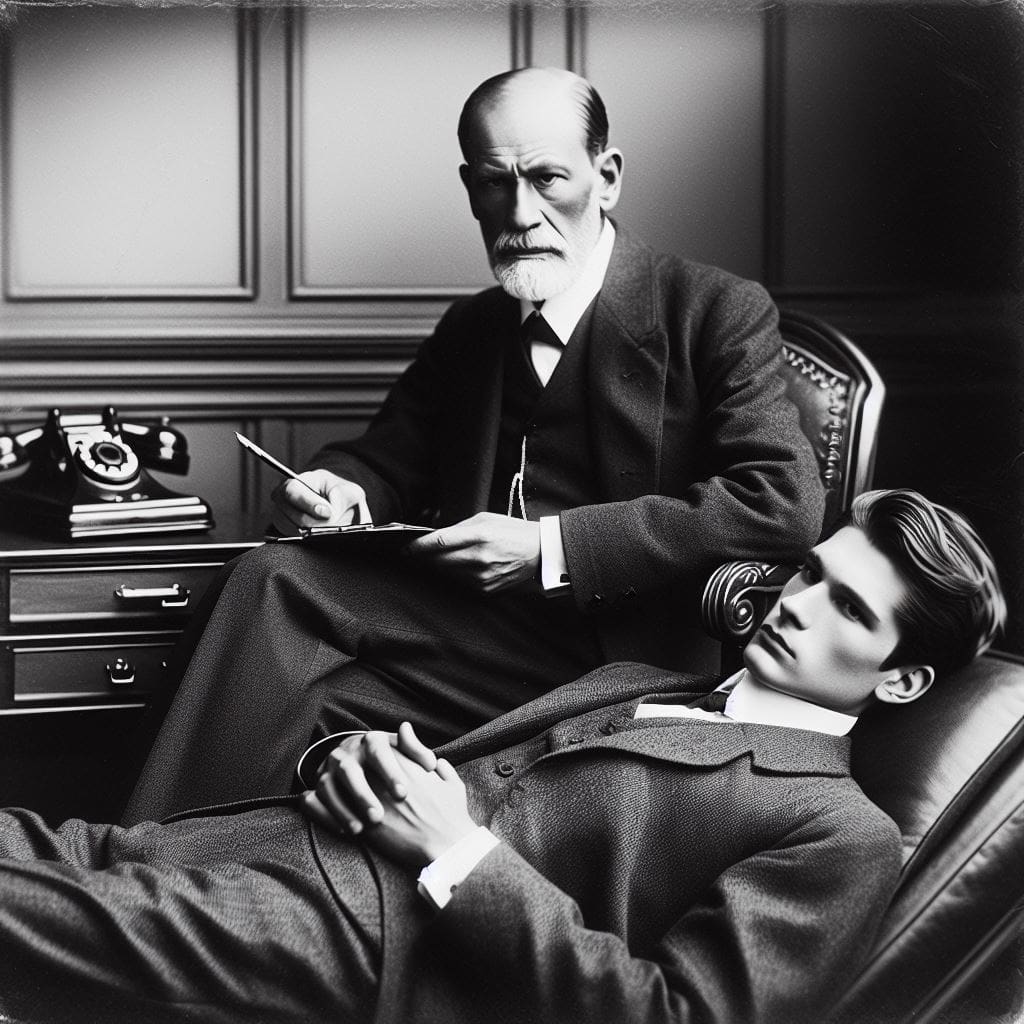
Sigmund Freud is often acclaimed as one of the pioneers of modern psychology, and his drive theory is one of the most well-known aspects of his work. Freud believed that human behaviour is largely driven by subconscious desires and motivations, particularly those related to sex and aggression. While Freud’s theories have faced criticism and scepticism over the years, many psychologists believe that his drive theory still holds relevance in understanding human behaviour in the modern world.
Freud’s drive theory posits that human behaviour is motivated by two primary drives: the libido, which is the energy associated with sexual desire, and the thanatos, which is the energy associated with aggression and self-destructive tendencies. According to Freud, these drives operate at an unconscious level and can influence our thoughts, emotions, and behaviours without our conscious awareness.
While Freud’s drive theory has been criticised for its emphasis on sexuality and aggression, modern psychologists have revisited Freud’s insights and found that drive theory can still offer valuable insights into human behaviour. For example, many psychologists believe that our subconscious desires and motivations can influence our decision-making processes and interpersonal relationships, even if we are not consciously aware of them.
Moreover, Freud’s emphasis on the role of the unconscious mind in shaping behaviour has been validated by modern research in cognitive psychology. Studies have shown that our unconscious beliefs and attitudes can significantly impact our behaviour, often in ways that we are not consciously aware of.
In addition, Freud’s drive theory has been influential in the development of psychodynamic therapy, which focuses on exploring and resolving unconscious conflicts and motivations. Psychodynamic therapy has been shown to be effective in treating a wide range of psychological disorders, including depression, anxiety, and personality disorders.
Overall, Freudian drive theory still holds relevance in modern psychology, as it offers valuable insights into the role of unconscious desires and motivations in shaping human behaviour. While Freud’s theories may not be without their flaws, they have paved the way for a deeper understanding of the complexities of human behaviour and have influenced the development of modern psychological theories and therapies. By revisiting Freud’s insights, psychologists can continue to gain valuable insights into the inner workings of the human mind.
Share this:

You Might Also Enjoy Reading