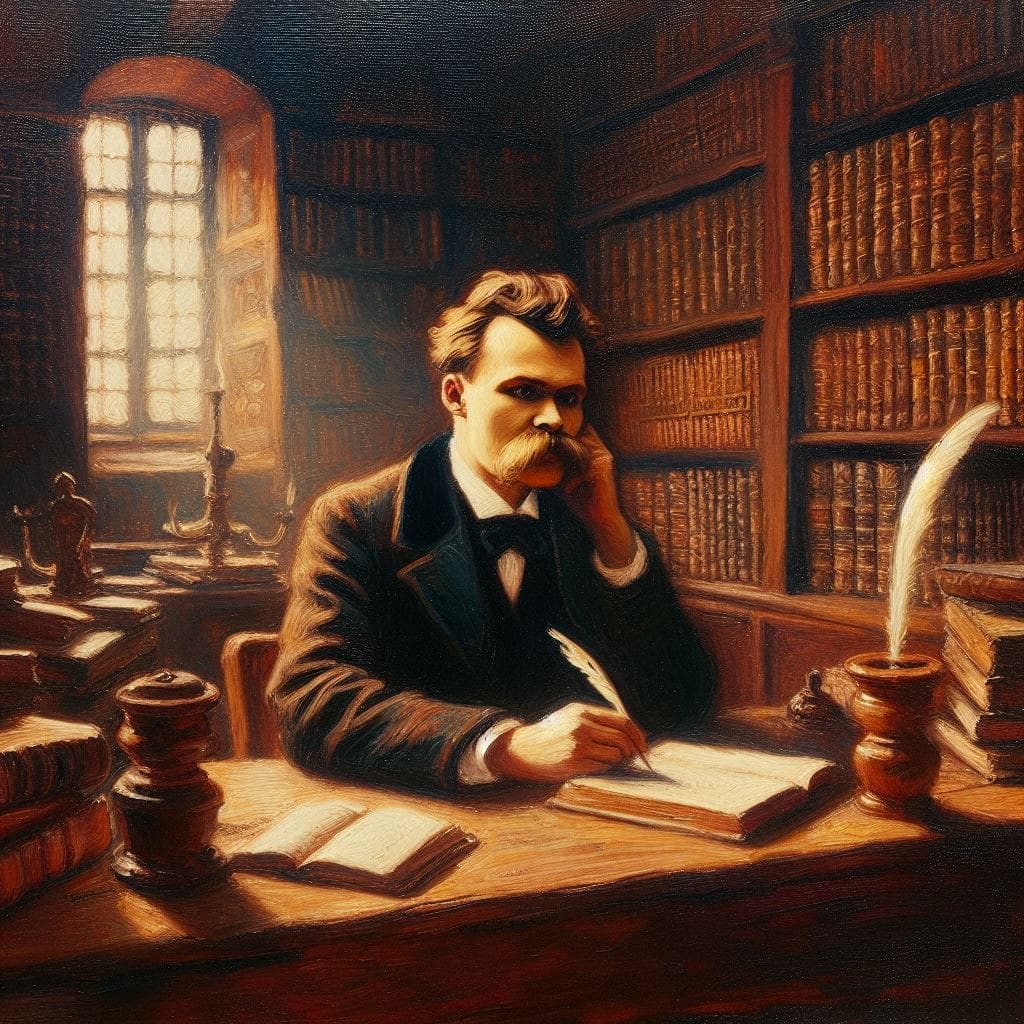
Sigmund Freud, often hailed as the father of psychoanalysis, is renowned for developing a groundbreaking and controversial psychological theory that delved into the deep recesses of the human mind. While some aspects of Freudian theory may seem outdated, many of his ideas continue to resonate in modern psychology and can be applied in various contemporary contexts. In this blog post, we will explore how Freudian theory has found relevancy beyond the couch, influencing diverse areas such as literature, pop culture, and personal relationships.
1. Literature: Unmasking Unconscious Desires
Freudian concepts of the unconscious mind and psychosexual development have provided a valuable lens through which to interpret literary works. Numerous renowned authors, such as D.H. Lawrence and Virginia Woolf, have incorporated Freudian themes into their writings, unmasking characters’ deep-rooted desires, conflicts, and repressions. By analysing these works through a Freudian lens, readers gain insight into the characters’ motivations, fears, and inner struggles.
2. Pop Culture: The Influence of Freudian Archetypes
Freud’s exploration of archetypes, including the id, ego, and superego, has permeated popular culture and media. Frequently, characters in movies, TV shows, and even advertisements embody these archetypes, representing different aspects of human behaviour and the struggles within the psyche. Recognising these archetypes can offer a richer understanding of pop culture icons while providing insight into our own personalities and behaviour.
3. Personal Relationships: Unravelling Subconscious Influences
Freud’s theories regarding family dynamics shed light on the complex dynamics that exist within family relationships. Although the Freudian perspective on these theories may be debatable, exploring the subconscious influences within our familial bonds can offer newfound understanding and empathy in these crucial relationships. By identifying and addressing unresolved childhood conflicts, individuals can foster healthier connections with their loved ones.
4. Dream Analysis: Unlocking the Unconscious
Freud believed that dreams served as a pathway to the unconscious mind, enabling individuals to explore their hidden desires and fears. Although the scientific community does not universally accept Freud’s dream theories, many modern psychologists still value the practice of dream analysis for its potential as a therapeutic tool. Understanding our dreams through a Freudian framework can provide insights into unresolved issues, promote self-reflection, and aid in personal growth.
5. Self-Reflection: The Continual Relevance of the Psychoanalytic Perspective
Freudian theory appreciates the complexity of human psychology, acknowledging the interplay of conscious and unconscious forces in shaping our thoughts, emotions, and behaviour. Though his theories have evolved, and alternative perspectives have since emerged, Freud’s ideas on the complexities of the mind remain deeply relevant. Incorporating the psychoanalytic perspective encourages ongoing self-reflection, prompting individuals to examine the deep-seated influences on their thoughts, motivations, and relationships.
Conclusion
Sigmund Freud’s theories, though controversial and subject to critique, continue to find relevance and applicability in modern contexts. From literature and pop culture to personal relationships and self-reflection, Freudian theory provides a thought-provoking framework through which to explore the complexities of the human psyche. By embracing the enduring aspects of Freud’s work, we can gain valuable insights into ourselves, our relationships, and the world around us.
Share this:

You Might Also Enjoy Reading