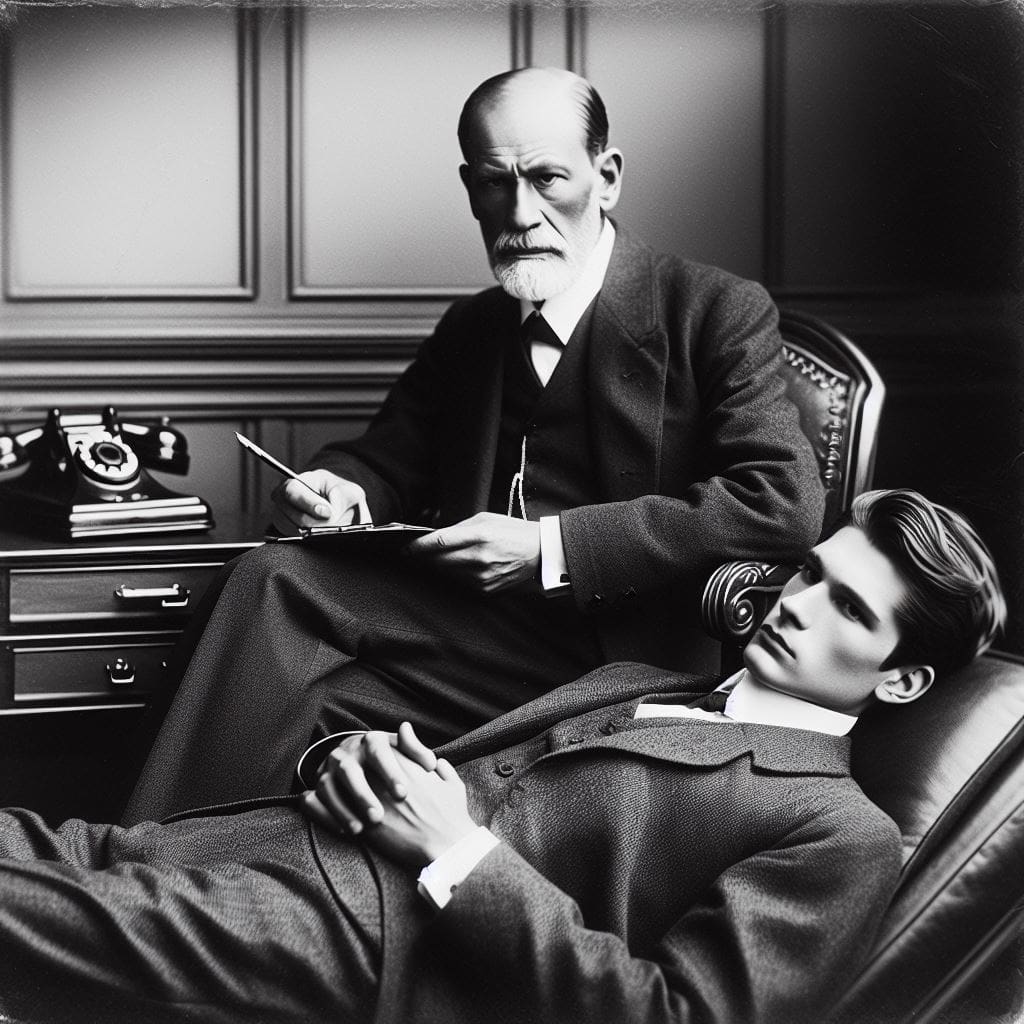
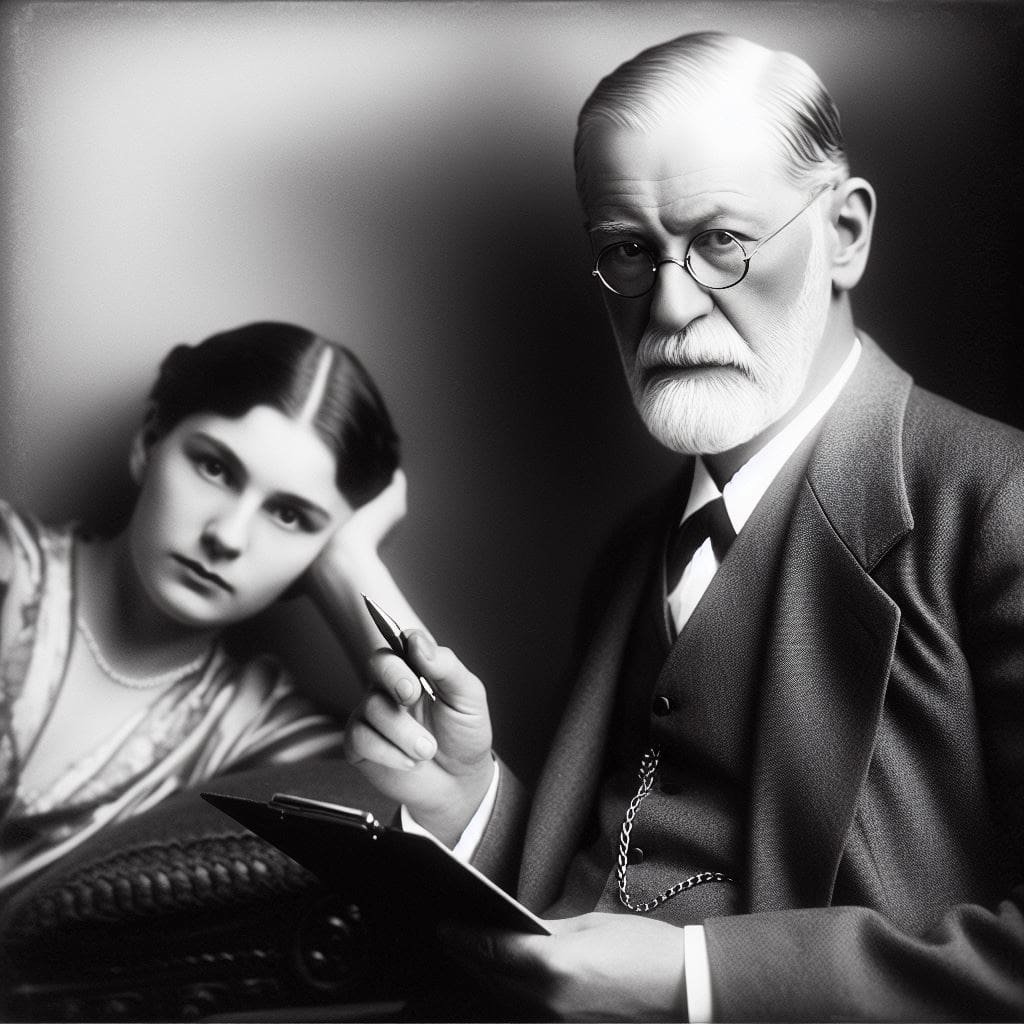
Freudian psychoanalysis is one of the most influential psychological theories of the 20th century, developed by Sigmund Freud, an Austrian neurologist. This methodology revolutionised our understanding of the human mind, introducing intriguing concepts such as the unconscious mind, dream interpretation, and the significance of childhood experiences. In this blog post, we will provide a comprehensive guide to Freudian psychoanalysis, explaining its key principles and techniques.
1. The Unconscious Mind
Freud argued that our behaviour and thoughts are influenced by unconscious experiences and desires. The unconscious mind consists of repressed memories, desires, and unresolved conflicts, which can shape our behaviour without us being consciously aware of them. Exploring and understanding the unconscious mind is an essential aspect of psychoanalysis, as it aids in uncovering the root causes of emotional and psychological issues.
2. Psychoanalytic Techniques
Freud developed various techniques to access the unconscious and help patients gain insights into their conflicts. The most notable of these is “free association,” where patients express their thoughts and ideas without censoring or filtering them. By observing patterns and connections in these spontaneous associations, therapists can uncover hidden motives and unresolved conflicts. Dream analysis is another technique that focuses on interpreting the content and symbolism of patients’ dreams to reveal their unconscious desires and wishes.
3. Childhood Experiences
Freud believed that our childhood experiences significantly shape our adult behaviour and personality. He introduced the concept of psychosexual development, which suggests that individuals pass through several stages of psychosexual development, such as the oral, anal, phallic, latent, and genital stages. At each stage, individuals may face conflicts, which, if unresolved, can lead to long-term psychological issues. Psychoanalysis aims to uncover and resolve these unresolved childhood conflicts to promote healthier adult functioning.
4. Defence Mechanisms
According to Freud, defence mechanisms are strategies employed by the unconscious mind to protect the individual from anxiety and deal with unresolved conflicts. These mechanisms work by distorting or transforming reality, thereby blocking potentially distressing thoughts or emotions. Common defence mechanisms include repression, denial, projection, displacement, and sublimation. Understanding defence mechanisms is crucial as they shed light on why individuals may engage in certain behaviours or develop maladaptive coping mechanisms.
5. Criticisms of Freudian Psychoanalysis
While Freudian psychoanalysis has made significant contributions to psychology, it is not without its critics. One major criticism is the lack of empirical evidence supporting some of Freud’s theories. Additionally, modern research has demonstrated that our behaviour and cognition are influenced by a variety of factors beyond the unconscious mind, such as social and cultural influences. Despite these criticisms, Freudian psychoanalysis remains influential in understanding the human psyche.
Conclusion
Freudian psychoanalysis continues to shape the field of psychology, providing valuable insights into the complexities of the human mind. By exploring the unconscious mind, analysing dreams, and delving into childhood experiences, psychoanalysis offers a unique approach to understanding and addressing psychological issues. While some of Freud’s theories have evolved or been challenged in recent years, the core principles of psychoanalysis continue to influence therapeutic practices today. The comprehensive guide provided in this blog post will undoubtedly whet your appetite for exploring Freudian psychoanalysis further and shed light on its enduring impact on our understanding of human behaviour and psychology.
Share this:

You Might Also Enjoy Reading