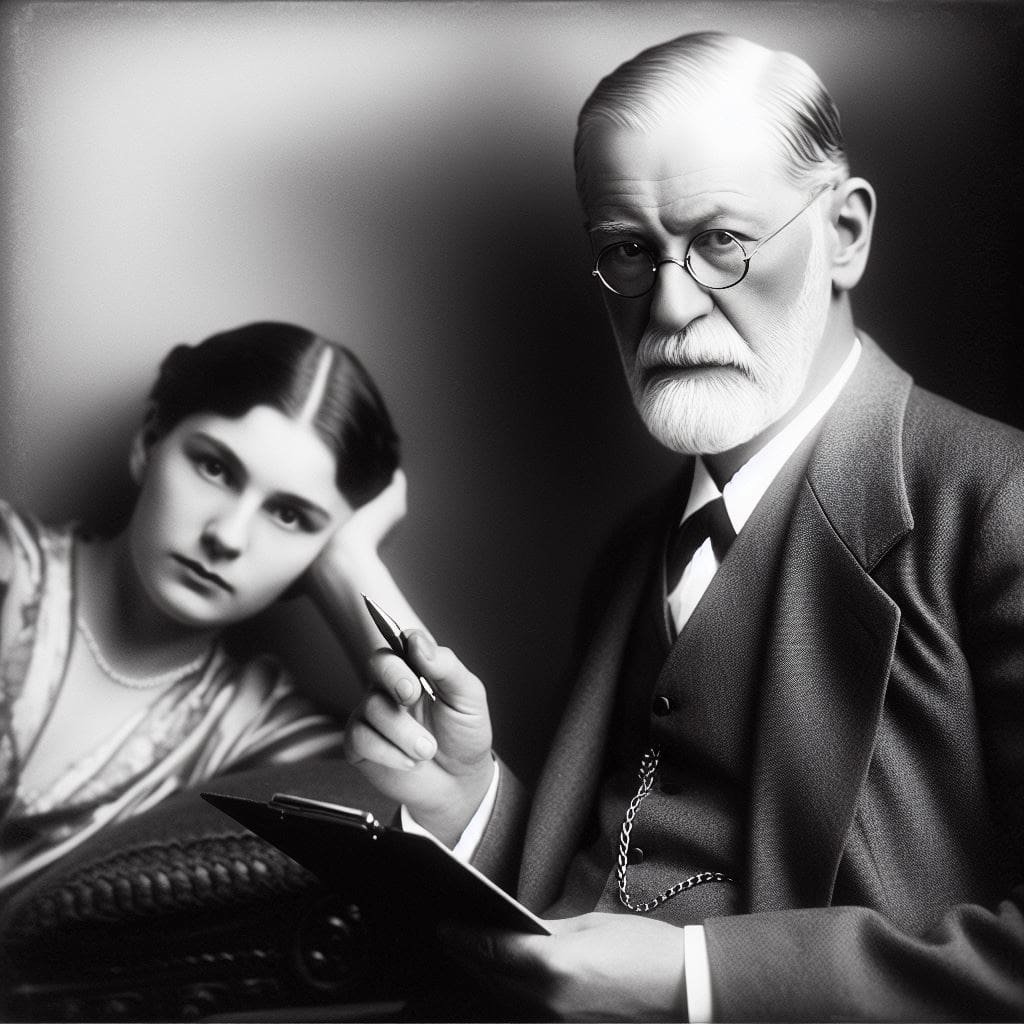
Tag: Psychoanalysis

  • Revisiting Freud: Contemporary Views on Freudian Theory

    Revisiting Freud: Contemporary Views on Freudian Theory

    Advertisements

    1. Criticisms of Freudian theory

    While Freud’s theories have been instrumental in shaping psychoanalysis, they have faced substantial criticism in contemporary times. One major critique concerns the lack of empirical evidence supporting many of Freud’s ideas. Critics argue that Freud’s reliance on case studies and introspection limited his work’s scientific validity. Moreover, his emphasis on the unconscious and the Oedipus complex has been challenged for its unfalsifiability and lack of replicability in experimental settings.

    2. The development of psychodynamic theories

    Contemporary psychologists have built upon and refined Freud’s ideas, forming a broader range of psychodynamic theories. These revised perspectives, such as those proposed by Carl Jung, Alfred Adler, and Melanie Klein, retain the importance of unconscious processes but incorporate additional variables like cultural influences, social context, and the importance of the self. By expanding Freudian theory, these approaches seek to encompass a more comprehensive understanding of human behaviour.

    3. The enduring contributions of Freud

    Despite criticism, Freud’s theories continue to have a lasting impact on psychology and popular culture. Several concepts introduced by Freud are now widely recognised and utilised in various therapeutic approaches. For instance, the use of dream analysis, free association, and the interpretation of defence mechanisms have been integrated into psychodynamic therapies, cognitive-behavioural therapy, and even in everyday language. Freud’s framework of the id, ego, and superego is also considered a valuable tool in understanding the complexities of human personality.

    4. Psychoanalysis in contemporary practice

    While psychoanalysis primarily associated with Freud has become less prevalent in modern therapy, it is still employed as an effective treatment method. Contemporary psychoanalysts have modified and adapted Freud’s techniques to suit the needs of diverse individuals. Additionally, psychodynamic therapy, drawing from Freudian theory, is often used to address deep-seated emotional issues and unresolved conflicts.

    5. Integration with other psychological perspectives

    Freudian theory has also found value in integration with other psychological theories. Researchers and practitioners often combine Freudian ideas with cognitive psychology, behavioural psychology, and neuroscience to form a more comprehensive understanding of human behaviour. These integrative approaches demonstrate the ongoing relevance and meaningful contributions of Freud’s work.

    Conclusion

    Freud’s theories laid the foundation for modern psychology, and while they have certainly faced scrutiny, they continue to inspire and influence contemporary views in the field. The criticisms directed towards Freudian theory have initiated essential changes and developments, resulting in a more nuanced understanding of human behaviour. As we revisit Freudian theory, it is crucial to recognise the enduring significance of Freud’s ideas while remaining open to new perspectives and advancements in our field.


    Advertisements
  • Exploring Jouissance: Discovering the Ecstasy of Life

    Exploring Jouissance: Discovering the Ecstasy of Life

    Advertisements

    Understanding Jouissance

    Jouissance, stemming from the French word “enjoyment,” goes beyond the usual understanding of seeking mere pleasure or satisfaction. Lacan describes it as an excessive pleasure, transcending the limits of everyday life and boundaries of societal norms. It is an intense feeling that lies beyond our grasp, always eluding capture, yet so remarkably captivating for every seeker.

    Lacan acknowledged that jouissance is an inherent part of the human psyche, residing beneath layers of conscious control. It can manifest itself in various forms, such as art, love, sexuality, or moments of pure euphoria. Therefore, exploring jouissance invites us to confront the depths of our desires and realise our unconventional passions and potentials.

    Breaking Free from Constraints

    To embrace jouissance, it is crucial to shed the chains of inhibitions and societal expectations that restrict our experiences of pleasure. This liberation requires self-knowledge and acceptance of our desires, even those we may have traditionally considered taboo or unconventional. By transcending these narrow viewpoints, we can open ourselves up to a world of possibilities, and the ecstasy that waits beyond our self-imposed boundaries.

    This exploration encourages us to challenge our preconceived notions, allowing true authenticity to guide our journey. While it may be uncomfortable at times, the rewards of this brave pursuit are boundless. By attuning ourselves to the desires and pleasures that reside within, we foster personal growth and enrich our lives with profound experiences.

    Discovering Essence through Art and Aesthetic Experiences

    Art, in all its forms, serves as a transformative medium that channels jouissance. Whether through painting, music, literature, or dance, engaging with art allows us to tap into our deepest emotions and experiences. It acts as a bridge between the conscious and unconscious, enabling us to access hidden reservoirs of pleasure and understand the essence of existence.

    Similarly, aesthetic experiences, such as witnessing a breathtaking sunset or feeling the touch of a gentle breeze on our skin, can transport us to a state of pure bliss. These moments, when fully embraced and appreciated, amplify our connection to the world around us and enable us to revel in the sheer beauty of life.

    Embracing Jouissance for Personal Growth

    Embracing jouissance is not about constant indulgence or reckless abandon but rather about recognising that the pursuit of ecstatic experiences cultivates personal growth. The path towards jouissance asks us to genuinely engage with our emotions, desires, and vulnerabilities, fostering self-awareness and nurturing empathy towards others.

    By exploring jouissance, we are encouraged to reflect on our lives, challenge conventionality, and venture into the unknown. It awakens our senses to the richness of life, intensifying our relationships, and enabling us to connect with others on a deeper, more authentic level.

    Final Thoughts

    Exploring jouissance is an invitation to embrace the ecstasy and bliss that lies beneath the surface of our conventional lives. It encourages us to break free from the confines of societal norms and personal inhibitions, opening ourselves up to a world of possibilities. Through art, aesthetic experiences, and the pursuit of personal strengths, jouissance enhances our understanding of self and the essence of living.

    Jouissance reminds us that life is more than mere existence. It calls us to seek pleasure, challenge limitations, and experience the boundless joy that awaits. So, let us embark upon this liberating journey, engaging with jouissance to unlock our capacity for ecstatic living and unearthing the true treasures of our humanity.

    Advertisements
  • Unmasking the Complexities of Displacement

    Unmasking the Complexities of Displacement

    Advertisements

    Defining Displacement

    Displacement, a concept first introduced by Sigmund Freud, refers to the unconscious redirection of emotions or impulses from their original target to a less threatening or socially acceptable substitute. Imagine a person shifting their anger towards their spouse onto an unsuspecting colleague or venting their frustrations through aggressive sports. In these scenarios, the individual utilises displacement as a mechanism to escape confrontation or mitigate anxiety.

    The Mechanism of Displacement

    At its core, displacement operates on the premise that certain emotions or impulses become too overwhelming to confront directly, prompting the mind to redirect them elsewhere. This redirection often occurs without the individual’s conscious awareness, as the mind seeks to protect and preserve their psychological well-being. By displacing emotions onto an alternative target, individuals can maintain a semblance of control and avoid acknowledging the root cause of their distress.

    Understanding the Origins

    Displacement’s origins trace back to early childhood experiences and development. As children, we learn to navigate the complex social dynamics and expectations around us. Often, we encounter situations where expressing certain emotions, such as anger, may result in punishment or disapproval. In response, the mind captures these experiences and constructs defence mechanisms to keep those unacceptable emotions hidden.

    For example, a child scolded for expressing anger towards their parents might internalise the belief that anger is “wrong” or “bad.” Consequently, they may grow into adults who instinctively displace their anger onto safer targets, such as friends, colleagues, or even inanimate objects, rather than confronting and expressing it directly.

    The Manifestations of Displacement

    Displacement can manifest in various forms, sometimes leading to puzzling or seemingly unrelated behaviours. Individuals might engage in excessive work or exercise routines to channel their emotions, inadvertently displacing anxiety or stress. Similarly, individuals struggling with relationships might withdraw emotionally, unconsciously transferring their fear of intimacy onto purportedly insignificant factors such as trivial arguments or daily chores.

    Displacement can also surface in dreams, where the mind presents symbolic representations of displaced emotions, further obscuring their origin. Understanding these dream manifestations can be helpful in deciphering the unconscious conflicts driving an individual’s behaviour.

    The Role of Psychoanalysis

    Psychoanalysis, as a therapeutic approach, plays an instrumental role in unmasking and resolving the complexities of displacement. By delving into the person’s subconscious, psychoanalysts can assist individuals in identifying and understanding their inner conflicts, helping them trace displaced emotions back to their source. Through the cultivation of self-awareness, patients can differentiate between the original emotions and the substitute targets, eventually allowing for direct confrontation and resolution of their deeply rooted conflicts.

    Conclusion

    Displacement, a defence mechanism woven intricately into the human psyche, provides an opportunity for individuals to explore their unconscious emotions and conflicts. As we unravel the complexities behind displaced emotions, we develop a profound understanding of the profound impact they exert on our thoughts, actions, and relationships. Through the lens of psychoanalysis, we gain valuable insights into ourselves, ultimately fostering personal growth and liberation from the grips of displacement.

    Advertisements
  • The Intricate Topology of the Unconscious Mind

    The Intricate Topology of the Unconscious Mind

    Advertisements

    Defining the Unconscious Mind

    The concept of the unconscious mind was initially proposed by Sigmund Freud, the renowned psychoanalyst. Freud held that the unconscious consists of thoughts, desires, memories, and impulses that lie below the surface of our conscious awareness. It acts as a storehouse, influencing our thoughts, emotions, and actions, even though we may not be conscious of its influence.

    Topology of the Unconscious Mind

    Understanding the topology of the unconscious mind requires delving into its various components and functions. Let’s explore three crucial elements that shape its intricate landscape:

    1. Emotional Memory Storage: The unconscious mind serves as a repository for emotional memories, experiences, and traumas that have shaped our lives. These memories can influence our behaviour, biases, and reactions, often without us consciously realising it. Exploring and addressing these buried emotions can lead to personal growth and healing.

    2. Symbolic Language and Dreams: The unconscious mind communicates through imagery, symbolism, and dreams. These symbols serve as a bridge between the conscious and unconscious realms, offering insights into our fears, desires, and unresolved conflicts. By analysing dreams and paying attention to these symbols, we may gain valuable insights into our own psyche.

    3. Implicit Learning and Habits: The unconscious mind plays a vital role in acquiring new skills, forming habits, and automating repetitive tasks. This implicit learning allows us to perform complex actions effortlessly, such as riding a bicycle or driving a car. Understanding this aspect of the unconscious can aid in skill acquisition and behaviour change.

    The Power and Influence of the Unconscious Mind: The unconscious mind exerts a significant influence on our daily lives, shaping our behaviour, decisions, and even perceptions. It can subtly guide our choices, actions, and relationships, often outside our conscious awareness. Recognising and understanding these unconscious influences grants us the opportunity to make more intentional choices and create positive change.

    Unlocking the Potential: Although the unconscious mind can sometimes seem intimidating due to its hidden nature, it also holds tremendous potential for personal growth and self-discovery. Embracing this complex landscape can lead to profound insights, increased self-awareness, and improved overall well-being. Techniques such as meditation, introspection, and therapy can serve as gateways to accessing and understanding the unconscious mind.

    Conclusion

    The topology of the unconscious mind remains both fascinating and enigmatic. As our understanding continues to evolve, we embark on a journey of self-discovery and exploration. By recognising the power of the unconscious and actively engaging with it, we open doors to personal growth, healing, and a deeper understanding of ourselves. Embrace the mysteries that lie beneath the surface, and may your exploration of the unconscious mind lead you to new insights and transformative experiences.

    Advertisements
  • The Secrets of Object Libido: Understanding Our Fascination with Inanimate Objects

    The Secrets of Object Libido: Understanding Our Fascination with Inanimate Objects

    Advertisements

    Defining Object Libido

    Derived from Freud’s psychoanalytic theory, object libido refers to the projected sexual and emotional desires we attribute to inanimate objects. It describes the phenomenon where individuals form distinct relationships or connections, often suggestive or romantic, with objects. While some might find this perplexing or may even dismiss it as a fetish, object libido provides a unique perspective into human psychology and the complexities of desire.

    The Nature of Object Libido

    Object libido encompasses a wide spectrum of experiences, ranging from simple emotional attachments to intricate fantasies involving objects. It is not unusual for people to anthropomorphise objects, granting them personalities, feelings, and even sexual appeal. Consider the popularity of movies like “Toy Story,” where toys come to life when humans are not around. These depictions resonate with our deep-rooted inclination to attach human characteristics to objects.

    Root Causes and Psychological Explanations

    1. Childhood Experiences: Object libido can be traced back to our earliest experiences as children. Many of us had toys or objects that served as comforting companions, offering us solace in times of distress or boredom. These fond memories may influence adult relationships with similar objects.

    2. Symbolic Associations: Certain objects can serve as symbolical representations of certain people, memories, or emotions. For instance, a necklace worn by a loved one can evoke strong feelings and associations, leading to an attachment to the object itself.

    3. Control and Perfection: Objects are often highly controllable, clean, and aesthetically pleasing. In a world where human relationships are complex and often messy, object libido can provide a sense of control, leading some individuals to prefer objects over people.

    4. Emotional Substitution: Object attachment can also come as a result of unfulfilled emotional needs. When faced with difficulties in establishing meaningful connections with humans, channelling emotions and desires towards objects may act as a convenient emotional substitute.

    The Role of Object Libido in Our Lives

    Object libido may be seen as innocuous fantasy, a coping mechanism, or even a manifestation of one’s creativity. When properly balanced, these infatuations can provide comfort, promote relaxation, and act as safe outlets for emotions. However, it becomes problematic when it hinders healthy interpersonal relationships or interferes with daily functioning.

    Understanding and Acceptance

    It is essential to grasp that object libido, while not understood by everyone, is a valid and personal experience for many individuals. Rather than hastily labelling it as strange or taboo, fostering an open-minded approach helps foster a compassionate understanding of human complexities.

    Seeking Support

    For individuals who find their object attachments negatively impacting their lives or relationships, seeking professional support can be beneficial. Psychotherapy can aid in exploring the subconscious motivations behind these infatuations, unravelling any underlying traumas, and developing healthier coping mechanisms.

    Conclusion

    Our inclination towards object libido may appear unconventional, but it offers a glimpse into the complexities of human psychology and emotions. Whether stemming from childhood memories, a desire for control, or emotional substitution, attaching emotions and desires to inanimate objects can both serve as a source of comfort and hinder interpersonal growth. By understanding and accepting this facet of human nature, we can foster inclusivity, empathy, and a greater understanding of the unique ways we experience the world around us.

    Advertisements
  • The Cognitive Processes of Psychopathy: Understanding the Enigmatic Minds

    The Cognitive Processes of Psychopathy: Understanding the Enigmatic Minds

    Advertisements

    1. Emotion Processing Deficits

    One of the primary cognitive distinctions in psychopathy lies in impaired emotion processing. Psychopaths experience a diminished ability to feel emotions, particularly those related to empathy, guilt, and remorse. This emotional deficit allows them to engage in morally questionable behaviour without experiencing the inherent emotions that would deter most individuals.

    Studies have indicated notable differences in brain regions such as the amygdala, which is responsible for processing emotions, between psychopaths and the general population. Consequently, psychopaths often exhibit shallow emotions and struggle to recognise or understand the emotions of others, further fuelling their manipulative tendencies.

    2. Impaired Moral Reasoning

    While psychopaths may not experience emotions like guilt and empathy as others do, their cognitive processes allow them to rationalise their actions. Psychopaths exhibit deficits in moral reasoning, which often leads to distorted beliefs about right and wrong. They are adept at justifying their immoral behaviour, viewing themselves as victims or disregarding the moral implications of their actions altogether.

    3. Superior Manipulation Skills

    A key attribute that distinguishes psychopaths is their exceptional persuasion and manipulation abilities. Their cognitive processes enable them to read the emotions and vulnerabilities of others, often exploiting them for personal gain. Psychopaths possess an uncanny ability to mimic social cues and emotions, using them to manipulate individuals around them.

    This manipulation is underpinned by another cognitive process called “theory of mind.” Psychopaths possess a heightened ability to understand and predict the thoughts, feelings, and intentions of others, which they leverage to their advantage. This cognitive advantage provides them with a significant edge in manipulation and further feeds their need for control and dominance.

    4. Reduced Fear and Aversion

    Psychopaths exhibit weakened fear responses when faced with potentially dangerous situations. Research shows reduced activity in brain regions associated with fear, such as the amygdala and prefrontal cortex. This diminished fear allows psychopaths to engage in risk-taking behaviours without experiencing the typical apprehension that restrains most individuals.

    Final Thoughts

    The cognitive processes of psychopathy present a complex and intriguing subject of study. Their diminished emotional responses, impaired moral reasoning, exceptional manipulation skills, and reduced fear and aversion contribute to their enigmatic nature. Understanding these cognitive processes offers insight into how psychopaths perceive and interact with the world, providing a glimpse into their distorted moral compass and manipulative personality.

    While the cognitive processes of psychopathy remain a subject of ongoing research, it is important to remember that not all individuals exhibit the same characteristics. The intense study of psychopathy aims to better inform therapeutic interventions, devise preventive measures, and foster a greater understanding of this intriguing personality disorder.

    Advertisements
  • Freudian Psychoanalysis: A Comprehensive Guide

    Freudian Psychoanalysis: A Comprehensive Guide

    Advertisements

    1. The Unconscious Mind

    Freud argued that our behaviour and thoughts are influenced by unconscious experiences and desires. The unconscious mind consists of repressed memories, desires, and unresolved conflicts, which can shape our behaviour without us being consciously aware of them. Exploring and understanding the unconscious mind is an essential aspect of psychoanalysis, as it aids in uncovering the root causes of emotional and psychological issues.

    2. Psychoanalytic Techniques

    Freud developed various techniques to access the unconscious and help patients gain insights into their conflicts. The most notable of these is “free association,” where patients express their thoughts and ideas without censoring or filtering them. By observing patterns and connections in these spontaneous associations, therapists can uncover hidden motives and unresolved conflicts. Dream analysis is another technique that focuses on interpreting the content and symbolism of patients’ dreams to reveal their unconscious desires and wishes.

    3. Childhood Experiences

    Freud believed that our childhood experiences significantly shape our adult behaviour and personality. He introduced the concept of psychosexual development, which suggests that individuals pass through several stages of psychosexual development, such as the oral, anal, phallic, latent, and genital stages. At each stage, individuals may face conflicts, which, if unresolved, can lead to long-term psychological issues. Psychoanalysis aims to uncover and resolve these unresolved childhood conflicts to promote healthier adult functioning.

    4. Defence Mechanisms

    According to Freud, defence mechanisms are strategies employed by the unconscious mind to protect the individual from anxiety and deal with unresolved conflicts. These mechanisms work by distorting or transforming reality, thereby blocking potentially distressing thoughts or emotions. Common defence mechanisms include repression, denial, projection, displacement, and sublimation. Understanding defence mechanisms is crucial as they shed light on why individuals may engage in certain behaviours or develop maladaptive coping mechanisms.

    5. Criticisms of Freudian Psychoanalysis

    While Freudian psychoanalysis has made significant contributions to psychology, it is not without its critics. One major criticism is the lack of empirical evidence supporting some of Freud’s theories. Additionally, modern research has demonstrated that our behaviour and cognition are influenced by a variety of factors beyond the unconscious mind, such as social and cultural influences. Despite these criticisms, Freudian psychoanalysis remains influential in understanding the human psyche.

    Conclusion

    Freudian psychoanalysis continues to shape the field of psychology, providing valuable insights into the complexities of the human mind. By exploring the unconscious mind, analysing dreams, and delving into childhood experiences, psychoanalysis offers a unique approach to understanding and addressing psychological issues. While some of Freud’s theories have evolved or been challenged in recent years, the core principles of psychoanalysis continue to influence therapeutic practices today. The comprehensive guide provided in this blog post will undoubtedly whet your appetite for exploring Freudian psychoanalysis further and shed light on its enduring impact on our understanding of human behaviour and psychology.

    Advertisements