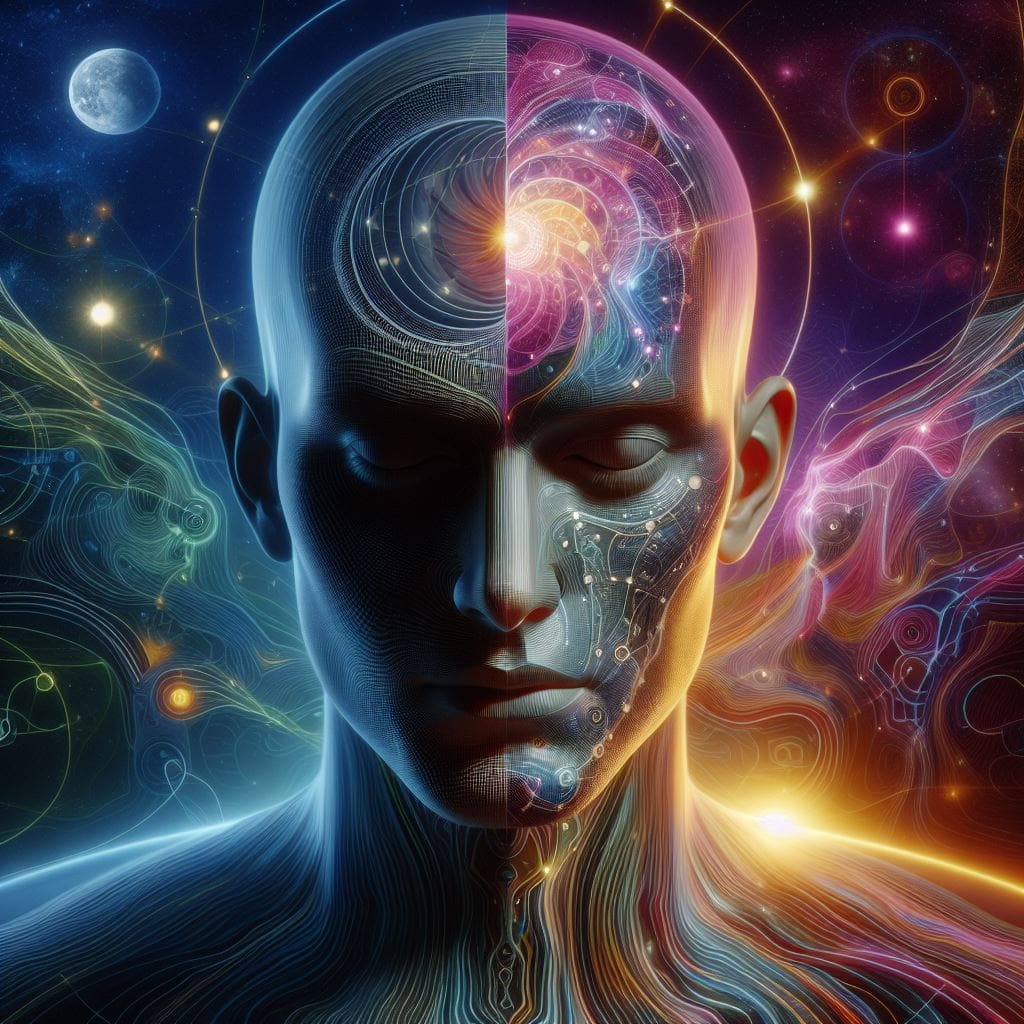

The human mind is a vast and mysterious landscape, housing not only our conscious thoughts and experiences but also an intricate realm called the unconscious mind. While the conscious mind is readily accessible, our understanding of the hidden landscape of the unconscious is still evolving. In recent years, researchers and psychologists have made significant progress in unravelling the topology of the unconscious mind, shedding light on its dimensions, functions, and influence on our daily lives. Join me on a captivating journey as we explore the hidden world within ourselves.
Defining the Unconscious Mind
The concept of the unconscious mind was initially proposed by Sigmund Freud, the renowned psychoanalyst. Freud held that the unconscious consists of thoughts, desires, memories, and impulses that lie below the surface of our conscious awareness. It acts as a storehouse, influencing our thoughts, emotions, and actions, even though we may not be conscious of its influence.
Topology of the Unconscious Mind
Understanding the topology of the unconscious mind requires delving into its various components and functions. Let’s explore three crucial elements that shape its intricate landscape:
1. Emotional Memory Storage: The unconscious mind serves as a repository for emotional memories, experiences, and traumas that have shaped our lives. These memories can influence our behaviour, biases, and reactions, often without us consciously realising it. Exploring and addressing these buried emotions can lead to personal growth and healing.
2. Symbolic Language and Dreams: The unconscious mind communicates through imagery, symbolism, and dreams. These symbols serve as a bridge between the conscious and unconscious realms, offering insights into our fears, desires, and unresolved conflicts. By analysing dreams and paying attention to these symbols, we may gain valuable insights into our own psyche.
3. Implicit Learning and Habits: The unconscious mind plays a vital role in acquiring new skills, forming habits, and automating repetitive tasks. This implicit learning allows us to perform complex actions effortlessly, such as riding a bicycle or driving a car. Understanding this aspect of the unconscious can aid in skill acquisition and behaviour change.
The Power and Influence of the Unconscious Mind: The unconscious mind exerts a significant influence on our daily lives, shaping our behaviour, decisions, and even perceptions. It can subtly guide our choices, actions, and relationships, often outside our conscious awareness. Recognising and understanding these unconscious influences grants us the opportunity to make more intentional choices and create positive change.
Unlocking the Potential: Although the unconscious mind can sometimes seem intimidating due to its hidden nature, it also holds tremendous potential for personal growth and self-discovery. Embracing this complex landscape can lead to profound insights, increased self-awareness, and improved overall well-being. Techniques such as meditation, introspection, and therapy can serve as gateways to accessing and understanding the unconscious mind.
Conclusion
The topology of the unconscious mind remains both fascinating and enigmatic. As our understanding continues to evolve, we embark on a journey of self-discovery and exploration. By recognising the power of the unconscious and actively engaging with it, we open doors to personal growth, healing, and a deeper understanding of ourselves. Embrace the mysteries that lie beneath the surface, and may your exploration of the unconscious mind lead you to new insights and transformative experiences.
Share this:

You Might Also Enjoy Reading