
Category: Psychology

  • The Psychology of Human Rights

    The Psychology of Human Rights

    Advertisements

    The Principle of Empathy

    Empathy stands at the core of human rights. It is the ability to understand and share the feelings of others, enabling us to connect with the experiences of those around us. From a psychological perspective, empathy is a powerful motivator, driving us to defend human rights against any violation.

    Research suggests that empathy is an innate quality in humans. We are wired to connect emotionally with others and experience their joy, sorrow, and pain, allowing us to establish meaningful relationships. This shared experience forms the basis for our understanding of human rights: the ability to put ourselves in someone else’s shoes, to recognise their inherent worth, and to fight for their justice.

    Universalism vs. Cultural Relativism

    The psychology of human rights also delves into the clash between universalism and cultural relativism. Universalism posits that certain rights are inherent to all individuals, regardless of culture or societal norms. Cultural relativism, on the other hand, argues that rights are context-dependent and shaped by cultural values.

    Psychological studies consistently show that our inclination towards empathy and the pursuit of human rights is rooted in a universal framework. While cultural relativism plays a role in human rights debates, it must not overshadow the shared human experiences that transcend cultural boundaries. Acknowledging both cultural diversity and our common humanity allows us to strike a balance that respects the cultural context while upholding fundamental human rights.

    The Impact of Human Rights Violations on Mental Well-Being

    Understanding the psychology of human rights involves recognising the detrimental effects of rights violations on individuals and communities. When human rights are undermined or denied, individuals experience a profound impact on their mental well-being.

    Studies indicate that prolonged exposure to human rights violations, such as torture, arbitrary detention, or discrimination, can lead to psychological trauma, depression, anxiety, and post-traumatic stress disorder. The psychological scars are deep, creating a ripple effect on societal well-being. A comprehensive approach to human rights should include not only legal protection but also psychological support and rehabilitation for survivors.

    The Role of Education in Fostering a Human Rights Culture

    Education is an essential tool for cultivating a society built on respect for human rights. It plays a crucial role in shaping attitudes, values, and beliefs, ultimately influencing behaviour. By incorporating human rights education early in formal education curricula, we can foster a generation of empathetic and proactive individuals who champion human rights.

    Teaching children about tolerance, equality, and diversity instils core values that challenge prejudice and discrimination. Such education empowers individuals to become agents of change and facilitates the creation of a society that respects and upholds human rights.

    Conclusion

    The psychology of human rights provides valuable insights into the fundamental principles that guide our pursuit of a just and equitable society. By examining empathy, balancing universalism with cultural relativism, understanding the psychological ramifications of rights violations, and harnessing the power of education, we can collectively reshape our world into a place where human rights are not just ideals, but deeply ingrained values for all. Embracing psychology’s role in human rights endeavours allows us to protect the rights of the vulnerable, promote social progress, and ultimately nurture a more compassionate and harmonious global community.

    Advertisements
  • Unmasking the Criminal Psyche: A Journey into Understanding

    Unmasking the Criminal Psyche: A Journey into Understanding

    Advertisements

    Understanding the Criminal Psyche

    The study of criminal psychology goes beyond stereotypical Hollywood images of psychopaths and serial killers. It encompasses a broad spectrum of deviant behaviour, including theft, fraud, assault, and even cybercrime. By uncovering the factors that contribute to criminal behaviour, we gain valuable insights into the minds of those who perpetrate these acts.

    Nature vs. Nurture: The Criminal Dichotomy

    One of the most debated questions in the field of criminal psychology revolves around the influence of nature and nurture on criminal behaviour. While some aspects of criminality may be influenced by genetic predispositions, it is generally accepted that environmental factors play a significant role in shaping criminal behaviour. Childhood trauma, neglect, abuse, and exposure to violence are commonly identified as catalysts for criminal tendencies.

    Understanding Criminal Motivation

    To truly unmask the criminal psyche, we must delve into the motivations behind criminal behaviour. While material gain is a common motivation for many crimes, such as theft or fraud, deeper psychological factors often underlie criminal actions. The need for power, control, revenge, or even a warped sense of justice can drive individuals to commit heinous acts. Unresolved emotional issues, personality disorders, and psychopathology further complicate the motivations behind criminal behaviour.

    The Anatomy of a Crime

    By examining the modus operandi of criminals, criminal profilers and psychologists can gain valuable insights into their psyche. Analysing crime scenes, victimology, and the specific details of each case helps investigators paint a psychological portrait of the perpetrator. Patterns, rituals, and signature behaviours often emerge, revealing the criminal’s underlying motives and emotional state.

    Prevention and Rehabilitation

    While understanding the criminal psyche helps us comprehend the motivations behind criminal acts, it also plays a crucial role in preventing future crimes and rehabilitating offenders. By recognising the early warning signs and risk factors associated with criminal behaviour, intervention and support systems can be implemented to address the root causes of deviant behaviour. By providing appropriate treatment, counselling, education, and opportunities for personal growth, society can potentially break the cycle of crime and enable individuals to reintegrate positively into their communities.

    Conclusion

    Unmasking the criminal psyche is not a simple task, as it involves exploring the deep recesses of the human mind that harbour darkness and deviance. By understanding the underlying motivations, factors, and behaviours associated with criminality, we gain valuable insights into the causes of crime and ways to prevent and rehabilitate offenders. While criminal psychology is a continually evolving field, its importance in our society cannot be overstated. Through ongoing research and a compassionate approach, we can hope to reduce the occurrence of crime and contribute to a safer and more understanding world.

    Advertisements
  • Genetic Predispositions in Psychopathy: Unravelling the Complexities

    Genetic Predispositions in Psychopathy: Unravelling the Complexities

    The Basics of Psychopathy

    Psychopathy is a personality disorder characterised by a lack of empathy, manipulative tendencies, impulsivity, and a disregard for societal norms. It is important to note that not all individuals with psychopathy engage in violent or criminal behaviour. Many live seemingly normal lives while presenting traits associated with the disorder.

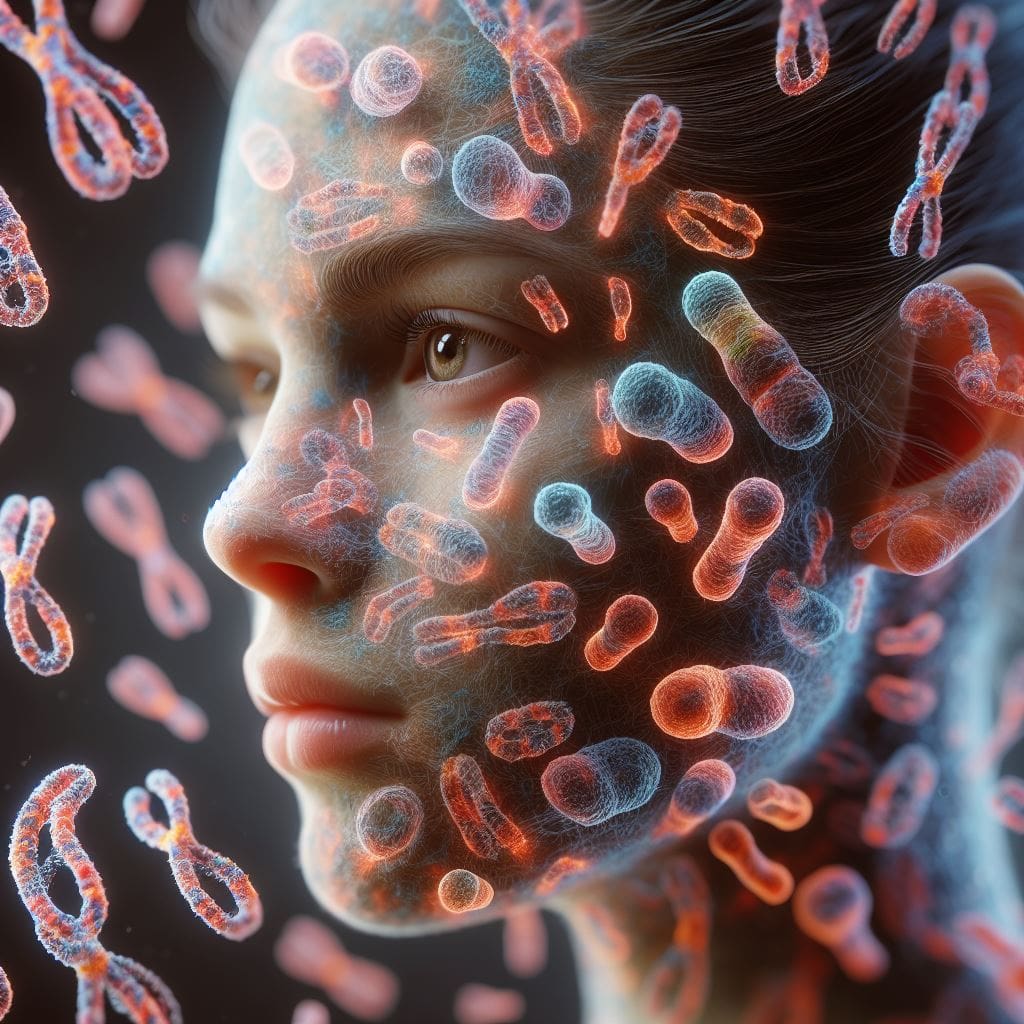
    The Genetic Perspective

    Researchers have long speculated that genetics play a significant role in the development of psychopathy. Studies involving twins have provided valuable insights into this link. Identical twins, who share 100% of their DNA, have a higher concordance rate for psychopathy compared to fraternal twins, who share only 50% of their DNA. This suggests genetic predisposition as a key factor.

    Genetic Markers and their Implications

    Recent advances in genomics have allowed scientists to identify specific genetic markers associated with psychopathy. One such gene that has garnered attention is the MAOA gene, which codes for an enzyme called monoamine oxidase A. This enzyme influences the levels of neurotransmitters like dopamine and serotonin, which are crucial for regulating mood and behaviour.

    Studies have shown that individuals with specific variants of the MAOA gene, commonly known as the “warrior gene,” have an increased likelihood of displaying aggressive, impulsive, and antisocial behaviours. However, it is important to acknowledge that genetic associations with psychopathy are not solely determined by a single gene. Various other genetic and environmental factors also contribute to the development of this complex disorder.

    Gene-Environment Interplay

    Psychopathy is not solely a product of genetic factors; environmental factors also heavily influence its manifestation. Adverse childhood experiences, such as neglect, abuse, or trauma, can exacerbate the expression of genetic predispositions. The interaction between genes and environment is therefore a crucial aspect to consider when examining psychopathy.

    Potential Benefits of Genetic Research

    Understanding the genetic foundations of psychopathy has far-reaching implications. Firstly, it aids in earlier identification and intervention, especially in high-risk individuals. Secondly, it offers insights into personalised treatment approaches that can maximise efficacy and minimise harm. By identifying specific genetic markers, we may be able to develop targeted therapies designed to mitigate the symptoms associated with psychopathy.

    Conclusion

    The study of genetic predispositions in psychopathy is an ongoing endeavour aimed at unravelling the complexities behind this enigmatic disorder. While genetics undoubtedly play a role in susceptibility, it is important to emphasise that psychopathy is a multifaceted condition influenced by both genetic and environmental factors. By deepening our understanding of the genetic underpinnings of psychopathy, we lay the foundation for more effective prevention, early intervention, and treatment strategies in the future.

  • Offender Profiling: Key Concepts

    Offender Profiling: Key Concepts

    The first concept to understand is that offender profiling is not a magical solution to catching criminals. It is a tool used alongside other investigative techniques to build a clearer picture of the person responsible for the crime. Profilers take into account various aspects such as the nature of the crime, victimology, and contextual factors to develop a psychological profile of the offender. This profile can help investigators focus their efforts and resources on individuals who fit the description.

    The second concept is the classification of offenders into different typologies. Profilers often categorise offenders based on similarities in their characteristics and behaviours. This classification can help investigators in understanding potential motives, modus operandi, and even predicting future actions of the offender. For example, an organised offender is someone who plans their crimes meticulously, carefully selecting victims and leaving minimal evidence, while a disorganised offender may act impulsively, leaving behind a chaotic crime scene. By knowing what type of offender they are dealing with, investigators can tailor their strategies accordingly.

    Next, we have the concept of signature behaviour versus modus operandi. A signature behaviour refers to unique aspects of a crime that do not serve any practical purpose but are driven by the offender’s psychological needs. These behaviours often remain consistent across multiple offences and reflect the offender’s fantasies or desires. On the other hand, modus operandi refers to the practical aspects of the crime, such as the methods used to gain entry or escape. By understanding both the signature behaviour and the modus operandi, profilers can gain insights into the offender’s personality and psychological state.

    Another key concept in offender profiling is geographical profiling, which focuses on the spatial aspects of crimes. By analysing the locations and patterns of crime scenes, profilers can narrow down potential areas where the offender might live, work, or frequent. This information helps investigators concentrate their efforts on specific regions or communities, increasing the likelihood of apprehending the criminal.

    It is essential to acknowledge that offender profiling is not infallible, and it has its limitations. The accuracy of profiles can depend on the information available, the experience of the profiler, and the uniqueness or distinctiveness of the case. Additionally, profilers need to accurately interpret the evidence and not make assumptions based solely on their own biases or preconceived notions.

    In conclusion, offender profiling is a valuable tool in criminal investigations, aiding in narrowing down suspects, understanding motives, and predicting future actions. By analysing the characteristics, behaviours, and patterns of offenders, profilers help law enforcement agencies focus their efforts and resources. However, it is crucial to remember that profiling is just one piece of the investigative puzzle and should be used in conjunction with other techniques. With advancements in psychology, forensic science, and data analysis, the field of offender profiling continues to evolve and contribute to the fight against crime.

  • The Psychology Behind Extrajudicial Actions: Factors

    The Psychology Behind Extrajudicial Actions: Factors

    1. Group dynamics and identity

    Extrajudicial actions often arise within specific social or ideological groups, where shared identities, beliefs, and grievances fuel collective solidarity. Group dynamics play a pivotal role in shaping the psychological make-up of those who engage in extrajudicial activities. Through mechanisms such as groupthink, where dissenting opinions are suppressed in favour of conformity, individuals may become inclined to condone or actively participate in extrajudicial actions. The sense of belonging and validation provided by the group reinforces willingness to go beyond legal boundaries.

    2. Emotional responses and moral justifications

    Emotions, particularly those associated with anger, fear, or a sense of injustice, can drive extrajudicial actions. Experiencing a perceived threat, victims or their sympathisers may resort to vigilantism or street justice as a means to seek retribution or protection. Such emotional responses can override rational decision-making processes, especially when fuelled by a belief in moral superiority or righteousness. Psychologists assert that when individuals perceive themselves as soldiers for a cause, they may develop a warped sense of morality that justifies extrajudicial actions as necessary or heroic.

    3. Dehumanisation and cognitive biases

    Dehumanisation is a psychological mechanism prevalent in cases of extrajudicial actions. Individuals may detach themselves from the humanity of their victims, often attributing negative stereotypes or denial of their rights. This cognitive bias allows perpetrators to justify their actions, as the victims become mere objects or symbols representing a larger perceived threat. Dehumanisation, coupled with cognitive biases such as confirmation bias or selective perception, reinforces the narrative constructed by the perpetrators, blinding them to alternative perspectives and dissenting opinions.

    4. Authority and obedience

    Extrajudicial actions are not confined to individuals acting based on personal motivations; they can also be carried out on behalf of or under the influence of higher authorities. Social psychology studies have illustrated the power of obedience to authority figures, even when their commands go against personal ethics or established laws. The Milgram experiment and the Stanford Prison Experiment are notable examples showcasing how individuals can be compelled to commit both minor and significant atrocities under the directives of perceived authority figures. In the context of extrajudicial actions, these dynamics highlight the role played by leadership and command structures in fostering or sanctioning illicit behaviour.

    Conclusion

    The world bears witness to a myriad of extrajudicial actions that disrupt the very fabric of society and call into question the principles we uphold. Understanding the psychology behind such actions is crucial in seeking effective preventive measures and redressing the damage caused. By recognising the influence of group dynamics, emotional responses, cognitive biases, and authority obedience, we can develop strategies to strengthen legal frameworks, promote empathy, and foster a greater sense of justice among individuals and communities. Only through a concerted effort to address the complex psychological underpinnings of extrajudicial actions can we hope to safeguard the principles of justice and fairness that form the backbone of our modern legal systems.

  • The Neurobiology of Psychopathy: Unravelling the Mysteries of a Complex Disorder

    The Neurobiology of Psychopathy: Unravelling the Mysteries of a Complex Disorder

    The Complex Nature of Psychopathy

    Psychopathy is characterised by a combination of personality traits such as superficial charm, impulsivity, lack of empathy, and a profound disregard for societal norms. Although the exact origins of this disorder remain controversial, a growing body of scientific evidence suggests that certain brain abnormalities play a pivotal role in its development.

    Key Brain Regions Involved

    1. Prefrontal Cortex (PFC): The PFC, responsible for executive functions such as decision-making, impulse control, and evaluating consequences, plays a crucial role in psychopathy. Multiple studies have reported reduced grey matter volume and functional abnormalities in this area among psychopathic individuals. Dysfunctions in the PFC weaken the individual’s ability to inhibit impulsive behaviours, leading to heightened aggression and a disregard for morality.

    2. Amygdala: The amygdala, known for processing emotions, particularly fear, is consistently found to be structurally and functionally different in individuals with psychopathy. Diminished activity in the amygdala leads to a reduced ability to recognise and respond to distress cues in others, ultimately contributing to a lack of empathy and emotional connection.

    3. Anterior Cingulate Cortex (ACC): The ACC, involved in emotional processing and conflict monitoring, exhibits abnormalities in psychopathy. Disruptions in this region hinder the individual’s ability to use emotional feedback to correct behaviour or feel remorse, further cementing the psychopathic traits of callousness and indifference.

    Neurochemical Factors

    Research has also explored the role of neurotransmitters in psychopathy. A particular focus has been placed on the impact of reduced serotonin. Serotonin is essential for regulating mood, impulsivity, and social behaviour. Low levels of serotonin have been associated with increased aggression and impulsivity. Consequently, individuals with psychopathy may exhibit these behaviours due to serotonin dysregulation.

    Environmental Influences

    While neurobiological factors provide important insights into the origins and mechanisms of psychopathy, it is important to recognise that environmental influences interact with genetic predispositions. Childhood experiences, such as abuse, neglect, or inconsistent parenting, can significantly contribute to the development and manifestation of psychopathy.

    Conclusion

    The neurobiology of psychopathy is undeniably complex, involving intricate interactions between genetic factors, brain structure, and environmental influences. Understanding the underlying neural mechanisms not only increases our knowledge of this enigmatic disorder but also holds potential for developing targeted interventions, such as therapeutic approaches aimed at modulating neural activity. By unravelling the neurobiology of psychopathy, we inch closer to gaining the understanding necessary for effective prevention and treatment strategies for this challenging condition.

  • Sado-Masochism: Understanding its Intricate Psychology

    Sado-Masochism: Understanding its Intricate Psychology

    Defining Sado-Masochism

    Sado-masochism, often referred to as BDSM (Bondage, Discipline, Dominance, Submission, Sadism, and Masochism), encompasses a range of activities involving sexual or erotic dominance, submission, and the exchange of power. However, it is essential to understand that acts of sado-masochism exist within the realm of consensual adult relationships, making it a legitimate practice distinct from non-consensual abuse.

    Understanding the Mindset of Sadists

    Contrary to popular belief, sadists— the individuals who derive pleasure from inflicting pain or humiliation on others— do not possess malicious or sadistic tendencies in their day-to-day lives. Psychological studies often reveal that individuals engaging in sadistic sexual behaviour often establish clear boundaries and frameworks with their partners, emphasising consent and safety. For many, the act of dominance allows them to experience a heightened sense of power and control, characteristics that may be absent from their daily lives. Additionally, sadism allows individuals to explore their fantasies in a controlled environment, offering a sense of liberation and fulfilment.

    The Complex Inner World of Masochists

    Masochism, on the other hand, involves deriving pleasure from receiving pain or humiliation. Contrary to misconceptions, masochists are not individuals with low self-esteem or a desire to be physically harmed outside of their chosen context. Instead, masochists find gratification in surrendering control and placing their trust and well-being into the hands of a dominant partner. Some masochists report an intense sense of emotional release and catharsis as they explore their boundaries and overcome self-imposed limitations. The practice often offers a transformative experience, allowing individuals to better understand their desires, boundaries, and emotional responses.

    The Power of Consent and Trust

    Consent and trust are pivotal components of sado-masochistic relationships. Open communication, negotiation of boundaries, and the establishment of safe words or signals ensure that both partners remain in control and can halt any activity if necessary. These relationships rely on active consent and a commitment to fostering emotional and physical well-being. Paradoxically, sado-masochistic relationships can be seen as healthier compared to many mainstream relationships due to the meticulous attention paid to communication and consent.

    Psychological Benefits and Therapeutic Applications

    Beyond its sexual nature, sado-masochism can have psychological benefits. By providing an opportunity for individuals to confront their fears, challenge societal taboos, and experience heightened states of vulnerability, practitioners may achieve personal growth and a deeper understanding of themselves. Furthermore, this exploration of power dynamics can serve as a powerful therapeutic tool in addressing past traumas, empowering individuals to reclaim their narrative or transform negative experiences into positive ones.

    Conclusion

    Understanding sado-masochism requires an open-minded and nuanced approach. By recognising the importance of consent, trust, and open communication within these relationships, we can dispel some of the misconceptions and preconceived notions surrounding the topic. While the psychology behind sado-masochism may be complex and multifaceted, it is essential to view these practices within a consensual adult framework, appreciating the personal growth and liberation that can emerge from this unique corner of human sexuality.