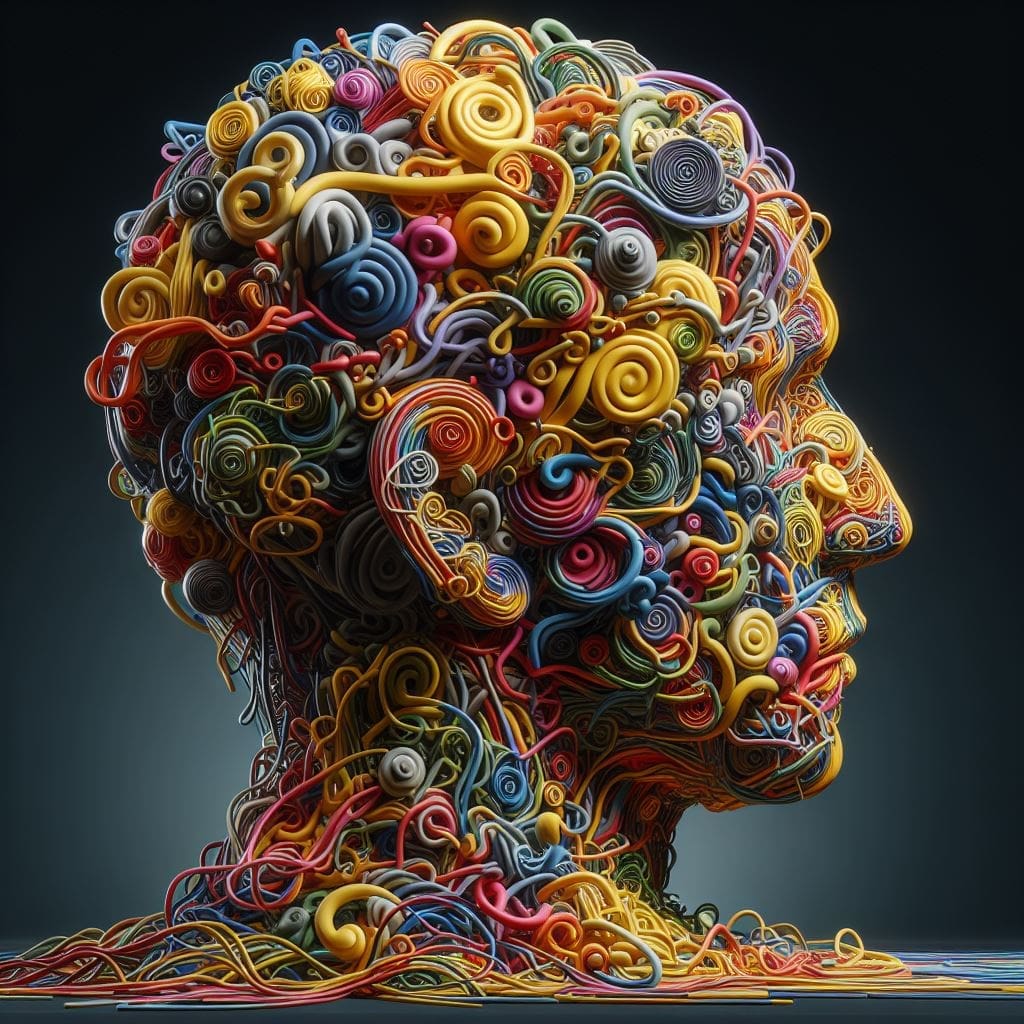


Psychopathy has long been a subject of great interest and curiosity for psychologists, researchers, and the general public alike. Popular culture often portrays psychopaths as ruthless, emotionless individuals lacking empathy and remorse. However, the reality is more complex, as psychopathy involves a specific pattern of emotional processing that sets it apart from other disorders. In this blog post, we will delve deeper into the intricacies of emotional processing in psychopathy, shedding light on this fascinating yet enigmatic aspect of the disorder.
Defining Psychopathy
Psychopathy, a personality disorder characterised by a constellation of traits such as lack of empathy, poor impulse control, manipulative behaviour, and egocentrism, has long puzzled researchers. Unlike other disorders, psychopathy is challenging to diagnose due to its overlapping features with other conditions such as varied personality disorders.
The Emotional Disconnect
Perhaps one of the most defining features of psychopathy lies in the emotional processing deficits experienced by those with the disorder. Research indicates that individuals with psychopathy struggle to experience emotions in the same way as the general population. They display shallow affect and find it difficult to understand and interpret emotions in others, leading to impaired empathy.
Structural and Functional Differences
Exploring the neural underpinnings of psychopathy provides additional insights into the emotional processing deficits observed in the disorder. Neuroimaging studies have demonstrated that individuals with psychopathy exhibit structural and functional differences in the brain areas responsible for processing emotions, such as the amygdala and anterior cingulate cortex.
While the amygdala plays a crucial role in emotional responses, psychopaths exhibit reduced activity in this region, suggesting deficits in emotional arousal. Additionally, the decreased functioning of the anterior cingulate cortex, responsible for integrating emotions and behavioural responses, may contribute to their lack of empathetic reactions.
The Role of the Prefrontal Cortex
Another key player in emotional processing is the prefrontal cortex (PFC), particularly the ventromedial PFC. This region is responsible for regulating emotions and making decisions based on our emotional experiences. In individuals with psychopathy, the dysfunction of the ventromedial PFC disrupts the balance between the emotional and cognitive aspects of decision-making, leading to impulsive and often immoral behaviour.
Adaptive Traits or Maladaptive Adaptation?
Despite the negative connotations associated with psychopathy, it is important to acknowledge that there are adaptive traits within the disorder that may have evolutionary advantages. For instance, psychopaths possess heightened resistance to stress, maintain a good social facade, and exhibit strong executive functions. These attributes may help camouflage their emotional deficits and aid in their ability to deceive and manipulate others successfully.
Final Thoughts
Emotional processing in psychopathy offers a window into the intricate emotional landscape of those diagnosed with the disorder. By exploring the structural, functional, and behavioural peculiarities of psychopathy, researchers hope to better understand the mechanisms underlying these deficits. Continued investigation into emotional processing in psychopathy could hold vital implications for developing effective intervention strategies and therapeutic approaches for individuals with the disorder.
Remember, psychopathy remains a complex topic, and it is crucial to be cautious when drawing generalisations. As research develops, we may gain further insights into this enigmatic disorder, eventually helping us bridge the gap between perception and reality in understanding psychopathy’s emotional processing.
Share this:

You Might Also Enjoy Reading