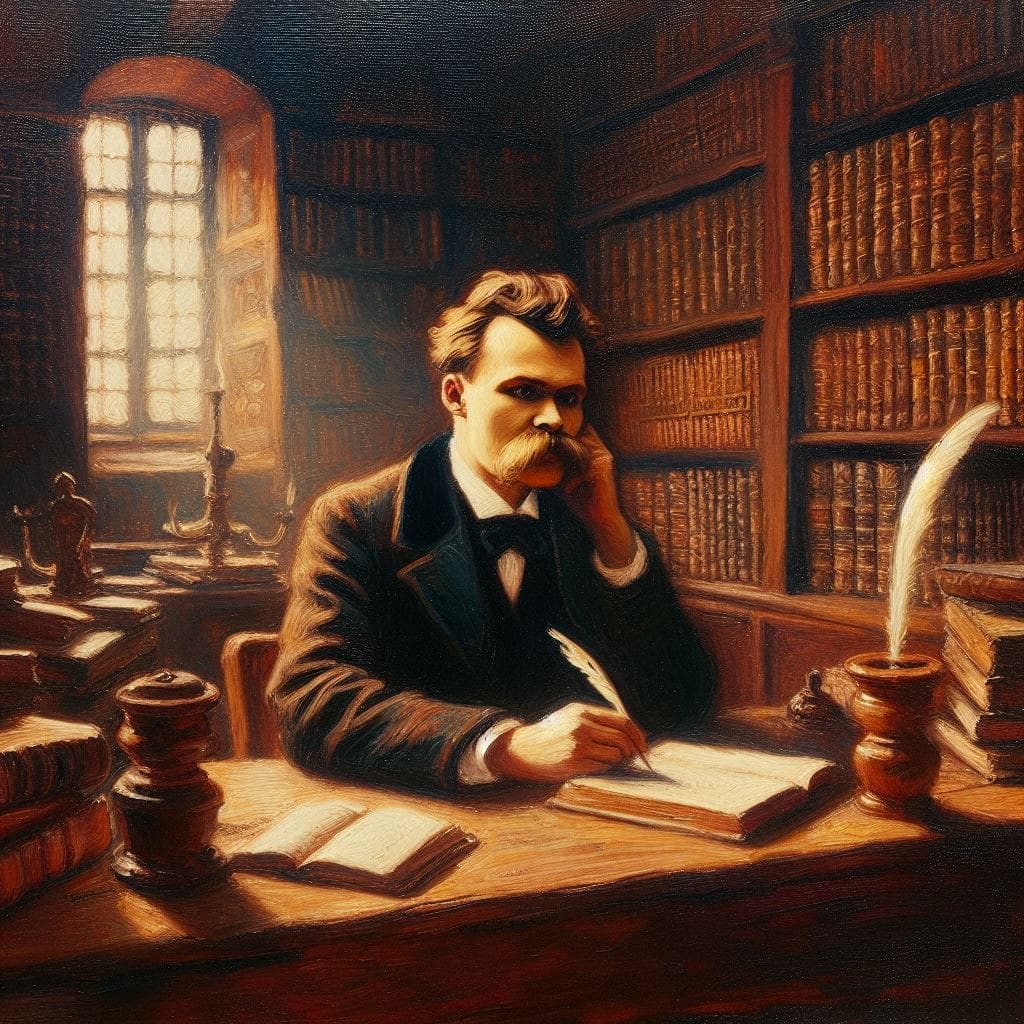
Delusional Disorder is a psychiatric condition characterised by the presence of fixed, false beliefs that are not based in reality. These beliefs can be bizarre or non-bizarre, but they are held with strong conviction and are not easily swayed by evidence to the contrary. While the exact causes of delusional disorder are still not fully understood, evolutionary psychology offers some fascinating insights into why this condition may exist and persist in humans.
One evolutionary perspective on delusional disorder suggests that it may have originally served a protective function for our ancestors. In prehistoric times, being overly suspicious or paranoid may have helped individuals to survive in a dangerous and unpredictable environment. Those who were more vigilant and distrusting of others may have been more likely to escape harm and pass on their genes to future generations. Thus, the tendency towards developing delusions may have been evolutionarily advantageous in certain contexts.
Another evolutionary explanation for delusional disorder relates to social functioning. Humans are highly social creatures, and our ability to effectively navigate complex social relationships has been crucial for our survival as a species. In this context, delusions may serve as a maladaptive coping mechanism for individuals who struggle to fit in socially. By creating elaborate belief systems that explain and justify their perceived mistreatment or exclusion by others, individuals with delusional disorder may be attempting to regain a sense of control and agency in their social world.
While these evolutionary perspectives offer interesting insights into the origins and potential functions of delusional disorder, it is important to note that they are just speculative theories and may not fully explain the complexities of this condition. Delusional disorder is a complex and multifaceted psychiatric illness that likely arises from a combination of genetic, biological, psychological, and environmental factors.
Despite the challenges in understanding and treating delusional disorder, evolutionary perspectives on this condition provide a valuable framework for exploring the origins of human behaviour and mental health. By examining the ways in which our evolutionary history may have shaped our cognitive processes and beliefs, we can gain a deeper understanding of the complexities of the human mind and the diverse ways in which mental illness manifests in our species.
Ultimately, delusional disorder serves as a reminder of the intricate interplay between our evolutionary past and our present-day experiences. By continuing to explore the evolutionary roots of psychiatric conditions like delusional disorder, we can deepen our understanding of the human mind and work towards developing more effective treatments and interventions for those who struggle with these debilitating beliefs.
Share this:

You Might Also Enjoy Reading