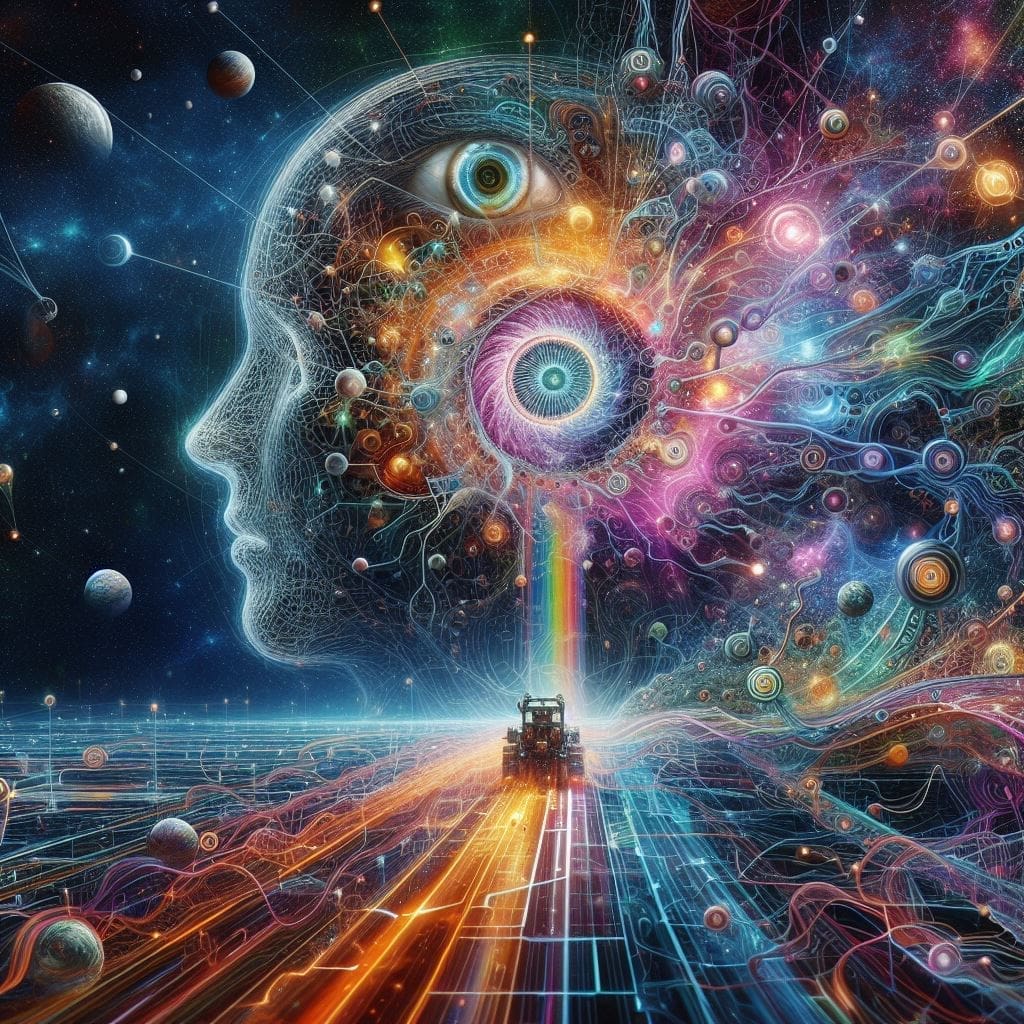
Have you ever heard someone talk endlessly about their impossible achievements or the grand conspiracies they believe surround them? Or perhaps you’ve encountered individuals who genuinely believe their thoughts are being broadcasted to the entire world? These are just a couple of examples of the diverse range of delusions that individuals suffering from Delusional Disorder may experience.
Delusional Disorder is a mental health condition characterised by the presence of fixed, false beliefs that are not influenced by reason or evidence. These false beliefs, known as delusions, can significantly impact one’s perception of reality and daily functioning. In this blog post, we will explore some of the various types of delusions commonly seen in individuals with Delusional Disorder.
1. Persecutory Delusions
One of the most well-known types of delusions is the persecutory subtype. Individuals with persecutory delusions firmly believe that they are being targeted, harassed, or conspired against by others. They may feel constantly watched, followed, or threatened, even without any evidence to support these beliefs. This can lead to a state of constant fear and paranoia, affecting their overall well-being and relationships.
2. Grandiose Delusions
On the opposite end of the spectrum, some individuals with Delusional Disorder experience grandiose delusions. These individuals believe they possess exceptional abilities, accomplishments, or status that surpass those of ordinary people. They often claim to be celebrities, religious figures, or possess special powers and talents. Grandiose delusions can lead to inflated self-importance and a disconnect from reality, impacting their social interactions and causing friction with others who may find their claims implausible.
3. Erotomanic Delusions
In erotomanic delusions, individuals genuinely believe that someone, often a high-status person or celebrity, is deeply in love with them. Even without any evidence or contact from the perceived object of their affection, these individuals may relentlessly pursue them, convinced of a hidden romance. Such delusions can lead to issues like stalking, harassment, and persistent fantasies that replace their engagement with reality.
4. Somatic Delusions
Somatic delusions revolve around themes related to bodily functions or physical health. Individuals with somatic delusions might be firmly convinced that they have a severe illness, despite medical evidence to the contrary, or they might believe that they have parasites or infestations inside their bodies. Somatic delusions can lead to excessive doctor visits and medical testing, causing distress and frustration for both the individual and medical professionals involved.
5. Referential Delusions
Referential delusions involve the belief that random events, objects, or even media broadcasts have specific meanings or messages intended solely for the individual experiencing the delusion. They might believe that songs on the radio or television programs are directly communicating with them or that strangers they encounter are secretly referring to them through their actions or words. Referential delusions can create a constant state of hyper-vigilance and confusion, leading to strained interpersonal relationships and social isolation.
Final Thoughts
It is crucial to remember that individuals with Delusional Disorder genuinely believe in their delusions, which makes it challenging to persuade them otherwise. Treatment often involves a combination of medication, such as antipsychotics, and therapy, focusing on building a trusting therapeutic relationship and challenging underlying cognitive distortions.
In conclusion, Delusional Disorder encompasses a variety of delusion types, each with its unique impact on an individual’s perception of reality. Understanding and empathising with individuals experiencing Delusional Disorder is fundamental in promoting understanding, supportive environments, and aiding in their overall recovery journey.
Share this:

You Might Also Enjoy Reading