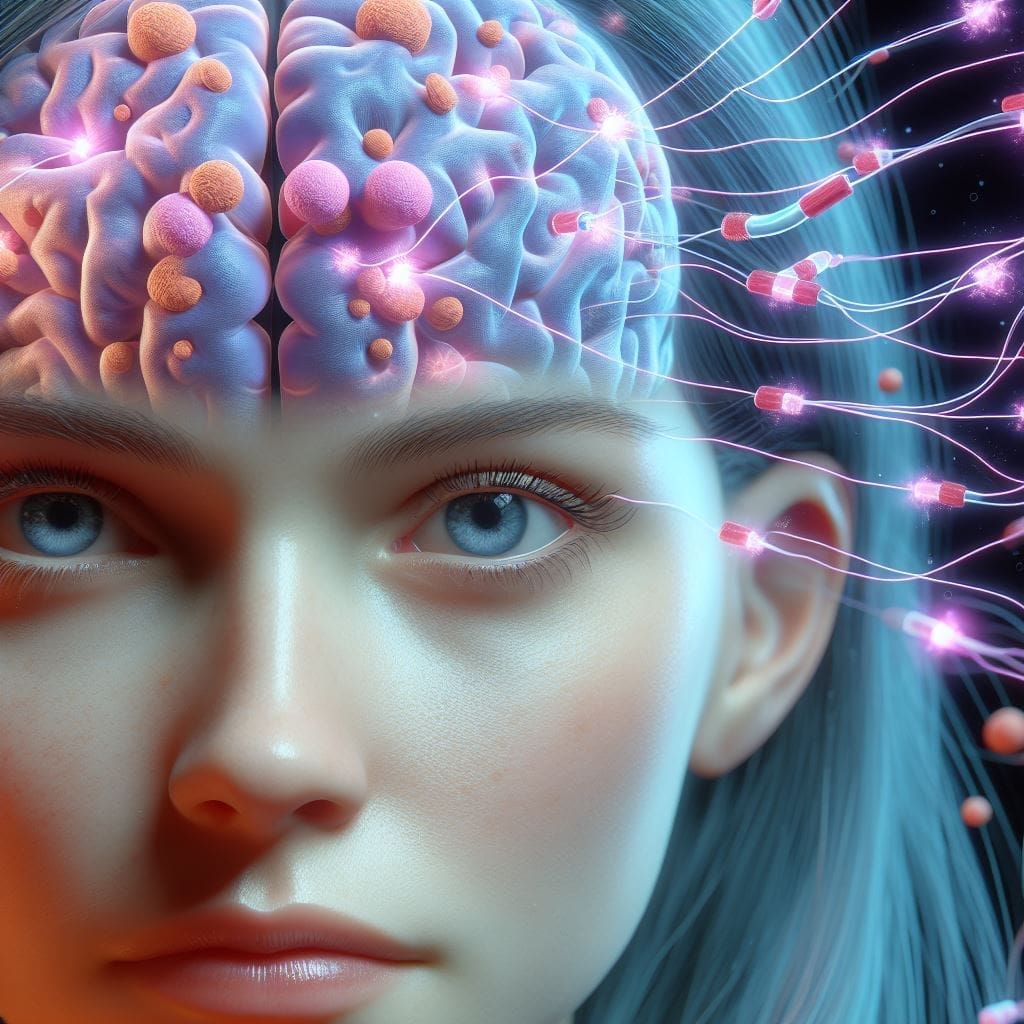
Mental health is a topic that has gained a great deal of attention in recent years, both globally and in India. While discussions about mental health were once relatively taboo in Indian society, there is now a growing recognition of the importance of mental well-being.
There are a number of factors that contribute to the increasing awareness of mental health in India. One key factor is the rise in mental health issues among the population. According to a 2019 report by the World Health Organisation, India is one of the most depressed countries in the world, with 6.5% of the population suffering from some form of mental illness. This figure is likely to be higher in reality, as mental health issues are often under-reported or misdiagnosed in India.
There are also cultural factors that contribute to the stigma surrounding mental health in India. Traditionally, mental illness has been seen as a sign of weakness or moral failing, rather than a legitimate medical condition. Those suffering from mental health issues are often ostracised or shunned by their communities, leading to feelings of isolation and shame.
Despite these challenges, there has been a growing movement to break the silence surrounding mental health in India. Organisations such as the Live Love Laugh Foundation, founded by actress Deepika Padukone, have been working to raise awareness and reduce stigma around mental health issues. There are also a growing number of mental health professionals and facilities in India, providing much-needed support and treatment for those in need.
It is important that we continue to prioritise mental health in India and work towards reducing the stigma surrounding it. By fostering an open and understanding attitude towards mental health, we can create a more supportive environment for those struggling with mental illness. It is also crucial that we invest in mental health resources and services, to ensure that everyone has access to the care they need.
In conclusion, mental health is a critical issue in India that requires immediate attention and action. By working together to raise awareness, reduce stigma, and provide support, we can help create a healthier and more inclusive society for all.
Share this:

You Might Also Enjoy Reading