
In a world where technological advancements and cultural shifts occur at a rapid pace, it’s crucial to understand the psychological underpinnings of the prevailing mindset in society. One such mindset that has gained significant traction in recent years is postmodernism. Postmodernism is an intellectual movement that challenges traditional notions of truth, grand narratives, and objective reality. It is a complex and multifaceted concept that has profound psychological implications.
At its core, postmodernism questions the idea of an objective reality accessible to everyone. Instead, it posits that reality is socially constructed and subjective, varying from one individual or community to another. This shift in perspective, from a singular truth to multiple perspectives, has transformative effects on the psyche of individuals living in a postmodern society.
One psychological consequence of postmodernism is the emphasis on individual experience and subjectivity. Postmodernism rejects the notion that there is a universally valid truth or a “correct” way of perceiving reality. Instead, it celebrates personal stories, experiences, and feelings as valid and equally valuable forms of knowledge. This emphasis on subjectivity can be liberating for individuals, as it empowers them to embrace their unique perspectives and reject authoritative narratives that may suppress their voices.
However, the celebration of subjectivity also opens the door to uncertainty and scepticism. Without a shared reality or objective truth as a reference point, individuals may be left questioning the validity of their own beliefs and stances. This can lead to a sense of existential angst and an ongoing search for personal meaning and identity. In a postmodern world, individuals may constantly navigate a sea of conflicting narratives, leaving them in a perpetual quest for a stable anchor from which to validate their own experiences.
Furthermore, postmodernism challenges the idea of progress and linear narratives, favouring fragmented and deconstructed accounts of reality. This fragmentation can lead to a sense of disorientation and loss of meaning, as individuals are confronted with a multitude of often contradictory perspectives. This can result in a fragmented sense of self, where individuals must constantly negotiate their identities in relation to the diverse narratives they encounter.
Additionally, postmodernism’s distrust of metanarratives and overarching systems of power has fuelled scepticism towards authority and institutions. This scepticism can be seen as a reaction to historical abuses of power and the desire for more inclusive and egalitarian social structures. However, it can also fuel cynicism and a general distrust in established sources of knowledge and expertise.
While postmodernism offers valuable insights into the construction of reality and the importance of diverse perspectives, it also presents challenges to the human psyche. The emphasis on subjectivity and the absence of widely accepted truths can lead to a sense of uncertainty and disorientation, requiring individuals to constantly navigate conflicting narratives and reconstruct their identities. Moreover, the scepticism towards authority and power structures can create scepticism and cynicism, potentially hindering progress and collective action.
Understanding the psychological implications of postmodernism is essential for navigating the complexities of our modern world. By recognising the impact of subjectivity, uncertainty, and fragmentation, we can strive to find common ground, embrace diverse perspectives, and construct inclusive narratives that promote individual growth, social cohesion, and collective progress. Ultimately, the psychological effects of postmodernism compel us to reflect on the nature of reality, the power of personal experience, and the importance of community in shaping our ever-evolving understanding of the world.
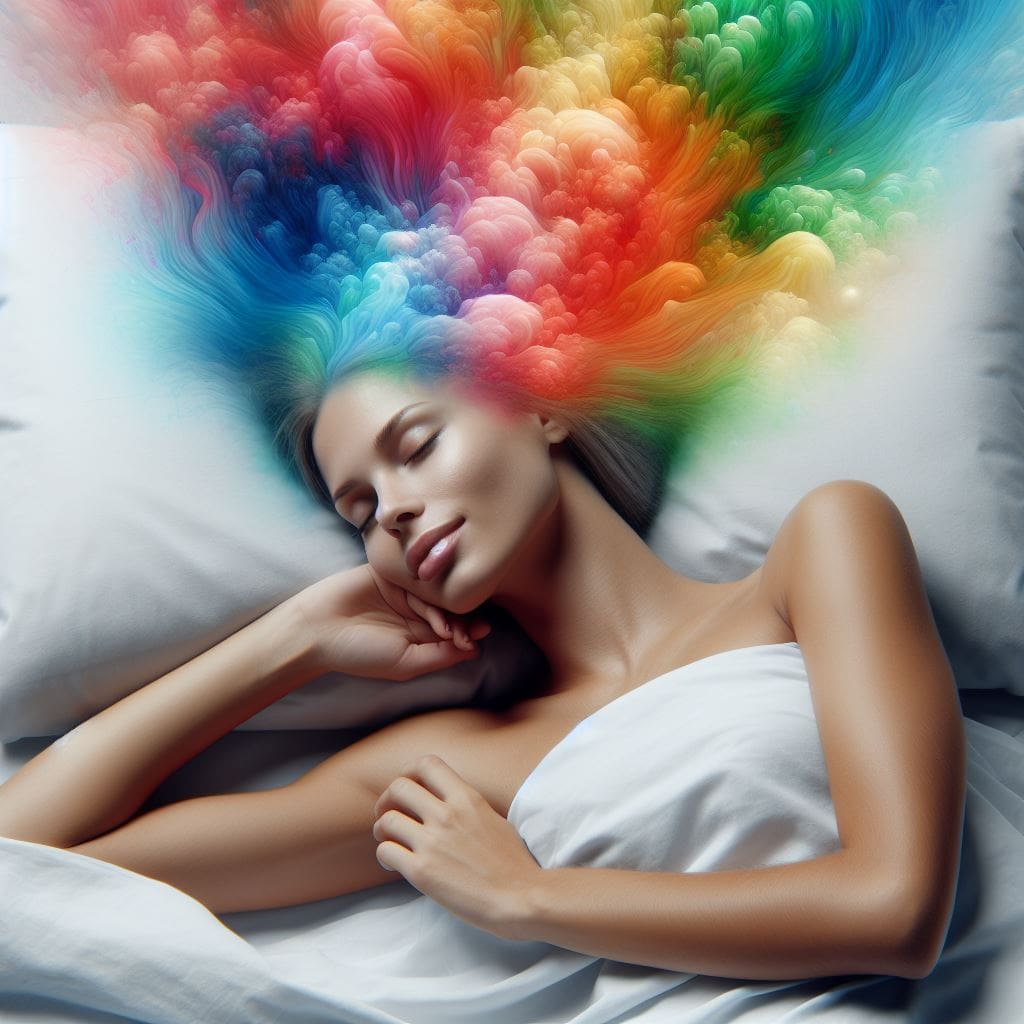
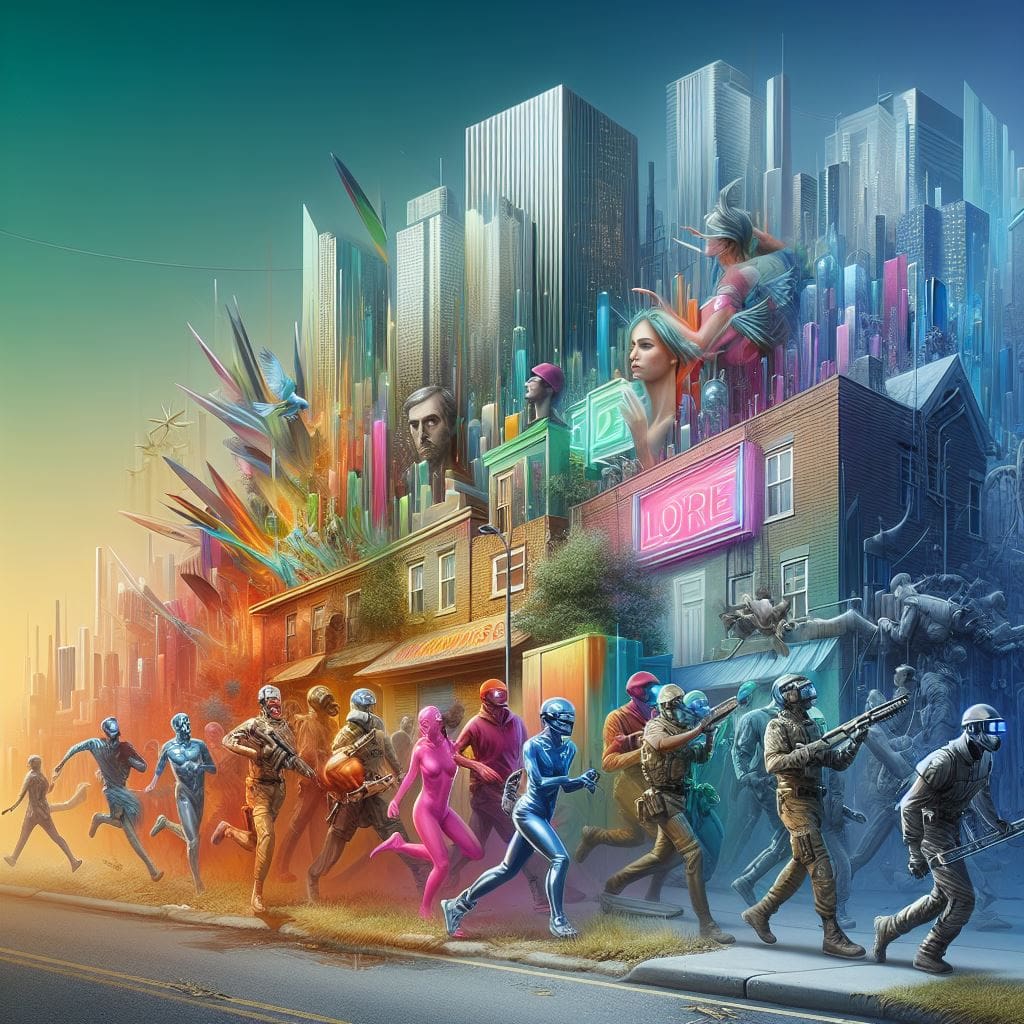
Finally, here are some AI generated pictures of postmodernism
Postmodern ART is interesting. I asked AI to generate images illustrating the concept of postmodernism, and showing postmodern realities. The images AI came up with are fascinating to analyse. The modernity of them also feel so familiar, as if postmodernism was more ingrained in our daily lives than previously thought. I hope you enjoy this small gallery.





Share this:

You Might Also Enjoy Reading