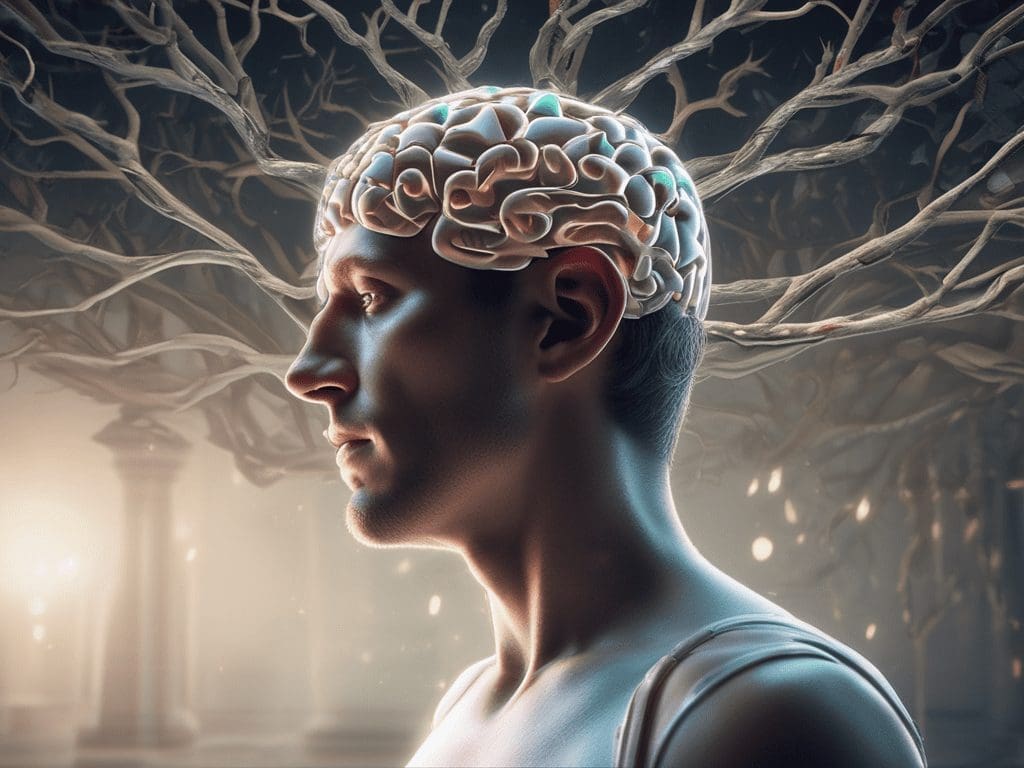

In a society where emotions are intertwined with our daily interactions and well-being, it is difficult to comprehend a condition that renders individuals unable to identify, understand, and express their own feelings. This perplexing phenomenon goes by the name of Alexithymia. Although widely unknown and perplexing, it is a condition that deserves attention and understanding. In this blog post, we delve into the depths of Alexithymia, exploring its causes, symptoms, and potential ways to cope.
What is Alexithymia?
Alexithymia, derived from Greek words ‘a’ (meaning absence) and ‘lexis’ (meaning words), describes a condition characterised by difficulties in identifying, describing, and processing emotions. Individuals with Alexithymia typically struggle to distinguish emotions within themselves and often find it challenging to empathise with others’ feelings. Regarded as a personality trait rather than a disorder, Alexithymia often presents alongside other mental health conditions such as depression and anxiety.
Signs and Symptoms
Spotting Alexithymia is often complex since it is a deeply inner experience. However, certain signs can indicate its presence. Some common symptoms include:
1. Difficulty identifying and labelling emotions: People with Alexithymia often have trouble pinpointing the emotions they are experiencing, leading to confusion and frustration.
2. Limited emotional expression: Expressing emotions can be demanding for individuals with Alexithymia. They may appear emotionally distant or even robotic to others.
3. Impaired imagination: Alexithymics might struggle with envisioning fictional scenarios or relating to fictional characters in literature or movies, as they typically rely on emotional cues.
4. Detachment from physical sensations: The connection between emotions and physical sensations may be weakened in those with Alexithymia. They may find it challenging to discern how their body responds to certain emotional states.
Causes of Alexithymia
While the exact causes remain unclear, researchers suggest a multifaceted combination of genetic, environmental, and neurological factors. Some potential contributors include:
1. Genetic predisposition: Studies indicate that Alexithymia runs in families, suggesting a heritable component.
2. Childhood experiences: Traumatic events, neglect, or emotional invalidation during childhood may play a role in the development of Alexithymia.
3. Neurological abnormalities: Certain brain regions, such as the insula and anterior cingulate cortex, play a significant role in emotional processing. Any disruptions in these areas may contribute to Alexithymia.
Coping Strategies
Living with Alexithymia can present emotional challenges for individuals. Here are a few strategies that might assist in coping with this condition:
1. therapy: Engaging in talk therapy (such as cognitive-behavioural therapy) can help individuals explore their emotions and develop techniques to better recognise and regulate them.
2. Mindfulness practices: Techniques like meditation and deep breathing can aid in grounding oneself and increasing awareness of bodily sensations.
3. Artistic expression: Engaging in creative outlets like painting, writing, or playing a musical instrument can provide an alternate means for emotional expression.
4. Communication and self-reflection: Honing communication skills and journalling can offer individuals a better understanding of their emotional experiences.
5. Support networks: Connecting with others who may understand Alexithymia or suffer from similar conditions through support groups, forums, or counselling can foster a sense of belonging and provide valuable insights.
Conclusion
While Alexithymia remains relatively unknown and often misunderstood, it is vital to acknowledge the challenges individuals with this condition face. By fostering empathy, awareness, and support, we can create an inclusive society that values the diversity of emotional experiences. Understanding Alexithymia is just the first step towards a more compassionate world, where each person can navigate their emotional landscape with greater ease and acceptance.
Share this:

You Might Also Enjoy Reading