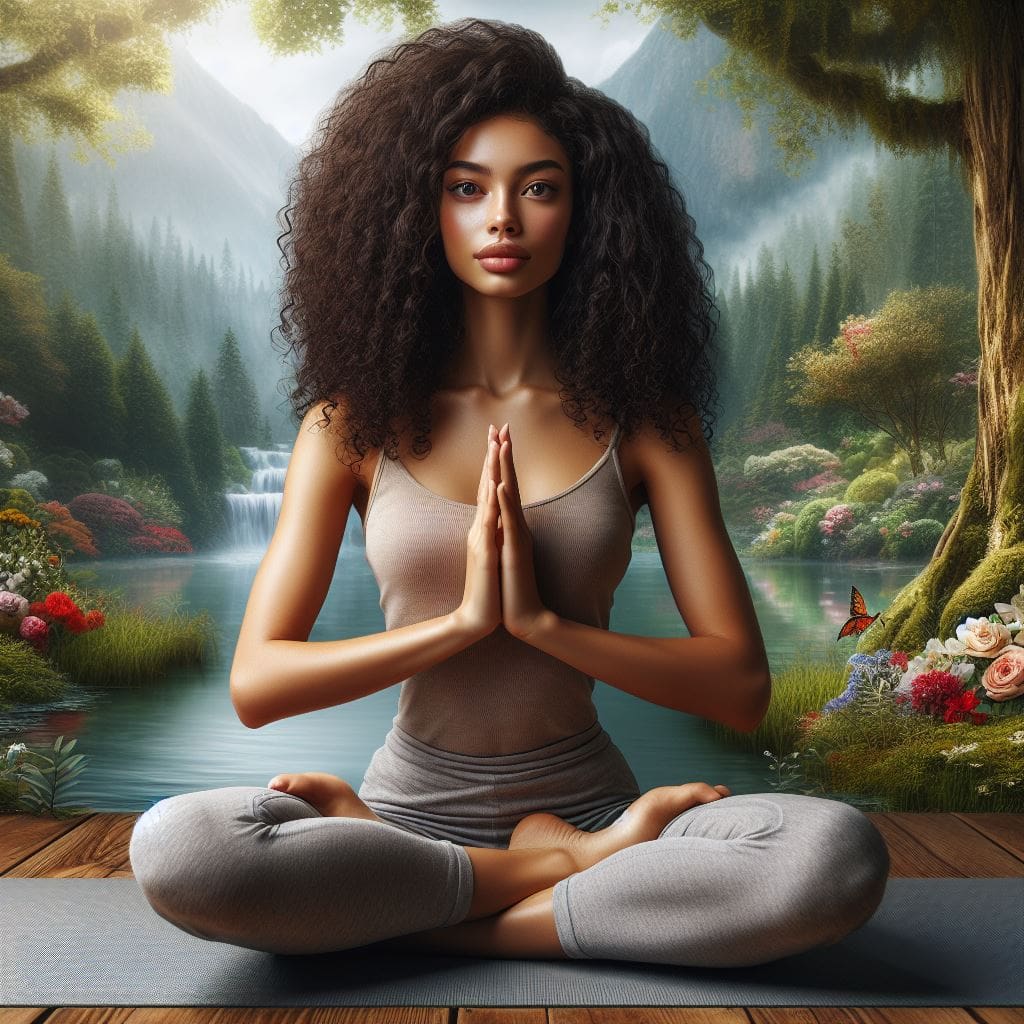

Meditation has become increasingly popular in recent years as people search for ways to find peace and improve their mental well-being. Although it may seem intimidating at first, meditation is accessible to everyone and can be practised anywhere, at any time. In this blog post, we will explore a step-by-step guide on how to do meditation.
1. Find a quiet and comfortable space: Start by choosing a serene environment that allows you to focus and get into a relaxed state. You can either sit on a cushion or use a chair, ensuring that your posture is erect, yet relaxed.
2. Set the intention: Before beginning your meditation practice, it’s essential to set an intention or purpose. This can be anything from wanting to become more mindful, managing stress, or simply finding inner peace. Having a clear intention will help you stay focused during your session.
3. Focus on your breathing: The breath is the anchor of your meditation practice. Close your eyes and bring your attention to your breath. Notice the inhales and exhales, the sensations, and the rhythm. Allow yourself to naturally breathe, without controlling or altering the breath. Acknowledge any thoughts or distractions that arise and gently let them go, returning your focus to the breath.
4. Start with guided meditation: If you’re just beginning your meditation journey, using a guided meditation app or following audio instructions can be highly useful. Many apps offer a variety of meditations, such as body scans, loving-kindness meditations, or mindfulness practices. These guided sessions can help you develop a foundation for your practice.
5. Gradually increase your practice time: Start with shorter meditation sessions, around 5-10 minutes, and gradually increase the time as you become more comfortable. Consistency is more important than duration, so aim for regular practice rather than long sessions once in a while.
6. Embrace mindfulness: Meditation goes beyond just sitting quietly; it is a practice of mindfulness that can be carried into every aspect of your life. Begin to bring awareness to your daily activities, such as eating, walking, or even brushing your teeth. By doing so, you will cultivate a sense of presence and enjoy life in the present moment.
7. Be patient and kind to yourself: Meditation is a journey that requires patience and self-compassion. It’s normal for the mind to wander during meditation, especially in the beginning. Whenever you notice your mind drifting, gently guide your attention back to your breath, without judgement or frustration. Remember, meditation is about observing your thoughts and emotions with acceptance and non-attachment.
8. Join a meditation group or take a class: If you find it challenging to meditate alone, consider joining a meditation group or taking a class. Being part of a community can provide support, encouragement, and valuable insights. Additionally, attending a class or workshop can deepen your knowledge and help you refine your practice.
Quick Summary and Instructions for Daily Practice
1. Find a quiet and comfortable space where you can sit or lie down without any distractions.
2. Close your eyes and take a few deep breaths to relax your body and mind.
3. Focus your attention on your breathing, observing the sensation of each inhale and exhale.
4. If your mind starts to wander, gently bring your focus back to your breath without judgement.
5. Release any thoughts or worries, allowing your mind to become calm and still.
6. As you continue to breathe, try to deepen your relaxation and let go of any tension in your body.
7. Stay in this state of alert relaxation for a few minutes or as long as you feel comfortable.
8. When you are ready to finish, slowly open your eyes and take a moment to reflect on your meditation experience.
In conclusion, meditation is a simple yet profound practice that can bring numerous benefits to your overall well-being. By following these steps and developing a consistent practice, you can cultivate mindfulness, reduce stress, and experience a greater sense of peace and clarity in your life. Remember to approach meditation with an open mind and heart, and enjoy the journey of self-discovery it offers.
Share this:

You Might Also Enjoy Reading