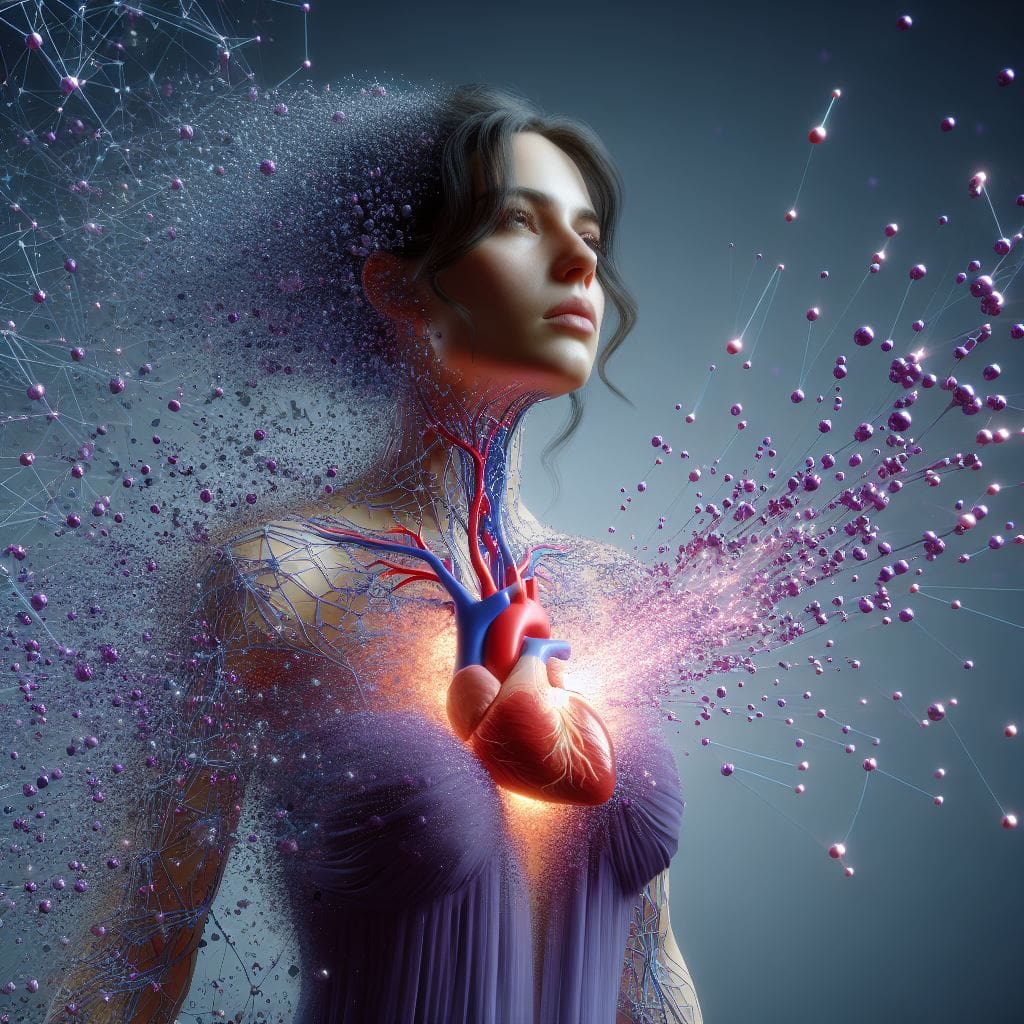

Empathy is an intricate aspect of the human experience that enables us to navigate and understand the emotions and experiences of others. It plays a pivotal role in fostering social connections, enhancing communication, and promoting prosocial behaviours. Though often thought of as an ethereal and intangible quality, recent scientific advancements have shed light on the underlying molecular dynamics that drive empathy. In this blog post, we explore the fascinating world of the molecular foundations of empathy and uncover the intricate interplay between our genes, hormones, and brain circuits.
1. Genetics and Empathy
Empathy, like many other complex psychological traits, has a genetic basis. Numerous studies have identified specific genes involved in various components of empathy, such as emotional recognition, cognitive empathy, and emotional regulation. Among the most well-studied genes associated with empathy are the oxytocin receptor gene (OXTR) and the serotonin transporter gene (5-HTT). These genes influence the production and function of certain receptors and neurochemicals involved in empathy, providing a biological foundation for individual differences in empathic abilities.
2. Empathy Hormones
Oxytocin and vasopressin, often referred to as the “love hormones,” are central to the experience of empathy. Oxytocin, in particular, has gained significant attention for its role in social bonding, trust, and emotional responsiveness. Research suggests that intranasal administration of oxytocin can enhance empathic accuracy and increase prosocial behaviour. Vasopressin, on the other hand, is implicated in aggression and territorial behaviour, highlighting its involvement in both empathic and non-empathic responses. Understanding the delicate balance and regulation of these hormones can help unravel the molecular dynamics underlying empathy.
3. Brain Circuits and Mirror Neurons
Functional magnetic resonance imaging (fMRI) studies have unveiled a network of brain regions responsible for empathy. Regions such as the anterior insula, anterior cingulate cortex, and amygdala are strongly activated when witnessing the emotions of others. One key discovery is the existence of mirror neurons, specialised cells that fire both when we observe someone else’s actions and when we perform similar actions ourselves. These “mirroring” processes contribute to our ability to understand and share the emotions of others, forming a crucial link between our actions and empathic experiences.
4. Epigenetics
While genetics lay the foundation, the expression of empathy-related genes can be modulated by environmental factors through a process called epigenetics. Stress, upbringing, and cultural influences can shape the regulation of empathy-related genes, ultimately determining the degree of empathy an individual displays. Understanding the epigenetic mechanisms involved in empathy can provide insights into how social experiences influence our empathic responses.
Conclusion
Empathy, as a complex and multidimensional phenomenon, is underpinned by intricate molecular dynamics involving genes, hormones, and brain circuits. While the scientific understanding of these dynamics is still emerging, these insights offer a glimpse into the shared humanity that connects us all. By unravelling the molecular intricacies of empathy, we can hope to further cultivate empathy for the betterment of individuals, societies, and our global community.
Share this:

You Might Also Enjoy Reading