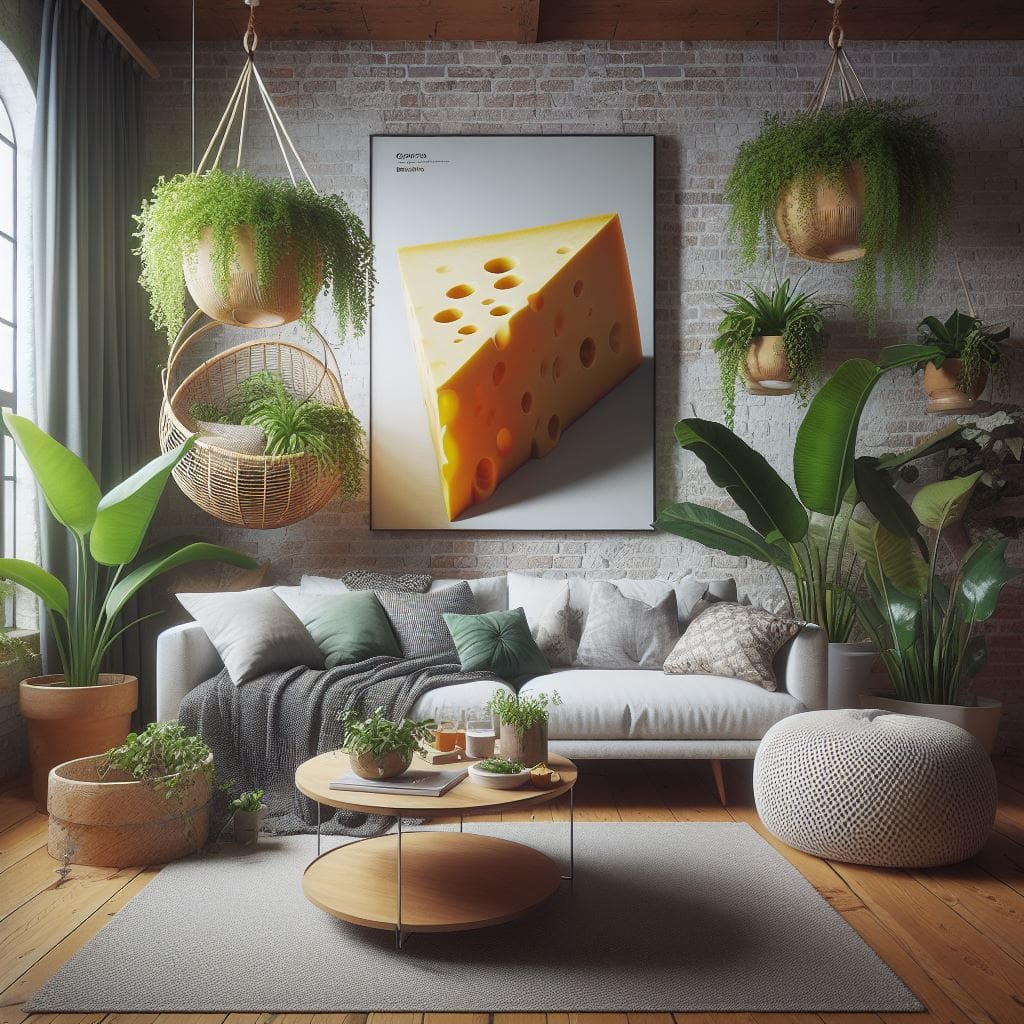
Have you ever wondered why certain spaces make you feel more comfortable than others? Why the layout of your room or the design of a building can have a profound impact on your mood? While it might seem like a mere matter of personal preference, the study of psychology and topology suggests otherwise. Our relationship with space goes beyond aesthetics, and it is deeply intertwined with our emotions, behaviour, and overall well-being.
Topology, a branch of mathematics concerned with spatial properties (or the study of shapes and spaces), has gained attention in psychology in recent years. Researchers have been exploring how the arrangement and connectivity of spaces impact our cognitive processes, emotions, and social interactions. By understanding the psychology of topology, we can gain insights into why certain environments are more conducive to productivity, creativity, relaxation, or socialisation.
One of the fundamental elements of topology is how space is divided into different areas and how these areas are connected. For example, open-space floor plans have become popular in offices for fostering collaboration and communication. The absence of physical barriers allows for easy interaction and informal conversations. On the other hand, compartmentalisation, such as cubicles or separate rooms, can enhance privacy and focus. The choice of dividing space impacts not only functionality but also influences our sense of belonging, control, and social connectivity within that environment.
Topology also plays a crucial role in how we navigate and perceive the world around us. The design of cities, parks, and streets affects our ability to move seamlessly and efficiently. A well-connected and accessible urban infrastructure can promote physical activity and community engagement. Conversely, poor planning, confusing layouts, or limited accessibility can result in frustration, isolation, and decreased mobility. The psychological impact of spatial organisation on our well-being cannot be overlooked.
Furthermore, the psychology of topology delves into our preferences regarding symmetry, curves, and straight lines. Research suggests that humans have an innate preference for certain shapes and patterns. Symmetry, for example, is often associated with beauty and aesthetic pleasure. The golden ratio, a mathematical proportion frequently seen in nature and art, is particularly appealing to our sense of harmony and balance. These preferences can help explain our attraction to certain architectural styles or design choices.
Our emotional responses and overall experience of a space are also influenced by the concepts of enclosure and openness. Enclosed spaces, such as narrow corridors or small rooms, can evoke feelings of confinement and claustrophobia. In contrast, open spaces with lots of natural light and expansive views often induce a sense of freedom, relaxation, and connectedness to the environment. The way in which a space is constructed and designed impacts our emotional state and can influence our mental health.
The psychology of topology has significant implications for various domains, including architecture, urban planning, interior design, and even virtual environments. By considering the psychological impact of spatial organisation, professionals can create spaces that optimise functionality and promote well-being. As individuals, understanding our relationship with space allows us to make intentional design choices in our personal environments, resulting in spaces that better support our needs and enhance our experiences.
In conclusion, the study of the psychology of topology delves into the fascinating intersection of mathematics and human behaviour. Our relationship with space is multifaceted and goes beyond mere personal preference. By understanding the psychological impact of spatial organisation, we can create environments that positively influence our emotions, behaviour, and overall well-being. So, the next time you find yourself feeling uplifted by a well-designed space, remember that there is more to it than meets the eye – it’s the psychology of topology at work.
Share this:

You Might Also Enjoy Reading