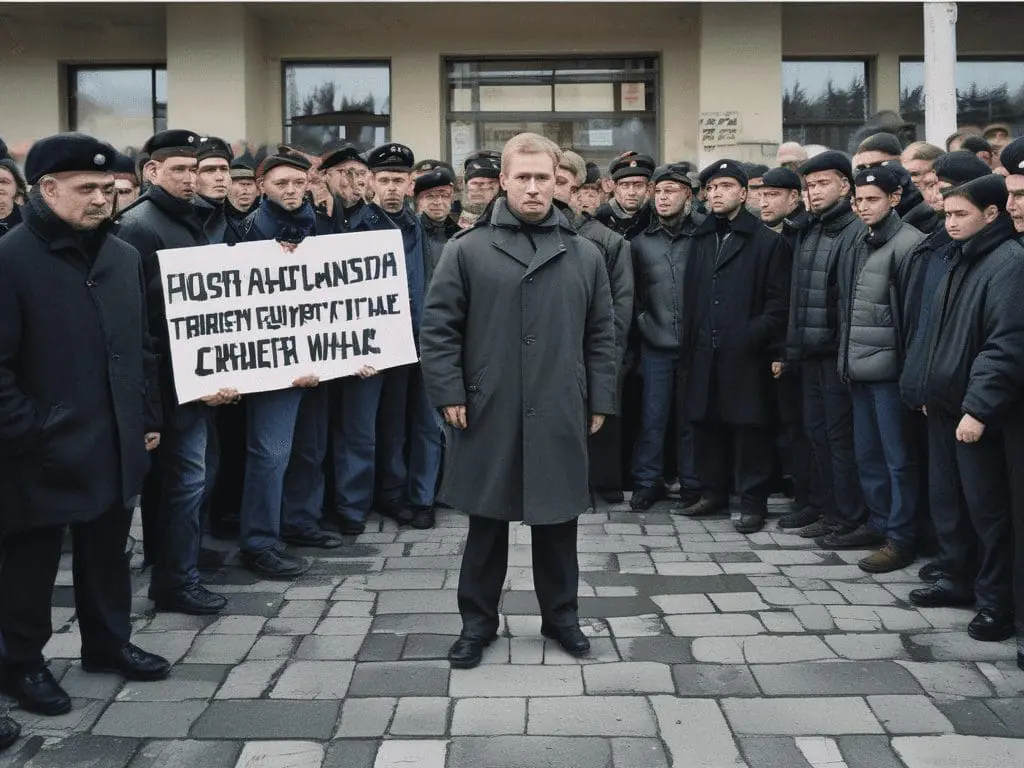

Our legal systems are built upon the foundations of justice, fairness, and due process. Yet, an alarming phenomenon continues to undermine these principles: extrajudicial actions. A term encompassing unlawful acts carried out by individuals or groups outside the legal framework, extrajudicial actions hold within them a complex interplay of psychological factors that shape both the perpetrators and the social fabric they are part of. In this blog post, we delve into the psychology behind extrajudicial actions, aiming to shed light on factors such as the motivations and cognitive processes that drive individuals to bypass established legal channels.
1. Group dynamics and identity
Extrajudicial actions often arise within specific social or ideological groups, where shared identities, beliefs, and grievances fuel collective solidarity. Group dynamics play a pivotal role in shaping the psychological make-up of those who engage in extrajudicial activities. Through mechanisms such as groupthink, where dissenting opinions are suppressed in favour of conformity, individuals may become inclined to condone or actively participate in extrajudicial actions. The sense of belonging and validation provided by the group reinforces willingness to go beyond legal boundaries.
2. Emotional responses and moral justifications
Emotions, particularly those associated with anger, fear, or a sense of injustice, can drive extrajudicial actions. Experiencing a perceived threat, victims or their sympathisers may resort to vigilantism or street justice as a means to seek retribution or protection. Such emotional responses can override rational decision-making processes, especially when fuelled by a belief in moral superiority or righteousness. Psychologists assert that when individuals perceive themselves as soldiers for a cause, they may develop a warped sense of morality that justifies extrajudicial actions as necessary or heroic.
3. Dehumanisation and cognitive biases
Dehumanisation is a psychological mechanism prevalent in cases of extrajudicial actions. Individuals may detach themselves from the humanity of their victims, often attributing negative stereotypes or denial of their rights. This cognitive bias allows perpetrators to justify their actions, as the victims become mere objects or symbols representing a larger perceived threat. Dehumanisation, coupled with cognitive biases such as confirmation bias or selective perception, reinforces the narrative constructed by the perpetrators, blinding them to alternative perspectives and dissenting opinions.
4. Authority and obedience
Extrajudicial actions are not confined to individuals acting based on personal motivations; they can also be carried out on behalf of or under the influence of higher authorities. Social psychology studies have illustrated the power of obedience to authority figures, even when their commands go against personal ethics or established laws. The Milgram experiment and the Stanford Prison Experiment are notable examples showcasing how individuals can be compelled to commit both minor and significant atrocities under the directives of perceived authority figures. In the context of extrajudicial actions, these dynamics highlight the role played by leadership and command structures in fostering or sanctioning illicit behaviour.
Conclusion
The world bears witness to a myriad of extrajudicial actions that disrupt the very fabric of society and call into question the principles we uphold. Understanding the psychology behind such actions is crucial in seeking effective preventive measures and redressing the damage caused. By recognising the influence of group dynamics, emotional responses, cognitive biases, and authority obedience, we can develop strategies to strengthen legal frameworks, promote empathy, and foster a greater sense of justice among individuals and communities. Only through a concerted effort to address the complex psychological underpinnings of extrajudicial actions can we hope to safeguard the principles of justice and fairness that form the backbone of our modern legal systems.
Share this:

You Might Also Enjoy Reading